
Damp Survey vs Home Health Diagnostics: Narrow Check or Whole-Home Picture
Damp survey vs Home Health Diagnostics.
 Reviewed by George Sora, Certified Passive House DesignerUpdated June 2026
Quick answer & key takeaways
5 min read- Bottom line: A damp survey investigates a specific moisture problem; Home Health Diagnostics investigates the whole building's performance, of which damp is one part.
- When Damp survey is enough: You have a single, contained damp problem
- When Home Health Diagnostics is the better choice: The home is also cold, draughty or costly
- When you need both: A damp issue sits within wider performance concerns
- Biggest misconception: “A damp survey covers everything wrong with the house.” — It focuses on moisture. Heat loss, airtightness and ventilation across the home need the wider diagnostic.
- Retrofit IQ’s approach: A damp problem is usually a clue to how the whole building performs.
Quick answer
A damp survey investigates a specific moisture problem; Home Health Diagnostics investigates the whole building's performance, of which damp is one part. If you have a single, contained damp issue, a focused diagnostic damp survey may be enough. If the home is also cold, draughty or expensive to heat — or if the damp is part of a wider performance problem — the whole-home diagnostic gives the complete picture, because damp, heat loss and ventilation are usually connected.
At a glance
| Attribute | Damp survey | Home Health Diagnostics |
|---|---|---|
| Scope | The damp problem | Whole-building performance |
| Covers heat loss | No | Yes |
| Covers airtightness | No | Yes |
| Covers ventilation | Partly | Yes |
| Diagnoses damp mechanism | Yes | Yes |
| Best for | A contained moisture issue | Connected comfort/energy/damp problems |
What is Damp survey?
A focused investigation of a moisture problem — identifying whether damp is condensation, penetrating or rising and recommending a remedy. Done well it is diagnostic and independent; done badly it is a product sales visit.
What is Home Health Diagnostics?
A whole-home building-performance investigation combining thermal imaging, airtightness testing, moisture and ventilation diagnostics and building physics, to explain comfort, energy and damp problems together and plan how to fix them.
What each method measures — and what it doesn’t
Damp survey
- The damp mechanism — condensation, penetrating or rising
- Moisture content at affected points
- Conditions and defects feeding the damp
- Whole-house heat loss or airtightness
- Energy performance and comfort issues beyond the damp
Home Health Diagnostics
- Heat loss and where it occurs
- Airtightness and air-leakage paths
- Ventilation adequacy and indoor humidity
- The damp mechanism in the context of the whole home
- Nothing within building performance — it is the broad investigation
The building science
Damp rarely exists in isolation. The same factors that cause condensation — cold surfaces, thermal bridges, air leakage and inadequate ventilation — also make a home uncomfortable and expensive to heat. So a moisture problem is frequently a symptom of the building's overall performance, and looking at the damp alone can miss the connections that explain it.
A focused damp survey is the right tool when the issue is genuinely contained: a specific patch, a clear leak, a single recurring spot. A competent, independent damp survey measures moisture, logs humidity and surface temperatures, analyses dewpoint and inspects the external fabric to name the mechanism and recommend a fix.
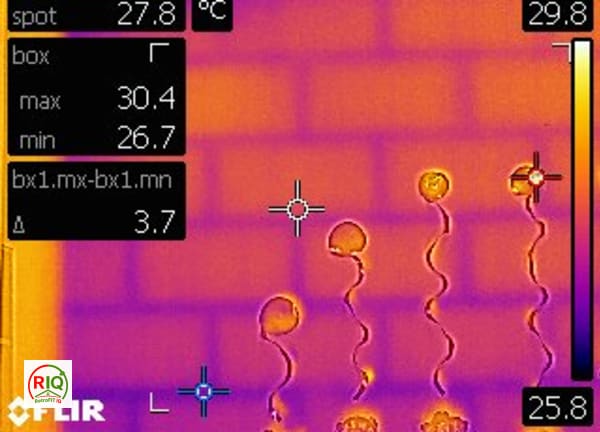
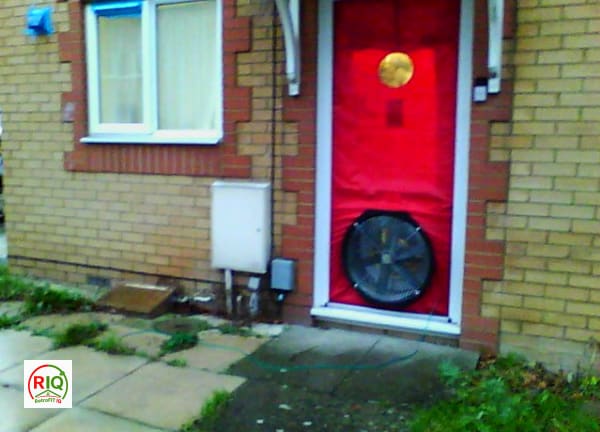
Home Health Diagnostics widens the lens. It adds thermal imaging across the whole home, a blower door test for airtightness, and a ventilation assessment, so the damp is understood alongside heat loss and air movement. Often this reveals that the cold corner with mould is the same thermal bridge driving up the heating bill, and that the condensation reflects an airtightness-and-ventilation imbalance — connections a damp-only survey would not surface.
The choice is therefore about scope. If you want to solve one moisture problem, the damp survey may suffice. If the home is cold, draughty or costly as well as damp — or you are planning a retrofit — the whole-home diagnostic is better value, because it fixes the system rather than a single symptom.
Key differences
- A damp survey is narrow and moisture-focused; Home Health Diagnostics is whole-home.
- Only the diagnostic quantifies heat loss and airtightness as well as damp.
- Damp is often a symptom of wider performance issues the diagnostic reveals.
- Choose by scope: one problem versus connected problems.
Common misconceptions
Myth: A damp survey covers everything wrong with the house.
It focuses on moisture. Heat loss, airtightness and ventilation across the home need the wider diagnostic.
Myth: If I only have damp, I never need the full diagnostic.
Often the damp is linked to cold surfaces and ventilation, which the whole-home view explains and fixes more reliably.
Myth: Home Health Diagnostics ignores damp.
It includes full damp diagnostics, set within the building's overall performance.
Real-world situations
A single damp patch after a known leak
A focused damp survey to confirm the mechanism and check it has dried; the wider diagnostic is not essential.
Cold, draughty home with mould in several rooms
Home Health Diagnostics — the damp is likely part of a connected heat-loss and ventilation picture.
Planning a retrofit and have damp concerns
The whole-home diagnostic, so damp, heat loss and ventilation are addressed together in the design.
Disputed 'rising damp' with high heating bills
The diagnostic — it will independently diagnose the damp and reveal the heat-loss issues behind the cold surfaces.
Which do you actually need?
When Damp survey is enough
- You have a single, contained damp problem
- The cause is likely local (a leak, one spot)
- You only need the moisture issue resolved
When Home Health Diagnostics is the better choice
- The home is also cold, draughty or costly
- Damp appears in several places
- You are planning a retrofit or want the full picture
When you need both
- A damp issue sits within wider performance concerns
- You want the moisture fixed and the home improved
What Retrofit IQ checks on site
A damp problem is usually a clue to how the whole building performs. Rather than treating one wet patch in isolation, we investigate the connected causes — cold surfaces, air leakage and ventilation — so the fix solves the underlying performance issue, not just the visible symptom.
- Full damp diagnostics: moisture, humidity, dewpoint and external inspection
- Thermal imaging across the whole home to map cold surfaces and bridges
- Blower door testing for airtightness and air-leakage paths
- Ventilation assessment and indoor-humidity review
- Connection of the damp findings to heat-loss and comfort issues
- A prioritised plan addressing the system, not just one symptom
What a Certified Passive House Designer recommends
When someone calls about damp, my first question is whether the home is also cold, draughty or expensive to heat — because if it is, the damp is almost certainly part of the same story. A narrow damp survey would fix the symptom and miss the cause; the whole-home diagnostic connects them.
If the issue really is contained, a focused independent damp survey is fine and proportionate. But where damp, comfort and energy problems coexist, investigating them together is both better engineering and better value — you address the system once rather than chasing symptoms one at a time.
— George Sora, Certified Passive House Designer, Founder, RetrofitIQ
Reviewed using current building physics principles and Passive House methodology.
Related services
Related comparisons
Related investigations
Compare another way
Closely related comparisons our clients read next.
Building Performance Diagnostic vs a Standard Survey
A standard survey tells you the condition of the building; a building performance diagnostic tells you how it actually performs — where it loses heat, leaks air, suffers damp and wastes energy — using instruments rather than visual inspection alone.
Read comparisonThermal Imaging vs a Damp Survey
Thermal imaging is one tool within a proper damp survey, not a replacement for it.
Read comparisonMoisture Meter vs Building Physics Assessment
A moisture meter tells you whether a spot is wet; a building physics assessment tells you why it is wet and how to stop it.
Read comparisonCondensation vs Penetrating Damp vs Rising Damp
Condensation comes from moist indoor air meeting cold surfaces; penetrating damp comes from water getting in through an external defect; rising damp comes from groundwater moving up through the wall by capillarity.
Read comparisonEvidence from Real Projects (14)
Real project and investigation images from our own fieldwork, matched to this page — not stock photography.

Sample Building Performance Investigation Report — Thermal Imaging
Thermal Bridging Visible Through Masonry Blockwork Wall

Thermal Bridge at Internal Corner Wall Junction

Airtightness Testing in a Stratford Victorian Terrace
Blower Door Airtightness Test Setup

Internal door head and reveal next to a framed picture on a warmer external wall
No related investigations yet.
Browse all investigationsFrequently asked questions
What is the difference between a damp survey and Home Health Diagnostics?+
A damp survey investigates a specific moisture problem; Home Health Diagnostics investigates whole-building performance — heat loss, airtightness, ventilation and damp together.
Do I need the full diagnostic if I only have damp?+
Not always. For a single contained problem a focused damp survey may be enough. If the home is also cold or draughty, the wider diagnostic is usually better.
Is damp usually a sign of bigger problems?+
Often, yes. Condensation is driven by cold surfaces, air leakage and ventilation — the same things that affect comfort and energy use.
Does Home Health Diagnostics diagnose damp properly?+
Yes — it includes full damp diagnostics, set within the building's overall performance, so the cause is understood in context.
Which is better value?+
For one isolated issue, the damp survey; for connected damp, comfort and energy problems, the whole-home diagnostic, because it fixes the system.
Will either tell me the damp mechanism?+
Yes — both identify whether the damp is condensation, penetrating or rising; the diagnostic also relates it to heat loss and ventilation.
I have mould in several rooms — which do I need?+
Home Health Diagnostics, since mould in multiple rooms usually reflects whole-home conditions rather than one local defect.
Is the diagnostic disruptive?+
Largely non-destructive — thermal imaging, a blower door and logging, with any minor invasive checks agreed in advance.
Can the diagnostic help plan a retrofit?+
Yes — it measures the starting point across the home, so retrofit works are targeted, moisture-safe and verifiable.
Are your damp surveys independent?+
Yes — evidence-led and not tied to selling a treatment, so the diagnosis is impartial.
How long does each take?+
A focused damp survey is typically a couple of hours; the whole-home diagnostic takes longer, often a half to full day, given its breadth.
Who carries out the work?+
A Certified Passive House Designer, so damp is understood within the building's full performance picture.
Need professional advice?
A comparison like this helps you understand the theory, but every property behaves differently. The only reliable way to establish the real cause in your home — rather than guessing — is professional building performance diagnostics. At RetrofitIQ we verify buildings using the appropriate combination of investigations:
- Thermal imaging
- Blower door testing
- Moisture investigation
- Building physics assessment
- Passive House methodology