
Building Performance Diagnostic vs a Standard Survey: What's the Difference
Standard survey (e.g. RICS HomeBuyer / condition report) vs Building performance diagnostic survey.
 Reviewed by George Sora, Certified Passive House DesignerUpdated May 2026
Quick answer & key takeaways
4 min read- Bottom line: A standard survey tells you the condition of the building; a building performance diagnostic tells you how it actually performs — where it loses heat, leaks air, suffers damp and wastes energy — using instruments rather than visual inspection alone.
- When Standard survey (e.g. RICS HomeBuyer / condition report) is enough: Buying or assessing the condition and disrepair of a property
- When Building performance diagnostic survey is the better choice: Understanding comfort, energy or damp problems and their causes
- When you need both: A condition survey for risk, plus diagnostics to explain and fix performance
- Biggest misconception: “A HomeBuyer survey will tell me why the house is cold.” — It reports condition, not performance. Heat loss and air leakage need instrumented diagnostics.
- Retrofit IQ’s approach: We measure how a building actually performs rather than only recording what can be seen — because a condition survey flags defects, but only instrumented diagnostics explain why a home is cold, damp or expensive to heat, and what will fix it.
Quick answer
A standard survey tells you the condition of the building; a building performance diagnostic tells you how it actually performs — where it loses heat, leaks air, suffers damp and wastes energy — using instruments rather than visual inspection alone. They answer different questions, and for comfort, energy and damp problems you need the diagnostic.
At a glance
| Attribute | Standard survey (e.g. RICS HomeBuyer / condition report) | Building performance diagnostic survey |
|---|---|---|
| Main question | What condition is it in? | How does it perform? |
| Method | Visual inspection | Instrumented measurement + analysis |
| Covers heat loss? | No | Yes |
| Covers airtightness? | No | Yes (blower door) |
| Diagnoses damp cause? | Flags it | Identifies the mechanism |
| Output | Condition report | Performance findings + remediation plan |
| Best for | Buying / condition risk | Comfort, energy, damp, retrofit planning |
What is Standard survey (e.g. RICS HomeBuyer / condition report)?
A visual condition survey that records the state of the building and flags defects for a buyer or owner. It is valuable for assessing condition and risk, but it is not designed to measure energy performance, airtightness, heat loss or the causes of damp.
What is Building performance diagnostic survey?
An instrumented investigation that measures how a building actually performs — thermal imaging, airtightness/blower door testing, moisture and ventilation diagnostics — and explains the causes of comfort, damp and energy problems, with a plan to fix them.
What each method measures — and what it doesn’t
Standard survey (e.g. RICS HomeBuyer / condition report)
- The visible condition of the building and obvious defects
- Risk and disrepair for a buyer or owner
- Energy performance, airtightness, heat loss or damp causes
- Concealed thermal and moisture behaviour
Building performance diagnostic survey
- How the building actually performs, by instrument
- Thermal imaging, airtightness, moisture and ventilation diagnostics explaining causes
- A purely cosmetic condition assessment, though it informs one
The building science
A condition survey is essentially a trained visual assessment: it records what can be seen and inferred about the state of the fabric. That is exactly what a buyer needs to understand risk, but the eye cannot see heat loss, air leakage or the dewpoint conditions that drive condensation.
A building performance diagnostic adds instruments and building physics to the picture. Thermal imaging reveals where heat and insulation problems are; a blower door quantifies air leakage; moisture and humidity logging identify the mechanism behind damp; and the findings are interpreted against how the building should perform.
The two are complementary rather than competing. A condition survey answers 'is it sound and what needs repair?'; a diagnostic answers 'why is it cold, damp or expensive to heat, and what will actually fix it?' — which is the question behind most retrofit and comfort projects.
Key differences
- Standard survey = condition; diagnostic = performance.
- One inspects visually; the other measures with instruments.
- Only the diagnostic quantifies heat loss and airtightness and identifies damp mechanisms.
- The diagnostic produces a remediation plan, not just a defect list.
Common misconceptions
Myth: A HomeBuyer survey will tell me why the house is cold.
It reports condition, not performance. Heat loss and air leakage need instrumented diagnostics.
Myth: An EPC is a performance survey.
An EPC is a simplified rating; it does not investigate the specific causes of your comfort or damp problems.
Myth: Diagnostics are only for Passive House projects.
Any home with cold rooms, high bills or damp benefits from understanding how it actually performs.
Real-world situations
Buying a house and assessing risk
A standard condition survey; add a diagnostic if you plan to retrofit or are concerned about damp and performance.
Your home is cold, draughty or has high bills
A building performance diagnostic to find the causes and prioritise the fixes.
Planning a retrofit and want it to succeed
A diagnostic first — measure the starting point so works are targeted and verifiable.
Which do you actually need?
When Standard survey (e.g. RICS HomeBuyer / condition report) is enough
- Buying or assessing the condition and disrepair of a property
- A lender or sale requires a condition report
When Building performance diagnostic survey is the better choice
- Understanding comfort, energy or damp problems and their causes
- Planning a retrofit or heat pump that must perform
When you need both
- A condition survey for risk, plus diagnostics to explain and fix performance
What Retrofit IQ checks on site
We measure how a building actually performs rather than only recording what can be seen — because a condition survey flags defects, but only instrumented diagnostics explain why a home is cold, damp or expensive to heat, and what will fix it.
- Thermal imaging, blower door and moisture diagnostics
- Building physics to explain comfort, damp and energy causes
- Heat-loss assessment to guide upgrades
- Condensation-risk modelling for proposed measures
- Evidence-led recommendations rather than assumptions
What a Certified Passive House Designer recommends
I see condition surveys and performance diagnostics as different tools for different questions, and the confusion between them costs people money. If you want to know whether a house is structurally sound, get a condition survey. If you want to know why it is cold, damp or expensive — and what will actually fix it — you need measurement.
A diagnostic carried out by a Certified Passive House Designer connects the instruments to the building physics: not just 'here is a cold spot', but why it is cold, what it is costing you, and the most cost-effective way to put it right.
— George Sora, Certified Passive House Designer, Founder, RetrofitIQ
Reviewed using current building physics principles and Passive House methodology.
Related services
Related comparisons
Related investigations
From the Academy
Compare another way
Closely related comparisons our clients read next.
Thermal Imaging vs Blower Door Testing
They answer different questions.
Read comparisonCondensation vs Penetrating Damp vs Rising Damp
Condensation comes from moist indoor air meeting cold surfaces; penetrating damp comes from water getting in through an external defect; rising damp comes from groundwater moving up through the wall by capillarity.
Read comparisonPHPP vs SAP / RdSAP Energy Modelling
PHPP is a design tool that predicts real energy performance accurately; SAP and RdSAP are compliance and EPC tools, simplified for consistency rather than precision.
Read comparisonInvestigation-led Retrofit vs Build First, Diagnose Later
Investigation-led retrofit measures and diagnoses the cause before any work is specified; 'build first, diagnose later' recommends work from visible symptoms and fixes problems afterwards.
Read comparisonEvidence from Real Projects (13)
Real project and investigation images from our own fieldwork, matched to this page — not stock photography.

Sample Building Performance Investigation Report — Thermal Imaging
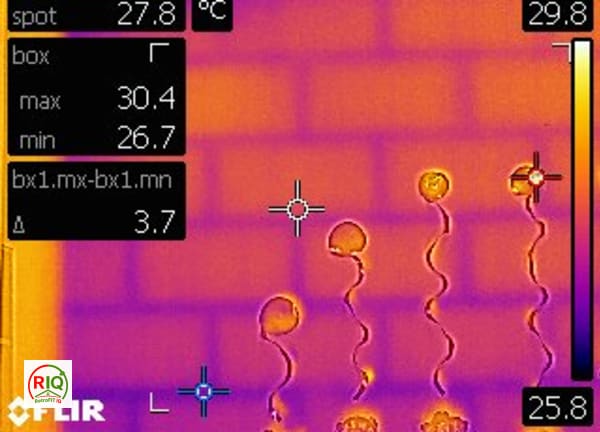
Thermal Bridging Visible Through Masonry Blockwork Wall

Thermal Bridge at Internal Corner Wall Junction

Airtightness Testing in a Stratford Victorian Terrace

Thermal Bridge at Wall-Ceiling Junction Near Window
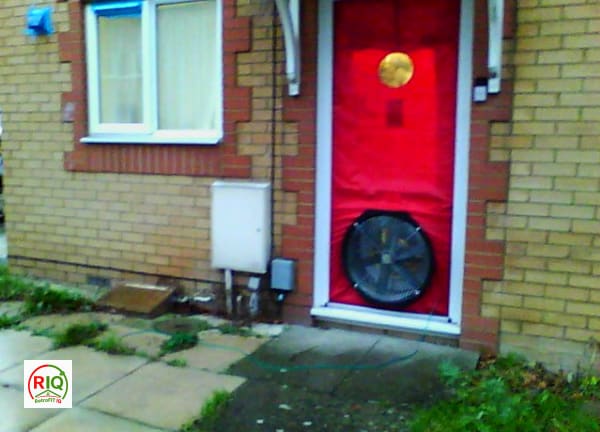
Blower Door Airtightness Test Setup
No related investigations yet.
Browse all investigationsFrequently asked questions
Is a building performance diagnostic the same as a HomeBuyer survey?+
No. A HomeBuyer survey assesses condition visually; a diagnostic measures performance — heat loss, airtightness, damp causes — with instruments.
Do I need both?+
When buying, a condition survey is sensible; add a diagnostic if you plan to retrofit or have comfort/damp concerns.
Will a diagnostic tell me why my house is cold?+
Yes — that is its purpose: to locate and quantify heat loss and air leakage and explain the causes.
Is an EPC enough?+
An EPC is a simplified rating, not an investigation of your specific problems. A diagnostic is far more detailed.
What instruments do you use?+
Thermal imaging, a calibrated blower door, moisture and humidity logging, and supporting tools, interpreted with building physics.
Do I get a plan or just findings?+
You get findings and a prioritised remediation plan, so you know what to fix and in what order.
Is it disruptive?+
Largely non-destructive — thermal imaging and a blower door leave no marks; any invasive checks are minor and agreed in advance.
Who carries out the diagnostic?+
A Certified Passive House Designer, so the measurements are interpreted against how the building should genuinely perform.
Need professional advice?
A comparison like this helps you understand the theory, but every property behaves differently. The only reliable way to establish the real cause in your home — rather than guessing — is professional building performance diagnostics. At RetrofitIQ we verify buildings using the appropriate combination of investigations:
- Thermal imaging
- Blower door testing
- Moisture investigation
- Building physics assessment
- Passive House methodology