
Why is condensation worse in winter?
Condensation gets worse in winter for two reasons working together: surfaces are much colder, and homes are closed up so indoor humidity rises. Both push the air at cold surfaces past its dew point.
 Reviewed by George Sora, Certified Passive House DesignerUpdated June 2026
Quick answer & key takeaways
5 min read- Winter condensation worsens because surfaces are colder and homes are sealed up and more humid.
- Colder outdoor temperatures drop wall, window and corner surfaces well below the dew point.
- Closed windows and intermittent ventilation let moisture from cooking, washing and breathing build up.
- It's a seasonal symptom of a year-round moisture-and-surface-temperature balance.
- Biggest misconception: it's just winter weather to live with. It's a fixable balance, not a fact of life.
- Retrofit IQ's approach: warm cold surfaces and provide controlled ventilation so the balance holds in winter too.
What this usually means
Condensation forms when humid air meets a surface below its dew point. In winter, both halves of that equation move in the wrong direction: low outdoor temperatures cool internal surfaces — especially glass, uninsulated walls and corners — while shorter days, closed windows and indoor drying push humidity up. The result is the seasonal surge in window streaming, damp corners and mould that so many homes see from autumn onwards.
It is not simply 'winter weather'. It is the same year-round balance of moisture production, ventilation and surface temperature, tipped over the edge by the cold. Warm the surfaces and ventilate properly, and a home can stay condensation-free through winter.
Common causes
Colder surfaces
Low outdoor temperatures drive glass, uninsulated walls and corners well below the dew point, giving moisture somewhere to condense.
Closed-up homes
Windows stay shut and ventilation drops in winter, so moisture accumulates instead of dispersing.
Higher indoor moisture
More indoor drying, cooking and time spent inside all raise the moisture load in the colder months.
Uninsulated fabric and thermal bridges
Poorly insulated walls and cold junctions reach the dew point sooner, so condensation starts there first.
Intermittent heating
Letting rooms cool right down between heating periods keeps surfaces cold and prone to condensation.
Signs and symptoms
Window streaming from autumn to spring
Condensation and damp appear with the cold months and ease in summer.
Cold walls and single glazing
The affected rooms have the coldest surfaces, which cross the dew point first in winter.
Worse in closed-up rooms
Rooms that are shut and less ventilated in winter accumulate the most moisture.
Mould returning each winter
The same cold spots — corners, reveals, external walls — grow mould seasonally.
What most people check first
- Whether condensation and mould appear mainly from autumn to spring.
- Ventilation habits in winter — are windows and vents used?
- Indoor drying and unvented cooking.
- Cold, uninsulated walls and single glazing.
What most people miss
- That winter condensation is a fixable balance, not unavoidable weather.
- That warming surfaces (insulation, better glazing) is as important as ventilating.
- That sealing a home for winter warmth without ventilation worsens condensation.
- Thermal bridges that become the first cold spots to condense.
The building physics
Two physical quantities set the risk: the dew point of the indoor air (which rises with humidity) and the temperature of the coldest surfaces (which falls with the outdoor temperature). Condensation occurs wherever a surface sits below the dew point. In winter the dew point climbs as homes hold more moisture, and surface temperatures drop as it gets colder outside — so the gap closes from both sides and condensation becomes widespread.
Uninsulated walls and thermal bridges amplify this: they reach the lowest surface temperatures, so they cross the dew point first and condense most. That's why corners, reveals and the coldest external walls show winter damp and mould before anywhere else.
The lasting fix is to act on both quantities all year: reduce and remove moisture through controlled ventilation, and raise cold surface temperatures through insulation and better glazing. Then even a cold winter doesn't bring the surfaces below the (now lower) dew point.
How to fix it — the right way
Winter condensation is a year-round balance tipped over by the cold, so the fix warms surfaces and ventilates all year.
- 01
Warm the coldest surfaces
Insulation and better-insulated glazing raise surface temperatures so they stay above the dew point even in cold weather.
- 02
Provide controlled ventilation through winter
Background or mechanical ventilation removes moisture during the closed-up months.
- 03
Reduce winter moisture sources
Vent cooking and showering, and avoid drying laundry indoors without ventilation.
- 04
Treat thermal bridges
Detail the corners and reveals that condense first, so the cold spots are eliminated.
- 05
Avoid letting rooms cool right down
A steadier temperature keeps surfaces above the dew point between heating periods.
How to prevent it coming back
- Keep background ventilation running through winter.
- Maintain a steadier indoor temperature.
- Avoid drying laundry indoors without ventilation.
- Insulate cold walls and upgrade single glazing.
How Retrofit IQ investigates this
We diagnose winter condensation as a year-round balance pushed over by the cold, and we measure both moisture and surface temperatures to fix it durably.
Do not spend money fixing symptoms before you understand the cause — investigate first, then build with confidence.
Do I need a professional investigation?
If condensation, damp or mould return every winter, logging humidity and mapping the coldest surfaces will establish the dew point the surfaces must stay above — so insulation, glazing and ventilation can be specified to keep the balance through the cold months.
It is worth investigating before sealing the home for winter warmth, as airtightness without ventilation makes winter condensation worse.
Where to go next
Relevant services
Related comparisons
From the Academy
Evidence from Real Projects (12)
Real project and investigation images from our own fieldwork, matched to this page — not stock photography.
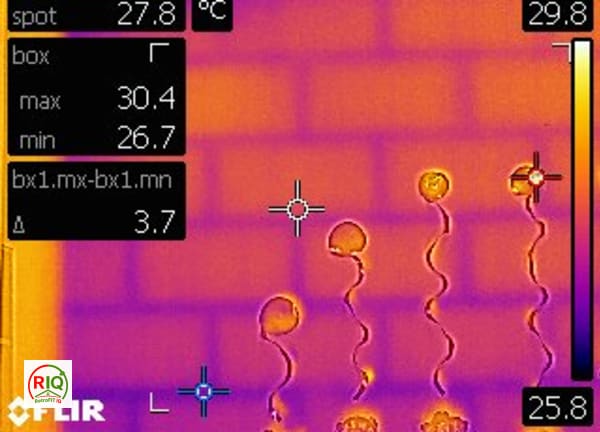
Thermal Bridging Visible Through Masonry Blockwork Wall

Sample Building Performance Investigation Report — Thermal Imaging

Thermal Bridge at Internal Corner Wall Junction

Thermal Bridge at Wall-Ceiling Junction Near Window

Airtightness Testing in a Stratford Victorian Terrace

Bathroom
No related investigations yet.
Browse all investigationsFrequently asked questions
Why do I only get condensation in winter?+
Because winter cools your surfaces below the dew point while closed-up homes hold more moisture — both push the air past saturation at cold surfaces.
Is winter condensation just something to live with?+
No. It's a fixable balance of moisture and surface temperature; warming surfaces and ventilating properly stops it.
Why are corners and window reveals worst?+
They're thermal bridges that reach the lowest surface temperatures, so they cross the dew point first and condense most.
Should I open windows more in winter?+
Some ventilation helps, but controlled, continuous ventilation is more reliable and doesn't waste heat. Warming surfaces matters too.
Will insulation reduce winter condensation?+
Yes — insulation raises surface temperatures so they stay above the dew point, which is half of the solution alongside ventilation.
Does heating more stop winter condensation?+
Not on its own. Warmer air holds more moisture, which can condense on cold surfaces. Ventilation must accompany heating.
How do you fix seasonal condensation?+
We measure humidity and surface temperatures, then warm cold surfaces and provide controlled ventilation so the balance holds even in winter.
Stop guessing — find the real cause
Do not spend money fixing symptoms before you understand the cause. Every home behaves differently, and the only reliable way to know what is happening in yours is professional building performance diagnostics. At RetrofitIQ we verify buildings using the right combination of investigations:
- Thermal imaging
- Blower door testing
- Moisture & dew point readings
- Ventilation review
- Building physics assessment
- Passive House methodology