
Why is my hallway and stairs so cold?
Hallways and stairs are commonly the coldest part of a house because they sit at the heart of its air movement: the front door is a major source of draughts and a cold surface, and the stairwell acts as a chimney, with the stack effect drawing cold air in low and warm air up and out through the upper floors. Add the fact that halls usually have little or no heating, and you have a space that is both draughty and under-heated, channelling cold air through the whole home.
 Reviewed by George Sora, Certified Passive House DesignerUpdated June 2026
Quick answer & key takeaways
8 min read- The front door is a major draught source and a large cold surface in the hall.
- The stairwell drives the stack effect, drawing cold air in low and warm air out high.
- Hallways usually have little or no dedicated heating.
- Sealing the door, reducing the stack effect and providing some heat is the fix.
- Biggest misconception: the hall is cold because it is unused. It is cold because it leaks and stacks.
- Retrofit IQ's approach: seal the front door and leaks, address the stack effect, and heat sensibly.
What this usually means
The hallway is where the house meets the outside, via the front door, and where its floors connect vertically, via the stairs — and both make it cold. The front door is typically the least airtight and least insulated opening in the house: it is opened and closed often, frequently has gaps around it and a letterbox, and is a large, often poorly insulated surface that feels cold and lets heat out. So the hall suffers draughts and a cold surface right at its centre, chilling the space and anyone passing through it.
The staircase then turns the hall into the engine of the home's air movement. Warm air rises, so it collects at the top of the stairwell and escapes through leaks in the upper floors and roof; this draws replacement cold air in lower down, especially through and around the front door, in a continuous current known as the stack effect. The taller the house and the leakier the top, the stronger this draught, so the hall and stairs feel persistently cold and breezy as cold air is pulled in and routed upward through them.
Hallways also tend to have little heating — often no radiator, or a small one — because they are circulation rather than living space, so there is little to offset the draughts and cold surfaces. The result is a cold, draughty core to the house that also chills adjoining rooms as air moves through. The fix tackles all three: draught-proof and, where worthwhile, insulate the front door and seal leaks around it; reduce the stack effect by sealing the air-leakage paths at the top of the house; and provide modest, sensible heating to the hall so it is not a cold reservoir feeding the rest of the home.
Common causes
Draughty, cold front door
Gaps around the door and letterbox leak air, and the door is a large cold surface.
Stack effect through the stairwell
Warm air rises and escapes high, drawing cold air in low through the hall and door.
Little or no heating
Hallways often have no radiator or a small one, so nothing offsets the draughts.
Leakage at the top of the house
Gaps in the upper floors and loft hatch drive the stack effect that chills the hall.
Cold, large surfaces
Stairwells have large wall areas and the cold front door, lowering felt comfort.
Signs and symptoms
Cold draught at the front door
Air felt around the door and letterbox is a major source of the hall's chill.
Cold air moving up the stairs
A draught rising through the stairwell signals the stack effect drawing air through the hall.
Hall colder than the rooms
The hall being colder than heated rooms reflects its draughts and lack of heating.
Cold landing and upstairs draughts
Cold air reaching the landing shows air being pulled up through the stairwell.
Adjoining rooms chilled by the hall
Rooms off a cold hall losing warmth indicate air moving through the space.
What most people check first
- Whether the front door and letterbox leak air and feel cold.
- Whether cold air is drawn up the stairwell by the stack effect.
- Whether the hall has any meaningful heating.
- Whether the top of the house leaks, driving the stack effect.
What most people miss
- That the front door is a major draught source and cold surface.
- That the stairwell drives the stack effect that chills the whole hall.
- That sealing the top of the house reduces the draught pulled in low down.
- That the hall usually needs some heating as well as sealing.
The building physics
The stack effect arises because warm indoor air is less dense than cold outdoor air, so it rises and creates a pressure difference across the height of the building: positive at the top, where air is pushed out through leaks, and negative at the bottom, where air is drawn in. A staircase provides an open vertical path that maximises this effect, so the hall and stairwell become the main route by which cold air enters low — through and around the front door — and warm air leaves high, through upper-floor and loft leakage. The taller and leakier the house, the stronger the resulting draught.
The front door concentrates the low-level air entry and adds a conductive cold surface. As the least airtight and often least insulated opening, with perimeter gaps and a letterbox, it offers the path of least resistance for the make-up air the stack effect demands, so draughts focus there; and as a large, cold surface it lowers the mean radiant temperature of the hall, making it feel cold beyond the air temperature. Sealing and insulating the door therefore reduces both the draught and the cold-surface discomfort at the hall's centre.
Because the stack effect is driven by leakage at the top of the house, the most effective way to reduce the cold air pulled in at the bottom is often to seal the high-level leaks — the loft hatch, upper-floor penetrations and roof junctions — which lowers the pressure difference and the whole circulating draught. Combined with draught-proofing the front door, this calms the air movement through the hall and stairs; adding modest heating then offsets the residual cold surfaces. Assessing the leakage distribution with a blower door test shows where the high- and low-level leaks are, so the hall can be made comfortable rather than remaining the draughty core of the home.
How to warm a cold hallway and stairs
Tackle the three causes together: seal and insulate the front door, reduce the stack effect by sealing the top of the house, and provide sensible heating to the hall.
- 01
Draught-proof the front door
Seal the gaps around the door and letterbox and, where worthwhile, improve its insulation.
- 02
Seal the top of the house
Seal the loft hatch, upper-floor penetrations and roof junctions to reduce the stack effect.
- 03
Calm the stairwell draught
Reduce the vertical air path's leakage so less cold air is drawn in low down.
- 04
Provide modest heating
Add sensible heating to the hall so it is not a cold reservoir feeding the house.
- 05
Warm large cold surfaces
Insulate any external hall walls and address the cold door surface for comfort.
- 06
Verify the draught has calmed
Confirm the hall and stairs are warmer and the through-draught reduced after the work.
How to prevent it coming back
- Keep the front door draught-proofed and reasonably insulated.
- Seal high-level leakage to limit the stack effect.
- Provide some heating to the hall, not none.
- Insulate external hall walls and address cold surfaces.
How Retrofit IQ investigates this
We assess the front-door leakage and the stack effect through the stairwell, then seal and heat the hall sensibly.
Do not spend money fixing symptoms before you understand the cause — investigate first, then build with confidence.
Do I need a professional investigation?
A persistently cold, draughty hallway and stairs is worth investigating as a stack-effect and air-leakage problem rather than simply an unheated space. A blower door test shows where the high- and low-level leaks are, so sealing the front door and the top of the house can calm the through-draught and the hall can be made comfortable.
Where to go next
Relevant services
Related comparisons
From the Academy
Related case studies
Evidence from Real Projects (20)
Real project and investigation images from our own fieldwork, matched to this page — not stock photography.
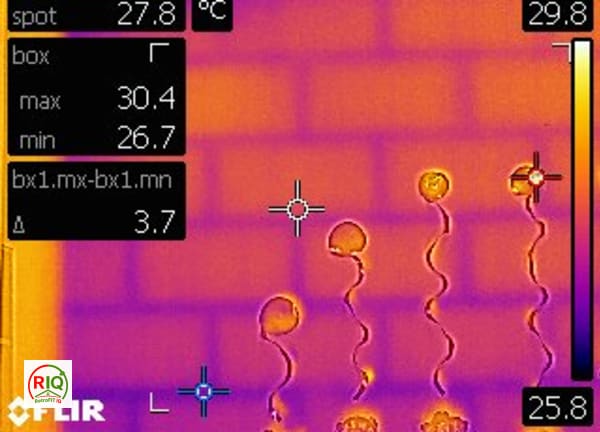
Thermal Bridging Visible Through Masonry Blockwork Wall

Sample Building Performance Investigation Report — Thermal Imaging
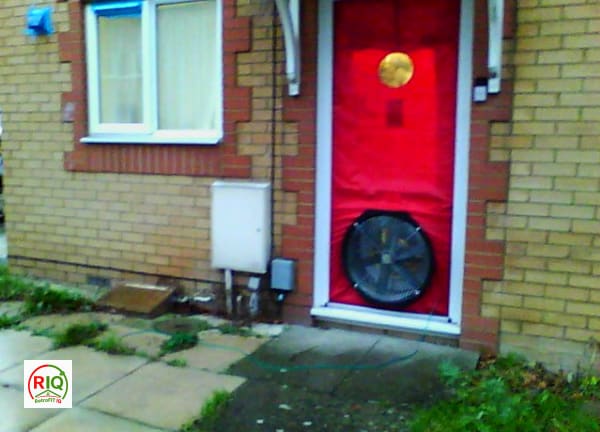
Blower Door Airtightness Test Setup

Thermal Bridge at Wall-Ceiling Junction Near Window

Thermal Bridge at Internal Corner Wall Junction

Ceiling / external-wall junction
No related investigations yet.
Browse all investigationsFrequently asked questions
Why is my hallway and stairs so cold?+
Because the hall sits at the centre of the house's air movement: the front door is a major draught source and cold surface, the stairwell drives the stack effect that draws cold air in low and warm air out high, and hallways usually have little heating. The cold is a mix of leakage, stack effect and under-heating.
What is the stack effect and why does it cool my hall?+
Warm air rises and escapes through leaks at the top of the house, drawing cold air in lower down — mainly through the front door and up the stairwell. This continuous current makes the hall and stairs persistently cold and draughty.
Is it the front door causing the draught?+
Largely, yes. The front door is usually the least airtight, least insulated opening, with gaps and a letterbox, so it is where the cold make-up air drawn in by the stack effect concentrates. Sealing and insulating it makes a big difference.
Why does sealing the loft hatch help a cold hall?+
Because the stack effect is driven by leakage at the top of the house. Sealing the loft hatch and upper-floor leaks lowers the pressure difference, so less cold air is drawn in at the bottom through the hall and door.
Should I put a radiator in my hallway?+
Some heating helps, as halls are often unheated, but on its own it fights the draughts. It is most effective combined with draught-proofing the door and reducing the stack effect, so the heat is not simply carried away.
Why does my cold hall make other rooms cold?+
Because air moves through it: the stack effect and door draughts route cold air through the hall and into adjoining rooms, so a cold, leaky hall chills the spaces around it as well.
How do you fix a cold hallway and stairs?+
We use a blower door test and smoke to find the high- and low-level leaks, draught-proof and insulate the front door, seal the top of the house to reduce the stack effect, and add sensible heating so the hall is comfortable.
Stop guessing — find the real cause
Do not spend money fixing symptoms before you understand the cause. Every home behaves differently, and the only reliable way to know what is happening in yours is professional building performance diagnostics. At RetrofitIQ we verify buildings using the right combination of investigations:
- Thermal imaging
- Blower door testing
- Moisture & dew point readings
- Ventilation review
- Building physics assessment
- Passive House methodology