
Why is my bedroom always cold?
Bedrooms are often the coldest rooms in the house — frequently upstairs, on a corner, heated less, and left to cool overnight. The same conditions that make them cold also cause the morning condensation many people notice on the windows.
 Reviewed by George Sora, Certified Passive House DesignerUpdated June 2026
Quick answer & key takeaways
6 min read- Bedrooms are often cold because they're heated less and left to cool overnight while still losing heat.
- Many are corner or top-floor rooms with more exposed surface and roof loss.
- Overnight, occupants add moisture (breathing) while surfaces are coldest — hence morning condensation.
- A cold bedroom is frequently a combined heat-loss and ventilation problem, not one or the other.
- Biggest misconception: just turn the radiator up. That ignores the fabric loss and the overnight moisture.
- Retrofit IQ's approach: thermal imaging, overnight RH/temperature logging and an air-leakage check together.
What this usually means
A cold bedroom is usually losing heat through more exposed surfaces than other rooms while receiving less heating, and being allowed to cool right down overnight. By morning the surfaces are at their coldest exactly when occupants have been adding moisture to the air through respiration — which is why cold bedrooms so often have condensation and mould as well.
So a cold bedroom is rarely a single-cause problem. It is typically a combination of fabric heat loss, the room's exposed position, reduced or intermittent heating, and a moisture balance that tips into condensation overnight. Treating only the temperature leaves the damp risk untouched.
Common causes
Exposed position
Top-floor and corner bedrooms have more roof and external wall area, losing heat faster than sheltered, internal rooms.
Roof and loft heat loss
Missing, thin or interrupted loft insulation above a bedroom lets heat escape upwards, keeping the ceiling and room cold.
Reduced and intermittent heating
Bedrooms are often heated less and the heating goes off overnight, so the room cools while still losing heat.
Air leakage
Gaps around eaves, loft hatches, windows and service runs let cold air in — pronounced upstairs due to the stack effect.
Overnight moisture load
Two sleeping adults add significant moisture to the air; against cold surfaces this condenses, causing window and corner damp.
Signs and symptoms
The coldest room in the house
Often an upstairs or corner bedroom that never feels as warm as the rooms below.
Cold ceiling and walls
Roof and exposed-wall losses keep the surfaces cold, and the room cools fast once the heating is off.
Wet windows and damp corners by morning
Overnight moisture meets the coldest surfaces, leaving streaming glass and damp reveals.
Draughts at the eaves and hatch
Air leakage at roof junctions and the loft hatch chills the room and drives the stack effect.
Mould around windows or behind the wardrobe
The cold surfaces and overnight humidity combine to grow mould in the usual cold spots.
What most people check first
- Loft insulation depth and continuity above the bedroom.
- Draughts around windows, eaves and the loft hatch.
- Whether the radiator heats fully and how cold the room gets overnight.
- Morning condensation on windows or damp in corners.
What most people miss
- That the cold and the morning condensation share the same cause — cold surfaces plus overnight moisture.
- That ventilation matters: without controlled fresh air, overnight humidity builds and condenses.
- Roof-level thermal bridges and air leakage at the eaves, invisible without a camera and blower door.
- That heating the room more without ventilating can worsen condensation as warm, moist air meets cold glass.
The building physics
Upstairs rooms sit at the top of the building's stack effect, where warm air rising through the house tries to escape — so air leakage and heat loss concentrate at the eaves, loft hatch and roof junctions. Combined with more exposed surface area, that makes top-floor bedrooms inherently harder to keep warm.
Overnight the picture worsens. With the heating off, surfaces cool to their lowest, while two sleeping occupants release moisture through respiration. Relative humidity climbs, and when the surface temperature of the glass or a cold corner falls below the dew point, that moisture condenses. This is the mechanism behind the classic 'wet windows every morning' in a cold bedroom.
The remedy therefore has to address both heat and moisture: raise surface temperatures (loft and roof insulation, sealing the eaves) and provide controlled ventilation so overnight humidity is removed. Doing one without the other either leaves the room cold or trades cold for condensation.
How to fix it — the right way
A cold bedroom is a combined heat-and-moisture problem, so the fix raises surface temperatures and removes the overnight moisture together.
- 01
Check and top up loft insulation above the room
Ensure it is continuous to the eaves over the bedroom, the single biggest loss for a top-floor room.
- 02
Seal air leakage at the eaves and loft hatch
Close the paths that chill the room and feed the stack effect, confirmed with a blower door.
- 03
Insulate exposed walls and roof, and treat bridges
Raise the surface temperatures so the room holds warmth and stays above the dew point.
- 04
Provide controlled ventilation
Background or mechanical ventilation removes the overnight moisture load that heating alone cannot.
- 05
Even out overnight heating
A steadier overnight temperature keeps surfaces above the dew point and limits morning condensation.
How to prevent it coming back
- Keep loft insulation continuous and the hatch sealed and insulated.
- Ventilate the bedroom to clear the overnight moisture load.
- Avoid drying laundry in the bedroom.
- Leave a gap behind furniture on external walls.
How Retrofit IQ investigates this
We diagnose cold bedrooms as a combined heat-and-moisture problem, logging conditions overnight rather than judging from a single daytime visit.
Do not spend money fixing symptoms before you understand the cause — investigate first, then build with confidence.
Do I need a professional investigation?
If a bedroom is cold and prone to morning condensation, overnight humidity and temperature logging, thermal imaging and an air-leakage check will diagnose heat and moisture together — so the fix addresses both.
It is worth investigating before adding loft insulation or new windows, so the eaves detailing and ventilation are right and the spend pays off.
Where to go next
Relevant services
Related comparisons
From the Academy
Evidence from Real Projects (20)
Real project and investigation images from our own fieldwork, matched to this page — not stock photography.
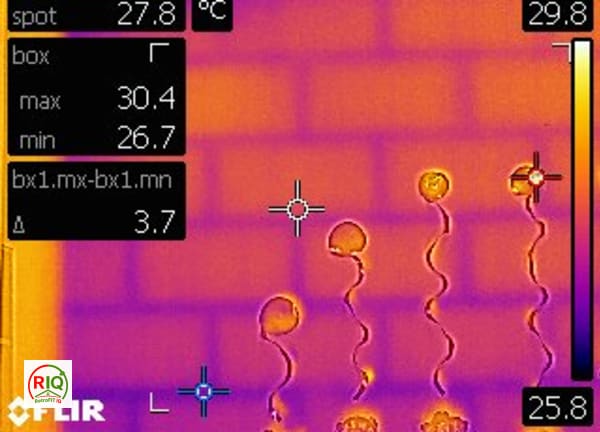
Thermal Bridging Visible Through Masonry Blockwork Wall

Sample Building Performance Investigation Report — Thermal Imaging

Thermal Bridge at Wall-Ceiling Junction Near Window

Thermal Bridge at Internal Corner Wall Junction
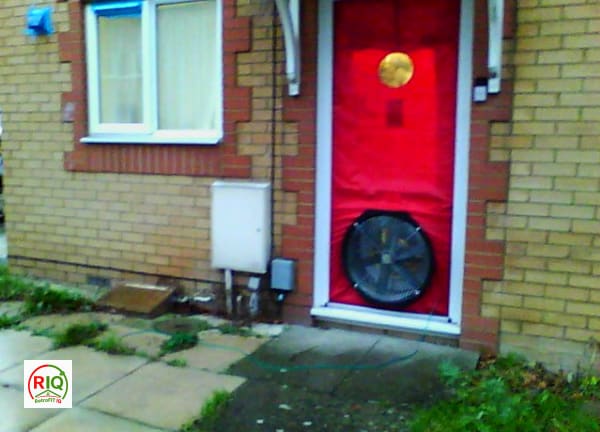
Blower Door Airtightness Test Setup
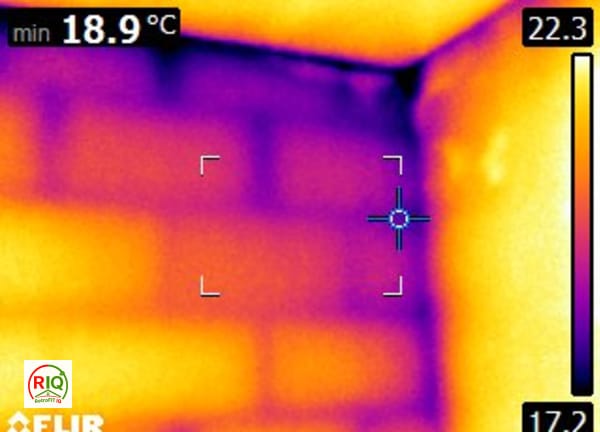
Cold wall surface vs warm ceiling
No related investigations yet.
Browse all investigationsFrequently asked questions
Why is my bedroom colder than the rest of the house?+
It's often a top-floor or corner room with more exposed surface and roof loss, heated less and left to cool overnight.
Why does my bedroom window get wet every morning?+
Overnight the glass is coldest while you add moisture by breathing; when the surface falls below the dew point, that moisture condenses on the window.
Should I just turn the bedroom radiator up?+
More heat helps the cold, but without ventilation it can worsen condensation. The fix is warmer surfaces plus controlled fresh air.
Is loft insulation the answer?+
It's often a big part of it for top-floor bedrooms, alongside sealing air leakage at the eaves and hatch. A survey confirms where the loss is.
Why does my cold bedroom get mould?+
Cold surfaces and overnight moisture combine: the surface drops below the dew point and condensation, then mould, forms in corners and around windows.
Do I need ventilation in a bedroom?+
Yes — bedrooms have a high overnight moisture load, so controlled ventilation is needed to remove it and prevent condensation.
How do you diagnose a cold bedroom?+
We map heat loss with thermal imaging, log temperature and humidity overnight, check air leakage and analyse dew point — diagnosing heat and moisture together.
Stop guessing — find the real cause
Do not spend money fixing symptoms before you understand the cause. Every home behaves differently, and the only reliable way to know what is happening in yours is professional building performance diagnostics. At RetrofitIQ we verify buildings using the right combination of investigations:
- Thermal imaging
- Blower door testing
- Moisture & dew point readings
- Ventilation review
- Building physics assessment
- Passive House methodology