
The symptoms
- Black mould on bedroom walls, ceilings, corners and around windows
- Condensation on the windows each morning
- A stuffy, humid feel and high CO₂ on waking
- Worse in north-facing rooms and behind beds and wardrobes
The building physics: moisture in, heat off, doors closed
Overnight, occupants add a surprising amount of moisture to a bedroom — a sleeping adult releases around 40g of water vapour an hour through breathing and perspiration, so two people over eight hours add well over half a litre of water to the air. At the same time the heating is usually off, so surfaces cool, and the door and windows are shut, so the moisture cannot escape. Humidity climbs, the cold external walls and windows fall below the dew point, and condensation forms exactly where the surfaces are coldest.
Bedrooms combine every risk factor: a high overnight moisture load, cool surfaces, cold external/north-facing walls, and routinely poor ventilation. That is why they are the number-one location for condensation and black mould in UK homes.
The likely causes
- Moisture and CO₂ from sleeping occupants in a closed room
- Cool overnight temperatures with the heating off
- Cold external/north-facing walls and reveals
- Inadequate ventilation (closed windows, no trickle vents, no extract)
Why it's a health issue, not just a decorating one
Bedroom mould matters more than mould elsewhere because of how long people spend asleep close to it. Mould spores and the high CO₂ of an unventilated bedroom both affect sleep and respiratory health, with the greatest impact on children, older people and anyone with asthma or allergies. This is why bedroom condensation should be diagnosed and resolved properly rather than wiped away each week.
Common mistakes homeowners make
- Keeping the bedroom door and windows shut all night with no ventilation
- Bleaching the mould without addressing humidity or cold surfaces
- Drying laundry in the bedroom
How RetrofitIQ investigates bedroom mould
- Overnight humidity, temperature and (where relevant) CO₂ logging
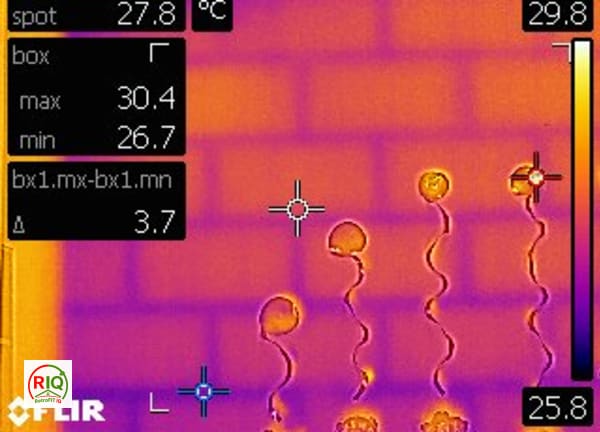
- Surface-temperature readings and thermal imaging of the affected walls
- A ventilation assessment to size the right continuous extract or supply
- A combined remedy: controlled ventilation plus warmer surfaces
- Verification that humidity and surface temperatures are now in the safe band