
Why didn't my new insulation make my house warmer?
Spending on insulation and feeling no warmer is a common and frustrating outcome — and it almost always means the insulation, though installed, did not address where the home actually loses heat. The biggest losses might have been somewhere you did not insulate; the new insulation might have left gaps, thermal bridges or air-leakage paths that short-circuit it; or the dominant problem might have been draughts rather than poor insulation in the first place. Heat finds the weakest path, so insulating one element while leaving the real losses open changes little. The way to get the improvement you paid for is to find where the heat goes first, then insulate and seal accordingly.
 Reviewed by George Sora, Certified Passive House DesignerUpdated June 2026
Quick answer & key takeaways
8 min read- No improvement usually means the real heat-loss paths were not addressed.
- Heat escapes by the weakest route, so insulating the wrong element changes little.
- Gaps, thermal bridges and air leakage can short-circuit new insulation.
- Draughts often matter more than insulation and are frequently overlooked.
- Biggest misconception: any insulation makes a home warmer. It must target the actual losses.
- Retrofit IQ's approach: measure where the heat goes, then insulate and seal where it counts.
What this usually means
Insulation only makes a home warmer if it reduces a significant part of its heat loss, and a home loses heat through many routes at once — the walls, roof, floor, windows and the air leaking through gaps. Heat behaves like water finding the lowest point: it escapes fastest by the weakest path. So if you insulate, say, the loft, but most of your home's heat was actually leaving through uninsulated walls, draughts and a cold floor, the loft insulation reduces one route while the dominant ones stay wide open — and you feel little difference. The work was done, but not where the heat was going.
Even insulating the right element can disappoint if it is undermined by the details. Insulation left with gaps, compressed, or not in continuous contact with the airtight layer allows heat to bypass it; thermal bridges — uninsulated junctions, reveals, lintels and the points where floors and walls meet — remain as cold lines that leak heat and stay cold to the touch; and air leakage carries warmth out regardless of how much insulation surrounds it. A loft 'topped up' but with an unsealed loft hatch and downlighters, or a wall insulated but with the reveals and junctions left bridged, can perform far below expectation. The insulation is present, but the heat is short-circuiting around it.
Frequently, too, the real problem was never insulation at all. A home that feels cold and is expensive to heat may be losing most of its heat through air leakage — draughts that change the air several times more than necessary — so adding insulation while ignoring airtightness leaves the dominant loss untouched. This is why a measured approach matters: establishing where the heat actually goes, with a heat-loss assessment, thermal imaging and a blower door test, reveals whether the spend should have gone on different elements, on sealing the leakage, or on completing the bridges and gaps. Doing that diagnosis — ideally before the work — is what ensures insulation delivers the warmth and saving it should, rather than leaving you no better off.
Common causes
Wrong element insulated
The biggest losses were elsewhere, so insulating one element changed little.
Gaps and compression
Insulation with gaps or compressed lets heat bypass it.
Thermal bridges left open
Uninsulated junctions, reveals and lintels remain as cold, heat-leaking lines.
Air leakage ignored
Draughts carry heat out regardless of how much insulation surrounds them.
Misdiagnosed problem
The real issue was often airtightness, not insulation level.
Signs and symptoms
No change in warmth or bills
Little improvement after insulating shows the real losses were not addressed.
Still draughty
Persistent draughts indicate air leakage that insulation does not fix.
Cold lines and patches remain
Cold junctions and reveals reveal thermal bridges short-circuiting the insulation.
Some surfaces still cold
Cold walls or floors show heat still escaping through uninsulated elements.
Room still slow to heat
A room still losing heat fast points to remaining dominant losses.
What most people check first
- Whether the element you insulated was the dominant heat-loss path.
- Whether the insulation has gaps, compression or thermal bridges.
- Whether air leakage was addressed alongside the insulation.
- Whether the real problem was draughts rather than insulation.
What most people miss
- That heat escapes by the weakest path, not the one you insulated.
- That gaps, bridges and leakage can short-circuit good insulation.
- That airtightness often matters more than insulation level.
- That measuring the losses first prevents wasted spend.
The building physics
A dwelling's total heat loss is the sum of the fabric losses through each element and the ventilation and infiltration losses, each weighted by area, U-value or air-change rate and the temperature difference. Reducing the total requires reducing the largest contributors; insulating an element that was already a minor contributor, or that is small in area, changes the total only slightly, which is why insulating the wrong element produces a disappointing result. The correct strategy targets the dominant losses first, and identifying them requires measuring the breakdown rather than assuming where the heat goes.
The performance actually achieved also depends on continuity and air movement, not just the insulation's rated resistance. Gaps, compression and a lack of contact with the airtight layer allow convective bypass and conduction around the insulation, so the in-situ U-value can be far worse than the design value. Thermal bridges at junctions, reveals and structural penetrations conduct heat around the insulated areas and remain cold, both losing heat and risking condensation, and their effect grows in relative importance as the plane elements are insulated. Air leakage, driven by wind and the stack effect, exchanges warm internal air for cold outside air at a rate that can dominate the loss in a leaky home, and insulation does nothing to reduce it — so a fabric upgrade that ignores airtightness leaves a major loss term intact.
Diagnosis is therefore what makes insulation effective. A heat-loss assessment quantifies the contribution of each element and of infiltration; thermal imaging reveals where insulation is missing, gapped or bridged and where the cold lines run; and a blower door test measures the air leakage and locates the paths. Together they show whether a previous insulation measure failed because it targeted the wrong element, because it was compromised by gaps and bridges, or because the dominant loss was air leakage all along — and they direct the remaining spend to the measures that will actually cut the loss. Performing this analysis, ideally before the work, is the difference between insulation that delivers warmth and saving and insulation that leaves the home no better off.
How to get the warmth your insulation should deliver
Measure where the heat actually goes, then address the dominant losses — completing gaps and bridges, sealing air leakage, and insulating the elements that were really losing the heat.
- 01
Measure the heat loss
Quantify how much heat leaves through each element and through air leakage.
- 02
Map the insulation defects
Use thermal imaging to find gaps, compression, thermal bridges and cold lines.
- 03
Measure the air leakage
Use a blower door test to find whether draughts are the dominant, unaddressed loss.
- 04
Complete and seal
Close the insulation gaps, treat the thermal bridges, and seal the leakage paths.
- 05
Insulate the real losses
Add insulation to the elements that were actually losing the most heat.
- 06
Verify the improvement
Confirm the losses have reduced and the home is warmer for the same heating.
How to prevent it coming back
- Measure where the heat goes before insulating.
- Insulate the dominant losses, not the easiest element.
- Address air leakage alongside insulation.
- Avoid gaps and thermal bridges that short-circuit the insulation.
How Retrofit IQ investigates this
We measure where your home actually loses heat, so insulation and sealing are directed at the losses that matter.
Do not spend money fixing symptoms before you understand the cause — investigate first, then build with confidence.
Do I need a professional investigation?
If new insulation has made little difference to warmth or bills, it is worth investigating where the heat actually goes. A heat-loss assessment, thermal imaging and a blower door test reveal whether the wrong element was insulated, whether gaps and bridges undermine it, or whether air leakage was the real loss — so the remaining spend cuts the loss that matters rather than repeating the disappointment.
Where to go next
Relevant services
From the Academy
Related case studies
Related problems you may also have
Evidence from Real Projects (25)
Real project and investigation images from our own fieldwork, matched to this page — not stock photography.

Sample Building Performance Investigation Report — Thermal Imaging
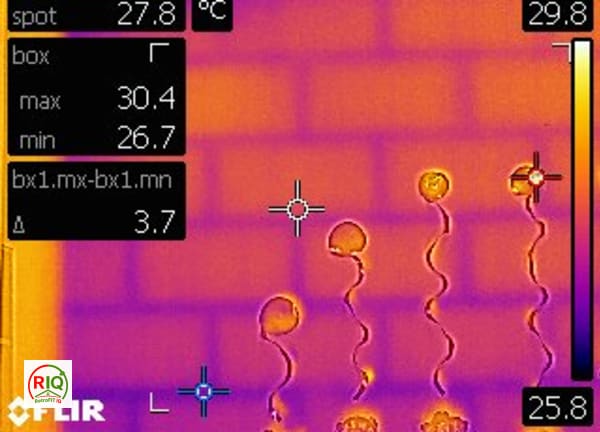
Thermal Bridging Visible Through Masonry Blockwork Wall
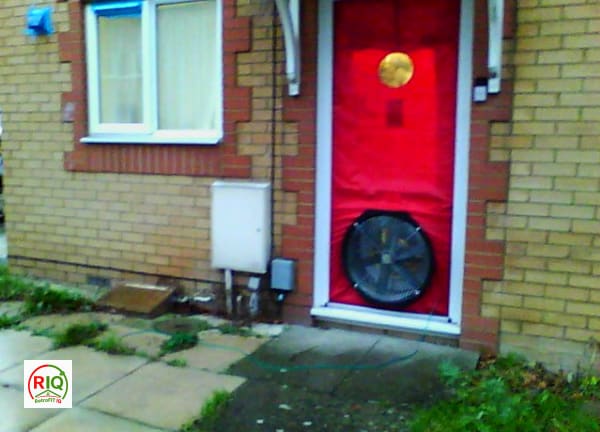
Blower Door Airtightness Test Setup

Thermal Bridge at Internal Corner Wall Junction

Thermal Bridge at Wall-Ceiling Junction Near Window

Acoustic Floor Upgrades: Mineral Wool Insulation Between Joists
No related investigations yet.
Browse all investigationsFrequently asked questions
Why didn't my new insulation make my house warmer?+
Usually because it did not address where the home actually loses heat — the biggest losses were through an element you did not insulate, or the insulation left gaps, thermal bridges or air-leakage paths that short-circuit it, or the real problem was draughts rather than insulation. Heat escapes by the weakest path, so insulating one route while leaving the dominant ones open changes little.
Could I have insulated the wrong thing?+
Quite possibly. A home loses heat through walls, roof, floor, windows and air leakage at once, and if most of your loss was through, say, the walls and draughts, insulating the loft alone would reduce one minor route while the dominant ones stayed open. Measuring the breakdown first is what avoids this.
Can air leakage cancel out insulation?+
It can dominate. Draughts driven by wind and the stack effect exchange warm air for cold air, and insulation does nothing to reduce that. A home losing most of its heat through air leakage will feel little benefit from insulation until the leakage is sealed too.
What are thermal bridges and why do they matter?+
They are uninsulated junctions, reveals, lintels and the points where floors and walls meet, which conduct heat around the insulated areas and stay cold. They leak heat, can cause condensation, and become relatively more important as the main surfaces are insulated — so leaving them open undermines the result.
Is the insulation faulty?+
Not necessarily — it may simply be in the wrong place, or compromised by gaps, compression or bridges so it underperforms its rating. Thermal imaging shows whether the insulation is continuous and effective or being bypassed, which tells you whether to complete it or insulate elsewhere.
How do you find out what went wrong?+
We measure how much heat leaves through each element and through air leakage, map the insulation defects and cold lines with thermal imaging, and measure the leakage with a blower door test — which shows whether the wrong element was insulated, whether gaps and bridges undermine it, or whether draughts were the real loss, so the next spend actually delivers warmth.
Stop guessing — find the real cause
Do not spend money fixing symptoms before you understand the cause. Every home behaves differently, and the only reliable way to know what is happening in yours is professional building performance diagnostics. At RetrofitIQ we verify buildings using the right combination of investigations:
- Thermal imaging
- Blower door testing
- Moisture & dew point readings
- Ventilation review
- Building physics assessment
- Passive House methodology