
Why is the room above my garage always cold?
A room above a garage is almost always cold for one main reason: its floor sits directly over an unheated, often draughty and uninsulated space, so it loses heat downwards in a way no other room does. The garage is effectively 'outside' thermally — cold, ventilated and sometimes open to the weather — so the floor of the room above behaves like an exposed external surface. Add the extra external walls these rooms usually have, and the cold floor and cold surfaces explain the chill, which is fixable by insulating and sealing.
 Reviewed by George Sora, Certified Passive House DesignerUpdated June 2026
Quick answer & key takeaways
8 min read- The room's floor sits over an unheated, often uninsulated and draughty garage.
- The garage is thermally like 'outside', so the floor loses heat downwards.
- Such rooms usually have extra external walls, adding to the heat loss.
- Insulating the floor over the garage and sealing air leakage is the fix.
- Biggest misconception: it just needs more heating. The floor is losing heat like an external surface.
- Retrofit IQ's approach: insulate and seal the exposed floor and walls, then balance the heating.
What this usually means
Most rooms sit above another heated room, so their floor loses little heat. A room above a garage is the exception: the garage below is unheated and usually ventilated — sometimes with an up-and-over door open to the weather — so it stays close to outdoor temperature. The floor between the room and the garage is therefore not an internal floor but an exposed one, losing heat downwards to a cold space just as a wall loses heat to outside. If that floor is poorly insulated, the room is cold and the floor feels cold underfoot.
These rooms are usually exposed in other ways too. A room over a garage is often at the end or front of the house, so it has more external walls than a typical room — frequently three — and sometimes sits under the roof as well, each adding a cold surface and a path for heat loss. The combination of a cold floor, extra cold walls and any air leakage at the many junctions makes such rooms the coldest in many homes, however hard the radiator works, because the heat is being lost across a large exposed surface area.
Air leakage compounds it. Garages are draughty, and the floor structure over them often connects to that cold, moving air, so cold air can leak up through gaps around the floor perimeter, services and junctions, chilling the room and the floor directly. The fix is therefore to treat the floor over the garage as the exposed surface it is: insulate it well (from below within the garage where possible, or within the floor build-up), seal the air-leakage paths at its perimeter and penetrations, and insulate the extra external walls — after which the room can be kept comfortable at a normal heating setting.
Common causes
Uninsulated floor over a cold garage
The floor loses heat downwards to an unheated, near-outdoor space like an exposed external surface.
Extra external walls
Rooms over garages often have more external walls than usual, adding cold surfaces and heat loss.
Air leakage from the garage
Cold, draughty garage air leaks up through the floor perimeter, services and junctions.
Exposed position and roof
Being at the end or front, and sometimes under the roof, exposes the room on several sides.
Thermal bridges at junctions
The floor-to-wall and wall-to-roof junctions bridge heat and create cold spots.
Signs and symptoms
Cold floor underfoot
A floor that feels cold confirms heat is being lost downwards to the garage below.
Room cold despite the radiator
Staying cold however the heating runs points to heat loss through the exposed floor and walls.
Draughts near the floor edges
Cold air felt at the floor perimeter indicates leakage up from the garage.
Colder than rooms over heated spaces
Being noticeably colder than similar rooms elsewhere reflects the unheated garage below.
Cold spots at the wall and floor junctions
Chilly junctions reveal thermal bridging around the exposed floor.
What most people check first
- Whether the floor over the garage is insulated.
- Whether cold air leaks up around the floor perimeter and services.
- How many external walls the room has and whether they are insulated.
- Whether the garage is open or draughty, keeping the floor especially cold.
What most people miss
- That the floor over a garage is an exposed surface, not an internal floor.
- That such rooms usually have extra external walls adding to the loss.
- That air leakage from the cold garage chills the room and floor directly.
- That insulating and sealing the floor and walls fixes it, not more heating.
The building physics
Heat loss through any element is proportional to its area, its U-value and the temperature difference across it. A floor over an unheated garage experiences nearly the full indoor-to-outdoor temperature difference, because the garage sits close to outdoor temperature, so an uninsulated floor there loses heat at a rate comparable to an external wall — far more than a normal intermediate floor, which has only a small difference to the heated room below. This is why the room runs cold and the floor surface feels cold to the feet.
The exposure is rarely limited to the floor. Rooms over garages are commonly positioned at the corner or front of a dwelling and may have three external walls, and sometimes a roof or part-roof above, so several surfaces lose heat simultaneously and the total exposed area is large. Each surface also brings junctions — floor-to-wall, wall-to-wall, wall-to-roof — that are prone to thermal bridging, creating local cold spots that lower comfort and can risk condensation, and to air leakage where the construction is discontinuous over the garage.
Air leakage is particularly important here because the garage is a cold, ventilated reservoir directly beneath the room. The floor structure often communicates with that space through perimeter gaps, joist ends, and service penetrations, so under wind and stack pressure cold air can move up into the floor void and the room, chilling them directly and adding to the conductive loss. Effective remediation therefore combines a continuous layer of insulation across the floor over the garage with airtight sealing of its perimeter and penetrations, plus insulation of the extra external walls and attention to the junctions — addressing both the conductive and the air-leakage components so the room is comfortable without excessive heating.
How to warm up a room over a garage
Treat the floor over the garage as the exposed surface it is: insulate it, seal the air leakage from the garage, and insulate the extra external walls, then balance the heating.
- 01
Insulate the floor over the garage
Add a continuous layer of insulation, ideally from below within the garage or within the floor build-up.
- 02
Seal air leakage from the garage
Seal the floor perimeter, joist ends and service penetrations so cold garage air cannot leak up.
- 03
Insulate the extra external walls
Insulate the room's several external walls to cut the additional heat loss.
- 04
Treat the junctions
Address thermal bridges at the floor, wall and roof junctions to remove cold spots.
- 05
Check any roof above
Insulate and seal the roof or ceiling if the room is also exposed at the top.
- 06
Balance the heating
With the fabric improved, ensure the radiator is adequate and the room reaches comfort at a normal setting.
How to prevent it coming back
- Insulate the floor over a garage as an exposed external surface.
- Seal air-leakage paths between the garage and the room.
- Insulate all the room's external walls and any roof above.
- Address junction thermal bridges to remove cold spots.
How Retrofit IQ investigates this
We assess the exposed floor, walls and junctions over the garage and the air leakage from it, then specify insulation and sealing.
Do not spend money fixing symptoms before you understand the cause — investigate first, then build with confidence.
Do I need a professional investigation?
A room over a garage that stays cold is worth investigating as an exposed-surface and air-leakage problem rather than a heating one. Assessing the floor insulation, the leakage from the garage and the external walls shows exactly where the heat is lost, so the room can be insulated and sealed to be comfortable at a normal setting.
Where to go next
Relevant services
Related comparisons
From the Academy
Evidence from Real Projects (29)
Real project and investigation images from our own fieldwork, matched to this page — not stock photography.
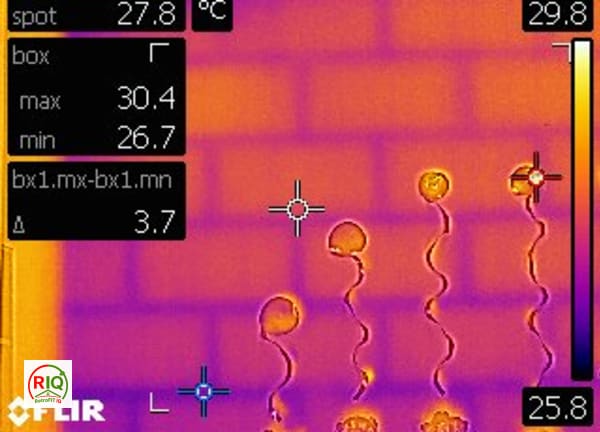
Thermal Bridging Visible Through Masonry Blockwork Wall

Sample Building Performance Investigation Report — Thermal Imaging
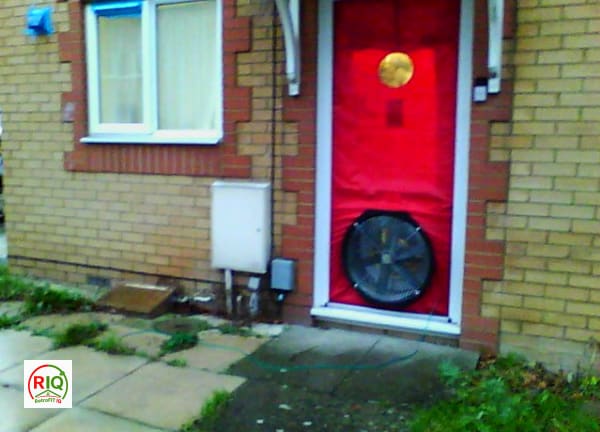
Blower Door Airtightness Test Setup

Thermal Bridge at Wall-Ceiling Junction Near Window

Thermal Bridge at Internal Corner Wall Junction

Ceiling / external-wall junction
No related investigations yet.
Browse all investigationsFrequently asked questions
Why is the room above my garage always cold?+
Because its floor sits over an unheated, often uninsulated and draughty garage, so it loses heat downwards like an exposed external surface. These rooms also usually have extra external walls, so several surfaces lose heat at once, making the room cold however hard the radiator works.
Is it the floor or the walls?+
Usually both. The uninsulated floor over the cold garage is the distinctive cause, but rooms over garages typically also have more external walls than usual, and sometimes a roof above, all adding to the heat loss. A survey shows the balance.
How do I insulate the floor over a garage?+
Ideally by adding a continuous layer of insulation to the underside of the floor from within the garage, or within the floor build-up, while sealing the perimeter and penetrations so cold garage air cannot leak up into the room.
Why does the floor feel so cold underfoot?+
Because the garage below is close to outdoor temperature, so an uninsulated floor loses heat downwards rapidly and its surface stays cold — much colder than a floor above a heated room.
Will more heating fix it?+
Only at high cost and modest effect, because the heat is being lost across a large exposed area. Insulating the floor and walls and sealing the leakage is the efficient fix, after which a normal heating setting keeps the room comfortable.
Why is it draughty near the floor?+
The cold, ventilated garage often connects to the floor structure through perimeter gaps and service penetrations, so cold air can leak up into the room, felt as draughts near the floor edges.
How do you make a room over a garage comfortable?+
We assess the floor, walls and junctions with thermal imaging, locate air leakage from the garage with a blower door test, then specify floor and wall insulation, airtight sealing and adequate heating.
Stop guessing — find the real cause
Do not spend money fixing symptoms before you understand the cause. Every home behaves differently, and the only reliable way to know what is happening in yours is professional building performance diagnostics. At RetrofitIQ we verify buildings using the right combination of investigations:
- Thermal imaging
- Blower door testing
- Moisture & dew point readings
- Ventilation review
- Building physics assessment
- Passive House methodology