
Why is there condensation on the outside of my windows?
Condensation on the outside of your windows — dew or misting on the external pane, usually on clear, still mornings — is almost always a sign that your glazing is working well, not a fault. Because efficient, well-insulated windows let very little heat escape outwards, the outer pane stays cold enough to drop below the dew point of the night air, and dew forms on it just as it does on a car roof or the lawn. It clears as the sun warms the glass, and it generally means the opposite of a problem.
 Reviewed by George Sora, Certified Passive House DesignerUpdated June 2026
Quick answer & key takeaways
8 min read- External condensation usually means your glazing is efficient — little heat reaches the outer pane.
- It forms on clear, still, humid nights when the outer glass radiates heat to the cold sky.
- It is the same physics as dew on a car roof or grass — and clears as the sun warms the glass.
- It is on the outside, so it is not a window fault and not a room moisture problem.
- Biggest misconception: it means the windows have failed. Usually it means the reverse.
- Retrofit IQ's approach: reassure, confirm it is external, and check internal condensation separately.
What this usually means
Condensation forms whenever a surface falls below the dew point of the air touching it. On the outside of a window, that surface is the external pane, and it gets cold for a particular reason: on clear, still nights the glass radiates heat away to the cold night sky and cools to below the surrounding air temperature, a process called radiative or 'night-sky' cooling. When the outdoor air is humid, the chilled glass drops below its dew point and dew condenses on it — exactly the same effect that wets car roofs, garden furniture and grass on the same mornings.
Crucially, this only happens readily when the glazing is efficient. A good, modern, low-E double- or triple-glazed unit lets very little heat leak from inside to the outer pane, so that pane stays cold and is free to chill below the dew point. Old, poorly insulating windows leak enough warmth outwards to keep the external glass above the dew point, so they rarely show external dew. In other words, outside condensation is a side-effect of windows that are doing their job and keeping the heat in.
Because the moisture is on the outside, it has nothing to do with humidity inside your home and is not a sign of a blown unit or a leaking seal. It typically appears on the lower part of the glass first, on cold, calm, clear mornings in spring and autumn, and clears within an hour or two as the sun or a breeze warms the pane. There is nothing to fix. The only time external dew points to anything is if you also see misting between the panes (a blown unit) or condensation on the inside (a room humidity and ventilation matter), which are different things to check.
Common causes
Efficient low-E glazing
Good glazing keeps heat inside, so the outer pane stays cold enough to reach its dew point.
Clear, still nights
Radiative cooling to a clear sky, with no wind to mix the air, chills the outer glass below air temperature.
Humid outdoor air
High overnight humidity, common in spring and autumn, raises the dew point so dew forms more readily.
Sheltered or shaded glazing
Windows shielded from wind and early sun cool more and stay wet a little longer.
South or east-facing glass clearing late
Dew lingers until the sun reaches and warms the pane, then evaporates quickly.
Signs and symptoms
Dew on the outer pane on clear mornings
A film of moisture on the outside that you cannot feel from indoors signals normal external condensation.
Worst on still, cloudless nights
External dew appears most after calm, clear nights and is mirrored by dew on cars and grass.
Clears as the sun comes up
Moisture that evaporates within an hour or two of sunrise confirms it is harmless surface dew.
Only the efficient windows affected
If newer, better windows mist outside while older ones do not, the efficient glazing is the reason.
Glass dry to the touch indoors
Inner surfaces staying dry while the outside is wet confirms the moisture is purely external.
What most people check first
- Whether the moisture is genuinely on the outside (not the inside or between the panes).
- Whether it appears on clear, still mornings and clears with the sun.
- Whether dew is also on cars and grass — the same harmless effect.
- Whether you also have any internal condensation, which is a separate matter.
What most people miss
- That external condensation usually means the glazing is performing well, not failing.
- That it is the same physics as dew on a car roof — radiative night-sky cooling.
- That it has nothing to do with indoor humidity or a faulty seal.
- That the only related faults to rule out are a blown unit or internal condensation.
The building physics
Surfaces exposed to a clear night sky lose heat by long-wave radiation to space, which is effectively very cold. With little cloud to radiate heat back and no wind to mix warmer air across the surface, an outer window pane can cool several degrees below the surrounding air temperature. If the air is humid enough that its dew point is above this chilled surface temperature, water condenses on the glass. This is the standard mechanism of dew formation on any well-exposed outdoor surface.
Whether a window's outer pane gets cold enough depends on how much heat reaches it from inside. In an efficient low-E, gas-filled unit, the inner pane and coating hold the warmth in, so very little heat conducts through to the outer pane, leaving it free to cool radiatively at night. A poor single-glazed or older unit conducts plenty of warmth outwards, keeping the outer surface above the dew point. So external dew is, paradoxically, a marker of a low U-value: the better the glazing, the colder the outer pane, the more likely the dew.
This makes external condensation fundamentally different from internal condensation, which forms on the room-side pane when warm, humid indoor air meets cold glass, and from inter-pane misting, which signals a blown sealed unit. External dew is governed by outdoor humidity and night-sky cooling, not by anything you do indoors, and it self-clears as solar gain and air movement warm the pane after sunrise. Recognising which of the three you have prevents unnecessary worry — and unnecessary spending — because external condensation needs no remedy at all.
What to do about external window condensation
In almost every case, nothing — it is a sign of efficient glazing and clears itself. Simply confirm it is external and check separately for any internal condensation.
- 01
Confirm it is external
Check the moisture is on the outer pane, with the inside dry, so you know it is harmless dew.
- 02
Note the conditions
Observe that it appears on clear, still, humid mornings and clears with the sun, like dew on cars.
- 03
Reassure yourself it is normal
Recognise it as a marker of efficient, low-U-value glazing rather than a defect.
- 04
Rule out a blown unit
Make sure there is no misting trapped between the panes, which would be a different fault.
- 05
Check internal condensation separately
If the inside also mists, treat that as a humidity-and-ventilation matter on its own.
- 06
Improve exposure only if you wish
Where it bothers you cosmetically, a little more shelter, sun or air movement reduces it — though it is not necessary.
How to prevent it coming back
- Accept external dew as a normal, harmless sign of good glazing.
- Distinguish it from internal condensation and blown units, which do need action.
- Allow morning sun and air movement to clear the glass naturally.
- Avoid 'fixing' something that indicates your windows are performing well.
How Retrofit IQ investigates this
We confirm condensation is external and harmless, and check for any internal condensation or sealed-unit failure that would need action.
Do not spend money fixing symptoms before you understand the cause — investigate first, then build with confidence.
Do I need a professional investigation?
External window condensation rarely needs investigating — it usually confirms efficient glazing. It is only worth a closer look if you also see misting between the panes (a blown unit) or condensation on the inside of the glass, which point to a sealed-unit failure or a humidity-and-ventilation problem respectively.
Where to go next
Relevant services
Related comparisons
From the Academy
Related case studies
Evidence from Real Projects (16)
Real project and investigation images from our own fieldwork, matched to this page — not stock photography.
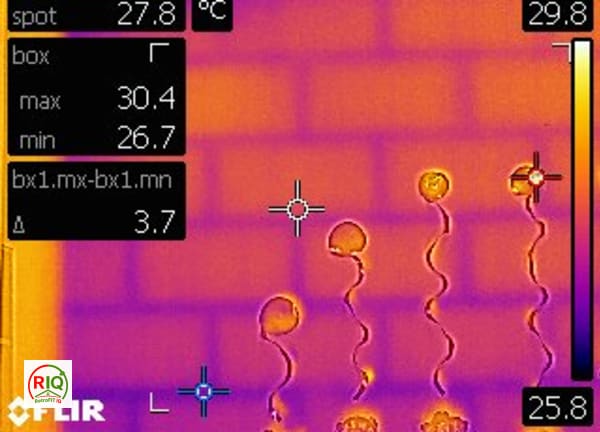
Thermal Bridging Visible Through Masonry Blockwork Wall

Sample Building Performance Investigation Report — Thermal Imaging
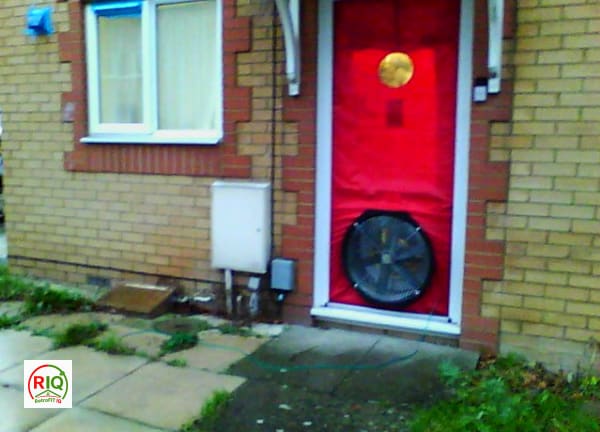
Blower Door Airtightness Test Setup

Thermal Bridge at Internal Corner Wall Junction

Thermal Bridge at Wall-Ceiling Junction Near Window

Ceiling / external-wall junction
No related investigations yet.
Browse all investigationsFrequently asked questions
Why is there condensation on the outside of my windows?+
Because efficient glazing keeps your heat indoors, the outer pane stays cold and, on clear, still, humid nights, it radiates heat to the sky and drops below the dew point — so dew forms on it, just as it does on cars and grass. It is normal and usually a sign of good windows.
Is external condensation a sign of a problem?+
No — it is generally the opposite. It shows the glazing is insulating well, letting little heat escape to warm the outer pane. It clears as the sun or breeze warms the glass and needs no remedy.
Why do my new windows do it when the old ones didn't?+
Old, poorly insulating windows leak enough warmth outwards to keep the outer pane above the dew point. Efficient new units keep that heat in, so the outer pane gets cold enough for dew to form.
How is it different from condensation inside the glass?+
Inside condensation is warm, humid room air meeting cold glass — a humidity-and-ventilation matter. Misting between the panes is a blown sealed unit. External dew is outdoor air condensing on a cold outer pane and is harmless.
Can I stop external condensation?+
You do not need to, but a little more shelter, morning sun or air movement reduces it. It is purely cosmetic and clears itself, so most people simply leave it.
Does it mean my windows are too efficient?+
Not in any harmful sense. It simply reflects a low U-value — the better the glazing keeps heat in, the colder the outer pane, and the more likely the harmless external dew.
How do you confirm it is external condensation?+
We check the moisture is on the outer pane with the inside dry, note that it forms on clear, calm mornings and clears with the sun, and rule out a blown unit or internal condensation that would need action.
Stop guessing — find the real cause
Do not spend money fixing symptoms before you understand the cause. Every home behaves differently, and the only reliable way to know what is happening in yours is professional building performance diagnostics. At RetrofitIQ we verify buildings using the right combination of investigations:
- Thermal imaging
- Blower door testing
- Moisture & dew point readings
- Ventilation review
- Building physics assessment
- Passive House methodology