
Do I need to open windows if I have MVHR?
With a properly designed and commissioned MVHR (mechanical ventilation with heat recovery) system, you do not need to open windows for fresh air — that is exactly what the system provides, continuously and to every room, while recovering most of the heat from the air it extracts. Opening windows simply bypasses the heat recovery and lets that warmth escape. There are times when opening windows is still useful — for summer cooling, or to clear a one-off strong smell — but for everyday fresh air and moisture removal, MVHR is designed to do the job with the windows shut.
 Reviewed by George Sora, Certified Passive House DesignerUpdated July 2026
Quick answer & key takeaways
8 min read- MVHR supplies continuous fresh air to every room, so windows are not needed for ventilation.
- Opening windows bypasses the heat recovery and wastes the warmth MVHR captures.
- Windows are still useful for summer night cooling and clearing one-off strong smells.
- If the air feels stuffy with MVHR running, the system likely needs checking, not windows opening.
- Biggest misconception: a sealed home with MVHR is stuffy. Done right it is fresher than an open window.
- Retrofit IQ's approach: ensure the MVHR is commissioned and maintained so windows aren't needed.
What this usually means
MVHR is a whole-house ventilation system that continuously extracts stale, moist air from the wet rooms (kitchen, bathrooms) and supplies fresh, filtered air to the living rooms and bedrooms, passing the two airstreams through a heat exchanger so the outgoing warm air pre-heats the incoming fresh air. The result is a constant supply of fresh air to every habitable room without opening anything, and with most of the heat retained. So in an airtight home with working MVHR, the system is the ventilation — the fresh air arrives by design rather than by chance through windows and gaps.
This is why opening windows is not necessary for air quality and is, in heating weather, counter-productive: an open window lets the conditioned air and its recovered heat straight out, undermining the efficiency the system was installed to deliver, and in winter it simply wastes energy. A correctly sized and commissioned MVHR keeps carbon dioxide, humidity and pollutants well controlled with the windows closed, which is the whole point — it decouples good ventilation from the weather and from having to choose between fresh air and warmth.
There are still legitimate reasons to open a window. In summer, opening windows for night-purge cooling removes accumulated heat far faster than the ventilation system, which is sized for air quality not cooling (some units have a summer bypass that helps, but window purge is more powerful). And for a one-off event — burning the toast, painting a room — briefly opening a window clears it quickly. But these are exceptions; for everyday fresh air and moisture control, you should be able to keep the windows shut. If the home feels stuffy or humid with the MVHR running, that points to a system fault — poor commissioning, blocked filters, or imbalance — to be diagnosed, not to a need to open windows.
Common causes
MVHR supplies fresh air by design
The system continuously ventilates every room, so windows are not needed for air quality.
Open windows bypass heat recovery
Opening windows lets the recovered heat escape, wasting the system's main benefit.
Summer cooling need
Windows purge accumulated summer heat far faster than air-quality-sized ventilation.
One-off strong odours
Briefly opening a window clears a sudden smell quicker than the steady system flow.
System faults misread as needing windows
Stuffiness with MVHR running usually means a commissioning, filter or balance fault, not a window need.
Signs and symptoms
Fresh air without opening windows
A home that stays fresh with windows shut shows the MVHR is doing its job.
Warmth lost when windows are opened
Noticeable heat loss on opening windows reflects the recovered heat being bypassed.
Stuffiness despite MVHR
Stuffy air with the system running points to a fault to diagnose, not a window need.
Summer heat that won't clear
Accumulated summer heat is best purged by opening windows at night, which MVHR alone cannot match.
Condensation with MVHR running
Humidity or condensation despite MVHR suggests imbalance, blocked filters or poor commissioning.
What most people check first
- Whether the MVHR is properly commissioned and balanced.
- Whether the filters are clean and the system maintained.
- Whether stuffiness or humidity indicates a fault rather than a window need.
- Whether the need to open windows is for summer cooling rather than air quality.
What most people miss
- That MVHR is the ventilation, so windows aren't needed for fresh air.
- That opening windows in winter wastes the recovered heat.
- That stuffiness with MVHR usually means a fault, not a window need.
- That windows are still the best tool for summer night-purge cooling.
The building physics
MVHR works on balanced supply and extract: equal volumes of air are mechanically supplied and extracted, and the two streams exchange heat in a counter-flow heat exchanger that typically recovers 80–90% of the heat from the outgoing air. Because the system delivers a designed air-change rate to every room continuously, it meets the home's ventilation requirement independently of wind, temperature or occupant behaviour — the conditions on which window and trickle ventilation depend. In an airtight envelope, this controlled exchange is both the fresh-air supply and the moisture-removal mechanism, so windows are redundant for those functions.
Opening a window short-circuits this. It introduces an uncontrolled opening that lets supplied, heat-recovered air escape and cold air enter directly, bypassing the exchanger, so the heat-recovery benefit is lost for as long as the window is open. In heating season this is pure energy waste; the system continues to run but its recovered heat is vented. This is why the design intent of an MVHR home is windows-closed operation during heating weather — the efficiency case rests on keeping the conditioned air within the system.
Two genuine exceptions remain. First, summer cooling: MVHR airflow is sized for air quality, far below the rates needed to remove solar and internal heat gains, so window night-purge ventilation (and any summer bypass that disables heat recovery) is the effective cooling route. Second, transient high-strength sources — smoke, fumes, strong odours — that exceed the steady dilution capacity are cleared faster by briefly opening a window. Outside these, persistent stuffiness, humidity or condensation with MVHR running indicates a performance fault — incorrect commissioning, imbalanced flows, blocked filters or ductwork — which should be diagnosed and corrected, since the correct remedy is restoring the system, not reverting to opening windows.
How to use windows with an MVHR home
Rely on the MVHR for everyday fresh air with windows shut; open windows only for summer night cooling or one-off odours, and diagnose any stuffiness as a system issue.
- 01
Keep windows shut for daily ventilation
Let the MVHR supply fresh air to every room continuously while retaining the recovered heat.
- 02
Open windows for summer cooling
Use window night-purge ventilation to remove accumulated summer heat the system cannot.
- 03
Open briefly for strong odours
Clear one-off smells or fumes quickly with a short window opening.
- 04
Check commissioning and balance
If the air feels stuffy, have the MVHR's flow rates and balance checked rather than opening windows.
- 05
Maintain the filters
Clean or replace filters on schedule so the system keeps delivering fresh air effectively.
- 06
Diagnose persistent humidity
Treat condensation or humidity with MVHR running as a fault to investigate, not a window need.
How to prevent it coming back
- Keep windows closed in heating weather to retain recovered heat.
- Maintain MVHR filters and have the system commissioned correctly.
- Use windows for summer purge cooling, not everyday ventilation.
- Investigate stuffiness or humidity as a system fault promptly.
How Retrofit IQ investigates this
We confirm the MVHR is delivering its designed fresh air and recovering heat, so windows are not needed for everyday ventilation.
Do not spend money fixing symptoms before you understand the cause — investigate first, then build with confidence.
Do I need a professional investigation?
If you feel you need to open windows for fresh air despite having MVHR, or the home is stuffy or humid with it running, it is worth checking the system. Confirming the commissioning, balance, filters and ductwork ensures the MVHR delivers the fresh air it should — so windows are needed only for summer cooling, not daily ventilation.
Where to go next
Relevant services
Related comparisons
From the Academy
Related case studies
Evidence from Real Projects (15)
Real project and investigation images from our own fieldwork, matched to this page — not stock photography.
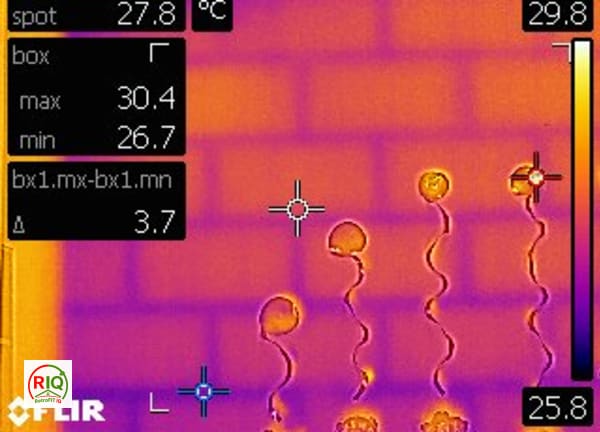
Thermal Bridging Visible Through Masonry Blockwork Wall

Sample Building Performance Investigation Report — Thermal Imaging
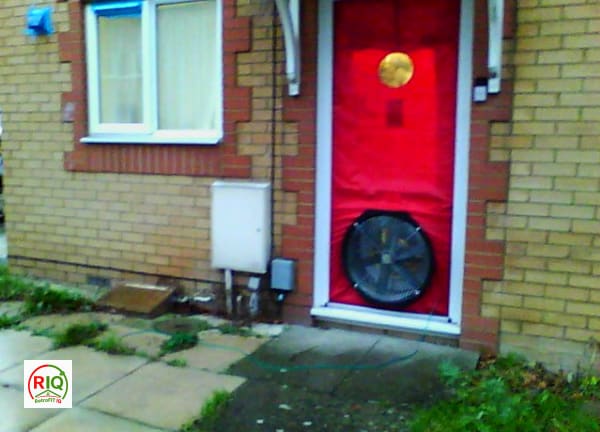
Blower Door Airtightness Test Setup

Thermal Bridge at Internal Corner Wall Junction

Airtightness Testing in a Stratford Victorian Terrace

Thermal Bridge at Wall-Ceiling Junction Near Window
No related investigations yet.
Browse all investigationsFrequently asked questions
Do I need to open windows if I have MVHR?+
No — for everyday fresh air and moisture removal, a properly commissioned MVHR supplies continuous fresh air to every room with the windows shut, while recovering most of the heat. Opening windows in winter just bypasses the heat recovery and wastes warmth.
Won't a sealed home with MVHR feel stuffy?+
Done right, it is fresher than relying on an open window, because the system delivers a designed amount of fresh air to every room continuously. If it feels stuffy, that points to a system fault to diagnose, not a need to open windows.
When should I open windows with MVHR?+
Mainly for summer cooling — opening windows at night purges accumulated heat far faster than the air-quality-sized system — and briefly to clear a one-off strong smell. For daily ventilation you should be able to keep them shut.
Does opening windows waste energy with MVHR?+
In heating weather, yes. An open window lets the supplied, heat-recovered air escape and cold air in directly, bypassing the heat exchanger, so the recovered heat is lost while the system keeps running.
Why is my home humid even with MVHR running?+
That usually indicates a fault — poor commissioning, imbalanced flows, blocked filters or ductwork — rather than a need to open windows. The system should control humidity, so it should be checked and corrected.
Does MVHR cool the house in summer?+
Not really — it is sized for air quality, not cooling, though some units have a summer bypass that disables heat recovery to help. For summer heat, opening windows for night-purge ventilation is far more effective.
How do you check an MVHR is working properly?+
We measure the supply and extract rates against the design, check CO₂ and humidity, verify the commissioning and balance, and inspect the filters and ductwork, so the system delivers the fresh air it should.
Stop guessing — find the real cause
Do not spend money fixing symptoms before you understand the cause. Every home behaves differently, and the only reliable way to know what is happening in yours is professional building performance diagnostics. At RetrofitIQ we verify buildings using the right combination of investigations:
- Thermal imaging
- Blower door testing
- Moisture & dew point readings
- Ventilation review
- Building physics assessment
- Passive House methodology