
Do I need MVHR or will extract fans do?
Choosing between MVHR and extract fans is one of the most common ventilation questions — and the honest answer is that it depends on how airtight your home is and what you need the ventilation to do. Extract fans remove moisture at source; MVHR supplies filtered fresh air everywhere and recovers heat. Understanding what each does, and matching it to your home, is the key to ventilating well without wasting money or heat.
 Reviewed by George Sora, Certified Passive House DesignerUpdated June 2026
Quick answer & key takeaways
8 min read- Extract fans remove moisture and stale air at source; MVHR supplies fresh air everywhere and recovers heat.
- The right choice depends mainly on your home's airtightness and ventilation needs.
- In leakier homes, good extract plus background ventilation can be adequate and cost-effective.
- In airtight homes, MVHR delivers continuous filtered fresh air while recovering most of the heat.
- MVHR only performs well in a reasonably airtight home — fitting it to a leaky one wastes its benefits.
- Biggest misconception: MVHR is always better, or always overkill. It depends on the building.
- Retrofit IQ's approach: measure airtightness and ventilation needs, then specify the system that fits.
What this usually means
Extract fans and MVHR solve the ventilation problem in different ways. Extract ventilation — intermittent fans or continuous low-rate units (dMEV/MEV) — removes moist, stale air from the wettest rooms (kitchen, bathroom), and fresh air is drawn in elsewhere through trickle vents and leakage. MVHR (mechanical ventilation with heat recovery) is a balanced system: it extracts stale air from wet rooms and simultaneously supplies filtered fresh air to living rooms and bedrooms, passing the two airstreams through a heat exchanger so most of the heat in the outgoing air is recovered.
The decision hinges on airtightness. Extract-only ventilation relies on fresh air finding its own way in through vents and gaps, which works when the home has enough background ventilation and some leakage. MVHR controls both supply and extract, which is what makes it efficient — but it only achieves that efficiency in a reasonably airtight home, because in a leaky one the controlled airflow is overwhelmed by uncontrolled leakage and the heat recovery benefit is lost. So the building, not preference, sets the sensible choice.
This is why the question cannot be answered in the abstract. A draughtier home with good extract and background ventilation may be perfectly healthy without MVHR. A tight, modern or deeply retrofitted home, where there is little accidental leakage, benefits greatly from MVHR's continuous filtered supply and heat recovery. Measuring the home's airtightness and ventilation needs is what turns a generic debate into a clear recommendation.
Common causes
Airtightness of the home
The decisive factor: MVHR needs a reasonably airtight home to work efficiently, while extract suits leakier homes.
Moisture and occupancy load
High moisture production or occupancy may justify the continuous, balanced ventilation MVHR provides.
Air quality priorities
Where filtered fresh air matters — pollution, allergies — MVHR's filtration is a strong advantage over extract-only.
Retrofit feasibility
MVHR needs ductwork routes; in some retrofits continuous extract is more practical to install well.
Energy efficiency goals
MVHR's heat recovery suits homes aiming for low heat loss; extract loses the heat in the air it removes.
The ventilation options compared
Intermittent extract fans
Fans in the kitchen and bathroom that run during and after use. Simple and cheap, they remove moisture at source but provide no continuous background ventilation and rely on air entering elsewhere. Adequate in leakier homes with trickle vents.
Continuous mechanical extract (dMEV / MEV)
Low-rate continuous extract from wet rooms, boosting on demand. Provides steady moisture removal and better background ventilation than intermittent fans, with fresh air still drawn in through vents and leakage.
Balanced MVHR
Supplies filtered fresh air to living spaces and bedrooms and extracts from wet rooms, recovering most of the heat between the two airstreams. Best suited to airtight homes, where it delivers continuous fresh air with minimal heat loss.
Signs and symptoms
Persistent condensation despite extract fans
If extract fans run but condensation continues, the home may need continuous or balanced ventilation rather than intermittent extract.
A very airtight home feeling stuffy
A tight home with little leakage that feels stuffy is a strong candidate for MVHR's continuous fresh-air supply.
Cold draughts from trickle vents in winter
Discomfort from cold incoming air through vents in a tight home suggests MVHR's tempered, heat-recovered supply would be better.
Good results from simple extract in a leaky home
A leakier home staying fresh with extract and trickle vents indicates MVHR may not be necessary.
What most people check first
- How airtight the home is — recently tested, modern, or deeply retrofitted versus older and leaky.
- Whether existing extract and background ventilation are keeping moisture and stuffiness under control.
- Whether ductwork routes for MVHR are feasible in the property.
- Air-quality priorities such as outdoor pollution or allergies that favour filtered supply.
What most people miss
- That MVHR only performs well in a reasonably airtight home, so airtightness comes first.
- That extract-only ventilation can be perfectly adequate in leakier homes.
- That the choice should follow measurement of airtightness and ventilation needs, not fashion.
- That MVHR offers filtration and heat recovery, which extract-only systems do not.
The building physics
The performance of any ventilation system depends on whether it controls the airflow or merely adds to uncontrolled leakage. Extract ventilation removes air from wet rooms and lets replacement air enter wherever it can; it controls extraction but not supply. In a home with some leakage and good trickle vents, that is enough to keep moisture and stuffiness in check. MVHR controls both supply and extract, which lets it filter the incoming air and, crucially, recover heat from the outgoing air — but only if the home is airtight enough that most of the air movement actually goes through the system rather than through gaps.
Heat recovery is the reason airtightness matters so much for MVHR. The heat exchanger transfers most of the warmth from the outgoing stale air to the incoming fresh air, so ventilation no longer means throwing heat away. In a leaky home, however, large volumes of air bypass the unit through gaps, carrying their heat straight outside; the recovery benefit collapses and the system cannot balance. This is why MVHR belongs with good airtightness — the two are designed as a pair, summarised again by 'build tight, ventilate right'.
For extract-only ventilation, the building physics is simpler but the trade-off is heat: every cubic metre of warm, moist air extracted is replaced by cold outdoor air that must be heated. That is acceptable in a leakier home that was losing heat anyway, and it keeps the system cheap and robust. The engineering judgement, therefore, is to match the ventilation strategy to the home's airtightness and needs: continuous extract and background ventilation for leakier homes, balanced MVHR for airtight ones — with the airtightness measured so the decision rests on the actual building rather than assumption.
How to choose the right ventilation system
Let the building decide. Measure airtightness and ventilation needs first, then specify the system that matches — neither under-ventilating a tight home nor over-engineering a leaky one.
- 01
Measure airtightness
A blower door test establishes how tight the home is, which is the single biggest factor in whether MVHR will perform.
- 02
Assess the ventilation need
Log carbon dioxide and humidity and review occupancy and moisture load to define how much ventilation is required and where.
- 03
For leakier homes: continuous extract + background
Specify good continuous or intermittent extract at the wet rooms plus working trickle vents — cost-effective and adequate where there is some leakage.
- 04
For airtight homes: balanced MVHR
Specify MVHR to supply filtered fresh air and recover heat, designing duct routes and commissioning it properly.
- 05
Match ventilation to airtightness as a pair
Ensure the chosen system and the home's airtightness are designed together, so ventilation is effective and efficient.
- 06
Commission and verify
Whatever the system, commission it to the right flow rates and verify with carbon dioxide and humidity that it keeps the air healthy.
How to prevent it coming back
- Decide ventilation strategy alongside any airtightness work, not after it.
- Don't fit MVHR to a leaky home expecting heat-recovery benefits — improve airtightness first.
- Keep extract fans and trickle vents working if relying on extract-only ventilation.
- Commission mechanical ventilation to the correct flow rates and maintain filters.
- Verify the chosen system with carbon dioxide and humidity readings.
How Retrofit IQ investigates this
We measure airtightness and ventilation needs, then recommend the system that genuinely fits the home rather than a one-size-fits-all answer.
Do not spend money fixing symptoms before you understand the cause — investigate first, then build with confidence.
Do I need a professional investigation?
It is worth measuring before committing to either system, because the right choice depends on your home's airtightness and ventilation needs — and MVHR in particular only delivers its benefits in a reasonably airtight home. A blower door test plus carbon dioxide and humidity logging turns the decision into a clear, evidence-based recommendation.
This is especially important during a retrofit, where ventilation and airtightness should be designed together so the home ends up both healthy and efficient.
Get the right ventilation, measured not guessed
We measure humidity, CO₂ and airtightness so you fit the least intervention that delivers healthy air — better fans, PIV or MVHR.
- Humidity & CO₂ logging
- Airtightness test
- Ventilation specified to your home
Where to go next
Relevant services
Related comparisons
From the Academy
- MVHR explained — mechanical ventilation with heat recovery.
- Extract ventilation explained — intermittent, dMEV and MEV.
- MVHR vs PIV — which ventilation strategy is right for your home?
- Ventilation strategy for retrofit — matching ventilation to airtightness.
- Trickle vents and background ventilation — what they do, and don't.
Related case studies
Evidence from Real Projects (11)
Real project and investigation images from our own fieldwork, matched to this page — not stock photography.
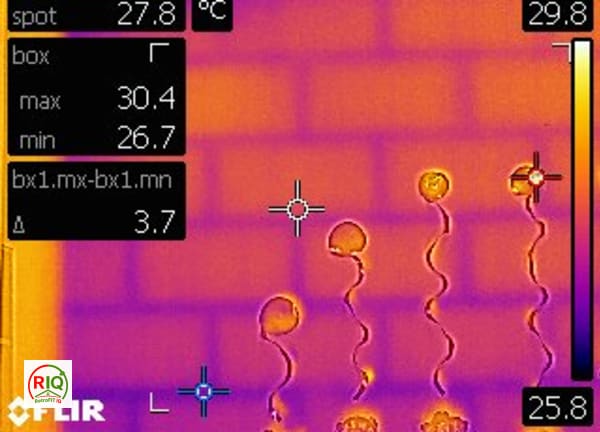
Thermal Bridging Visible Through Masonry Blockwork Wall
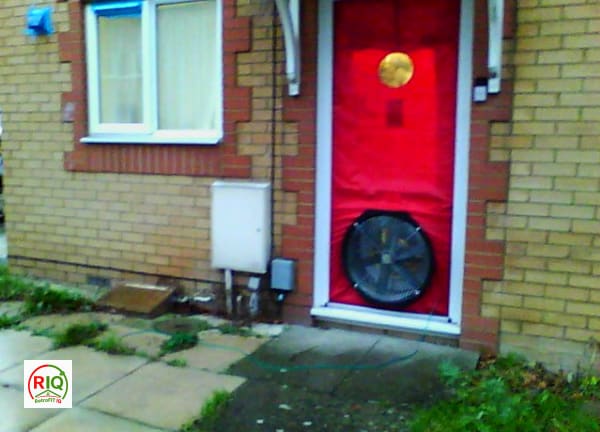
Blower Door Airtightness Test Setup

Sample Building Performance Investigation Report — Thermal Imaging

Calibrated blower door fan installed in the front doorway, sealed with the red airtight pa

Airtightness Testing in a Stratford Victorian Terrace

Ceiling / external-wall junction
No related investigations yet.
Browse all investigationsFrequently asked questions
Do I need MVHR or will extract fans do?+
It depends on your home's airtightness. In leakier homes, good extract plus background ventilation can be adequate; in airtight homes, MVHR delivers continuous filtered fresh air and recovers heat. The building, not preference, should decide.
Does MVHR work in any house?+
No — MVHR only performs efficiently in a reasonably airtight home. In a leaky one, air bypasses the unit through gaps, the heat-recovery benefit is lost and the system cannot balance. Airtightness comes first.
Are extract fans enough for my home?+
Often yes, in a leakier home with working extract and trickle vents. If condensation or stuffiness persists despite them, continuous or balanced ventilation may be needed.
What is the main advantage of MVHR?+
It supplies filtered fresh air everywhere and recovers most of the heat from the air it extracts, so an airtight home stays fresh without throwing heat away.
Is MVHR worth it in a retrofit?+
It can be, if the retrofit makes the home airtight. Ventilation and airtightness should be designed together; MVHR suits the tighter result, while a leakier home may be better with continuous extract.
What is the difference between MEV and MVHR?+
MEV (mechanical extract ventilation) continuously removes stale air from wet rooms, with fresh air drawn in elsewhere. MVHR adds a balanced fresh-air supply and heat recovery, suiting airtight homes.
How do you decide which system I need?+
We measure airtightness with a blower door test, log carbon dioxide and humidity to define the ventilation need, then recommend extract or MVHR sized and matched to your home.
Stop guessing — find the real cause
Do not spend money fixing symptoms before you understand the cause. Every home behaves differently, and the only reliable way to know what is happening in yours is professional building performance diagnostics. At RetrofitIQ we verify buildings using the right combination of investigations:
- Thermal imaging
- Blower door testing
- Moisture & dew point readings
- Ventilation review
- Building physics assessment
- Passive House methodology