
Do I need mechanical ventilation in my home?
Whether your home needs mechanical ventilation depends on how much moisture it produces, how airtight it is, and how well it can ventilate naturally. As homes are sealed up to save energy, the accidental draughts that used to carry away moisture and stale air disappear — so a tighter home increasingly needs deliberate, mechanical ventilation to stay healthy. The right answer ranges from improved extract fans, to a positive-input ventilation (PIV) unit, to whole-house mechanical ventilation with heat recovery (MVHR), and depends on measuring the home's actual conditions rather than guessing. The aim is controlled, adequate ventilation that removes moisture and pollutants without throwing away heat.
 Reviewed by George Sora, Certified Passive House DesignerUpdated June 2026
Quick answer & key takeaways
7 min read- The need for mechanical ventilation depends on airtightness, moisture and natural ventilation.
- Sealing a home up removes the accidental draughts that used to ventilate it.
- Options range from better extract fans to PIV to whole-house MVHR.
- The right choice comes from measuring humidity, CO₂ and air leakage, not guessing.
- Biggest misconception: opening windows is always enough. In a tight home it often isn't.
- RetrofitIQ's approach: measure the conditions, then specify the least intervention that works.
What this usually means
Older, leaky homes ventilated themselves by accident — air leaked in and out through countless gaps, carrying moisture and stale air away (and a lot of heat with it). As homes are draught-proofed, insulated and sealed to cut that heat loss, those accidental air paths close, and unless deliberate ventilation replaces them, moisture and pollutants build up: condensation, mould, stuffiness and poor air quality follow. So the more airtight a home becomes, the more it needs purpose-provided ventilation — and many condensation and mould problems are really ventilation problems created by sealing a home without replacing the air change it lost.
Mechanical ventilation comes in tiers. Good extract fans in kitchens and bathrooms, ideally humidity-controlled and continuous, remove moisture at source and suit many homes. A PIV unit gently pressurises the home with filtered air to dilute humidity and is a common retrofit for whole-house condensation and mould. Whole-house MVHR supplies fresh air to living spaces and extracts from wet rooms while recovering most of the heat from the outgoing air — the best solution for an airtight home, but only effective if the home is genuinely airtight and the system is well designed and commissioned. Natural ventilation through windows and trickle vents can be adequate in a leakier home but is hard to rely on for consistent air quality.
Deciding which you need is a measurement task. Logging indoor humidity and CO₂ shows whether ventilation is actually inadequate; a blower door test shows how airtight the home is and therefore how much it relies on accidental ventilation; and the moisture load — occupancy, drying washing, cooking — sets the demand. From that, the least intervention that delivers adequate, controlled ventilation can be specified: sometimes just better fans, sometimes PIV, sometimes MVHR. The goal is healthy air without the heat penalty of leaving windows open or living with draughts.
Common causes
Increasing airtightness
Sealing a home removes the accidental ventilation it used to rely on.
High moisture load
Occupancy, cooking and drying washing produce moisture that must be removed.
Inadequate natural ventilation
Closed windows and blocked trickle vents leave moisture trapped.
Poor or absent extract
Weak kitchen and bathroom fans fail to remove moisture at source.
Signs and symptoms
Persistent condensation and mould
Classic sign that ventilation is not keeping up with moisture.
Stuffy, stale air
Indicates inadequate air change and likely high CO₂.
Worsening damp after sealing works
Sealing without ventilation traps the moisture indoors.
Windows streaming each morning
Overnight moisture build-up that ventilation should remove.
What most people check first
- How airtight the home is and how much it relies on accidental ventilation.
- Indoor humidity and CO₂ over time to confirm ventilation is inadequate.
- The moisture load from occupancy, cooking and drying washing.
- Whether existing extract fans and trickle vents actually work.
What most people miss
- That sealing a home removes the ventilation it used to get for free.
- That opening windows is unreliable for consistent air quality.
- That many condensation problems are really ventilation deficits.
- That the right system depends on the home's airtightness.
The building physics
Ventilation balances the moisture and pollutants generated indoors against the rate of air change. A household produces several litres of water vapour a day, plus CO₂ and other pollutants; if the air-change rate is too low to remove them, humidity rises until it condenses on the coldest surfaces and air quality falls. In a leaky home, infiltration provides a large, uncontrolled air change that masks the problem at the cost of heat; as the home is sealed, that infiltration falls and the purpose-provided ventilation must rise to compensate. The crossover point — where a home needs mechanical help — depends on its airtightness and moisture load, which is why measuring both is essential before choosing a system.
The systems differ in how they manage the heat penalty. Extract fans and PIV move air and accept some heat loss; MVHR recovers most of the heat from the outgoing air, so an airtight home can be fully ventilated with little heat penalty — but MVHR only performs if the home is airtight enough that the controlled flow dominates over leakage, and if it is correctly designed, installed and commissioned. The rational approach is to measure the airtightness (blower door), log the humidity and CO₂, quantify the moisture load, and then specify the minimum effective ventilation: improving extract and natural ventilation where the home is leaky enough, PIV for many retrofit condensation problems, and MVHR where the home is airtight and the heat recovery is worth it.
How to decide on mechanical ventilation
Measure airtightness, humidity and CO₂, quantify the moisture load, then specify the least intervention — better fans, PIV or MVHR — that delivers controlled, adequate ventilation.
- 01
Measure the conditions
Log humidity and CO₂ to confirm whether ventilation is inadequate.
- 02
Test the airtightness
Establish how much the home relies on accidental ventilation.
- 03
Improve extract first
Fit effective, ideally continuous, humidity-controlled kitchen and bathroom fans.
- 04
Consider PIV for whole-house damp
Use positive-input ventilation where condensation and mould are widespread.
- 05
Specify MVHR for airtight homes
Use heat-recovery ventilation where the home is airtight and well sealed.
- 06
Commission and verify
Confirm the chosen system delivers the design airflow and controls humidity.
How to prevent it coming back
- Add controlled ventilation whenever you seal or insulate a home.
- Don't rely on opening windows for consistent air quality.
- Match the system to the home's airtightness and moisture load.
- Commission mechanical ventilation so it actually delivers its design flow.
How Retrofit IQ investigates this
We measure the conditions and airtightness so the right ventilation is specified, not guessed.
Do not spend money fixing symptoms before you understand the cause — investigate first, then build with confidence.
Do I need a professional investigation?
If your home suffers persistent condensation, mould or stuffiness — especially after sealing or insulation works — it is worth measuring the humidity, CO₂ and airtightness before buying any system. The data shows whether you need better fans, PIV or MVHR, so you fit the least intervention that delivers healthy air without wasting heat.
Get the right ventilation, measured not guessed
We measure humidity, CO₂ and airtightness so you fit the least intervention that delivers healthy air — better fans, PIV or MVHR.
- Humidity & CO₂ logging
- Airtightness test
- Ventilation specified to your home
Where to go next
Relevant services
Related comparisons
Evidence from Real Projects (13)
Real project and investigation images from our own fieldwork, matched to this page — not stock photography.
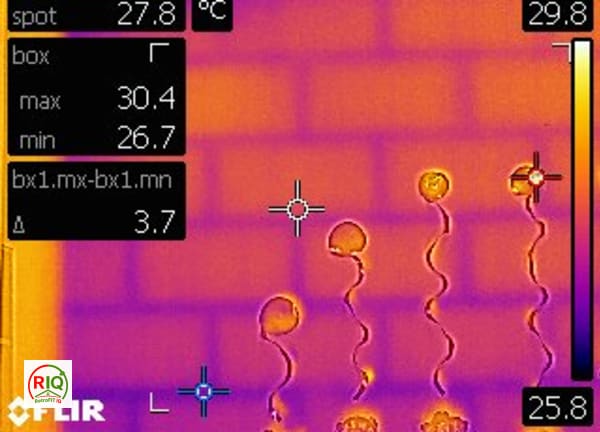
Thermal Bridging Visible Through Masonry Blockwork Wall

Sample Building Performance Investigation Report — Thermal Imaging

Airtightness Testing in a Stratford Victorian Terrace
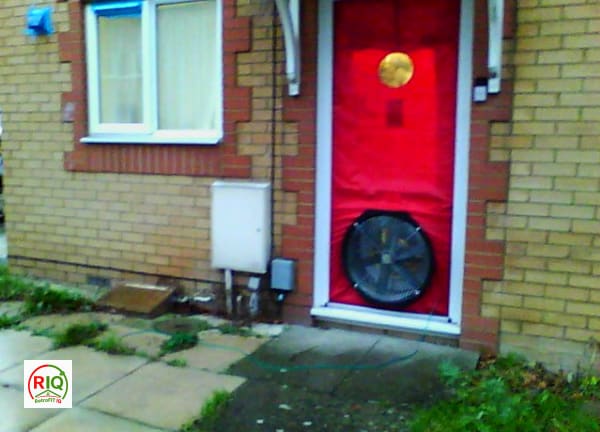
Blower Door Airtightness Test Setup

Thermal Bridge at Internal Corner Wall Junction

Thermal Bridge at Wall-Ceiling Junction Near Window
No related investigations yet.
Browse all investigationsFrequently asked questions
Do I need mechanical ventilation in my home?+
It depends on how airtight your home is, how much moisture it produces, and whether it can ventilate naturally. As homes are sealed to save energy, the accidental draughts that used to ventilate them disappear, so tighter homes increasingly need mechanical ventilation — better fans, PIV or MVHR — to stay free of condensation, mould and stale air.
Isn't opening windows enough?+
Sometimes in a leaky home, but it's unreliable for consistent air quality and wastes heat in winter. In a sealed, insulated home, occasional window-opening rarely keeps up with the moisture produced, which is why purpose-provided ventilation is usually needed.
What's the difference between PIV and MVHR?+
PIV gently pressurises the home with filtered air to dilute humidity — a common, affordable retrofit for whole-house condensation. MVHR supplies and extracts air throughout the home while recovering most of the outgoing heat — the best solution for an airtight home, but only effective if the home is genuinely airtight and the system is well designed and commissioned.
Will ventilation make my house cold?+
Not if it's the right type. Extract and PIV accept some heat loss, but MVHR recovers most of the heat from the outgoing air, so an airtight home can be fully ventilated with little heat penalty. The aim is healthy air without leaving windows open or living with draughts.
How do I know which system I need?+
Measure the conditions: log humidity and CO₂ to confirm ventilation is inadequate, test the airtightness, and assess the moisture load. From that, the least intervention that delivers adequate, controlled ventilation can be specified — sometimes just better fans, sometimes PIV, sometimes MVHR.
Stop guessing — find the real cause
Do not spend money fixing symptoms before you understand the cause. Every home behaves differently, and the only reliable way to know what is happening in yours is professional building performance diagnostics. At RetrofitIQ we verify buildings using the right combination of investigations:
- Thermal imaging
- Blower door testing
- Moisture & dew point readings
- Ventilation review
- Building physics assessment
- Passive House methodology