
Do I need an airtightness test for my extension?
A new extension may well need an airtightness test to satisfy Building Regulations, and even where it is not strictly required it is worth carrying out, because airtightness is one of the biggest factors in whether the new room is warm and comfortable or cold and draughty. Building Control increasingly expects new work to demonstrate its airtightness, and the energy calculations that justify the design often assume a level of airtightness that has to be proven on site. Beyond compliance, a test carried out as the extension is built locates leakage while it can still be sealed cheaply — turning an air test from a box-ticking exercise into the thing that ensures the extension actually performs.
 Reviewed by George Sora, Certified Passive House DesignerUpdated June 2026
Quick answer & key takeaways
9 min read- Many new extensions need an airtightness test to satisfy Building Regulations.
- The energy calculations often assume an airtightness that must be proven on site.
- Airtightness strongly affects whether the new room is warm or cold and draughty.
- Testing during construction lets leakage be sealed while it is cheap and accessible.
- Biggest misconception: an air test is just paperwork. It is what proves and secures performance.
- Retrofit IQ's approach: test to demonstrate compliance and to seal leakage before it is hidden.
What this usually means
When you build an extension, the work has to comply with Building Regulations, including the energy efficiency requirements, and demonstrating airtightness is an increasingly common part of that. The energy calculation that shows the extension meets the standard (the SAP or similar assessment) is based on assumed values, and the air permeability — how much air leaks through the envelope — is one of them. If the design assumed a reasonable airtightness to pass, Building Control may require an air test to confirm the building actually achieves it; without the test, the assumed figure is just a claim. So whether you 'need' a test depends on how the extension was designed and what your Building Control body requires, and it is worth establishing this early rather than at completion.
Even where a test is not mandated, airtightness is one of the strongest determinants of whether the extension is comfortable. Extensions are particularly prone to air leakage because they have many new junctions — where the new walls meet the existing house, the roof, the floor and the windows — and these junctions are exactly where gaps occur if the airtightness is not detailed and built carefully. A leaky extension feels cold and draughty however well it is insulated, because the leakage carries heat out and lets cold air in, and it can also let warm moist air into the structure, risking condensation. A new room that disappoints its owners by being cold is very often a room that leaks.
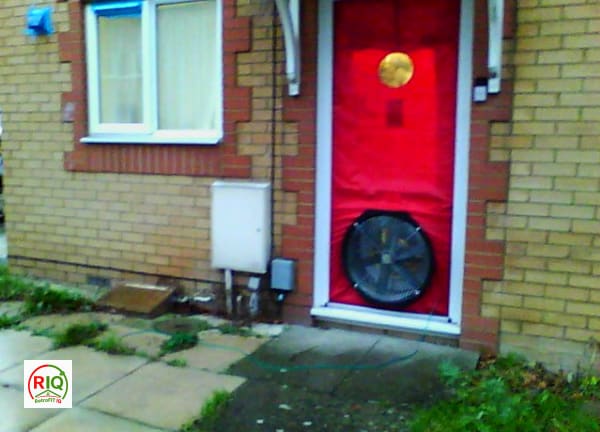
The real value of an air test, then, is in when it is done. Tested at completion, it confirms compliance and tells you whether the extension is airtight — but if it fails, the leakage paths are now hidden behind finishes and expensive to reach. Tested (or at least checked with a blower door and smoke) while the airtight layer is still accessible during construction, the leakage can be found and sealed cheaply and the final test passed with confidence. So the question is not only 'do I need a test for compliance?' but 'how do I make sure the extension is genuinely airtight?' — and the answer is to design for airtightness, build it carefully at the junctions, and test at the right stage. An assessment establishes what your project requires and ensures the test does its job rather than just generating a certificate.
Common causes
Building Regulations compliance
New extensions often must demonstrate airtightness to satisfy the energy requirements.
Assumed air permeability in the calculation
The energy calc assumes an airtightness that a test is needed to prove on site.
Many new junctions
Extensions have numerous new junctions where leakage occurs if not detailed.
Leakage at the connection to the house
The join between new and existing structure is a common, hidden leakage path.
Testing too late
Testing only at completion leaves any leakage hidden and costly to seal.
Signs and symptoms
Building Control asking for an air test
A request from Building Control confirms a test is required for compliance.
Energy calc assumes good airtightness
A design relying on a low air-permeability figure needs it proven by test.
New extension feels cold and draughty
A leaky finished extension shows airtightness was not achieved or tested.
Draughts at the new-to-old junction
Cold air at the connection to the house reveals leakage at the junction.
Condensation in the new structure
Warm moist air leaking into the build-up can cause condensation.
What most people check first
- Whether Building Control requires an air test for your extension.
- What air-permeability figure the energy calculation assumed.
- Whether the airtightness is being detailed and built at the junctions.
- Whether the test is timed to allow leakage to be sealed.
What most people miss
- That the energy calculation's assumed airtightness must be proven.
- That extensions leak most at their many new junctions.
- That a leaky extension is cold however well insulated.
- That testing during construction is cheaper than failing at completion.
The building physics
Air permeability — the leakage of air through the building envelope under a reference pressure — is a defined input to the energy compliance calculation for new work, and it materially affects the predicted heat demand. Because the calculation uses an assumed permeability to demonstrate compliance, that assumption must be substantiated where the regulations or the Building Control body require it, which a blower door (air permeability) test does by measuring the actual leakage. If the as-built permeability is worse than assumed, the extension does not in reality meet the performance the design claimed, so the test is the mechanism that connects the paper compliance to the physical building.
Extensions are intrinsically leakage-prone because airtightness is a property of continuity, and an extension multiplies the junctions where continuity is hard to maintain: the connection to the existing dwelling, the wall-to-roof and wall-to-floor junctions, service penetrations, and the window and door reveals. Air leakage through these paths is driven by wind and the stack effect and carries heat out of the new space, so a leaky extension underperforms its insulation and feels cold and draughty; the same paths can carry warm, moist internal air into the construction, where it may condense. Achieving a good result therefore depends on designing and building a continuous airtight layer through these junctions, not on the insulation alone.
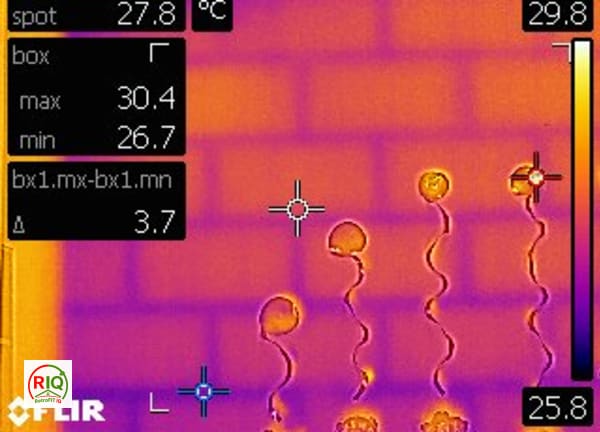
The timing of the test determines whether it merely records performance or actively secures it. Conducted at completion, the test certifies the achieved permeability but, on failure, the leakage paths are concealed behind finishes and costly to locate and seal. Conducted while the airtight layer is accessible — a blower door test with smoke or thermal tracing during construction — it reveals the leakage at the junctions so it can be sealed cheaply, and the final compliance test then passes reliably. The practical answer to whether an extension needs an air test thus has two parts: a compliance requirement set by the design assumptions and Building Control, and a performance imperative to design for airtightness and test at the right stage. An assessment establishes the requirement and ensures the test verifies and secures a genuinely airtight, comfortable extension rather than simply producing a certificate at the end.
How to handle airtightness testing for an extension
Establish whether a test is required, design and build for airtightness at the junctions, and test while the airtight layer is accessible so leakage can be sealed before it is hidden.
- 01
Confirm the requirement
Check with Building Control and the energy calculation whether an air test is required and to what figure.
- 02
Design the airtight layer
Plan a continuous airtight layer through the junctions to the existing house, roof, floor and openings.
- 03
Build the junctions carefully
Seal the connections and penetrations where extensions typically leak.
- 04
Test while accessible
Run a blower door test with smoke during construction to find and seal leakage cheaply.
- 05
Pass the compliance test
Carry out the final air permeability test to demonstrate the required airtightness.
- 06
Verify comfort and moisture safety
Confirm the extension is airtight, warm and not letting moist air into the structure.
How to prevent it coming back
- Design and build for airtightness at the new junctions.
- Establish the test requirement early, not at completion.
- Test while the airtight layer is accessible to seal leakage cheaply.
- Treat airtightness as essential to comfort, not just compliance.
How Retrofit IQ investigates this
We establish the airtightness requirement and test at the right stage, so the extension passes compliance and is genuinely airtight and comfortable.
Do not spend money fixing symptoms before you understand the cause — investigate first, then build with confidence.
Do I need a professional investigation?
If you are building an extension, it is worth establishing the airtightness requirement and testing strategy early. Confirming whether Building Control requires an air test and to what figure, and testing while the airtight layer is accessible, ensures the extension both passes compliance and is genuinely warm and draught-free — sealing leakage cheaply during construction rather than failing the test at completion with the paths hidden.
Where to go next
Relevant services
Related comparisons
From the Academy
Related case studies
Related problems you may also have
Evidence from Real Projects (19)
Real project and investigation images from our own fieldwork, matched to this page — not stock photography.



No related investigations yet.
Browse all investigationsFrequently asked questions
Do I need an airtightness test for my extension?+
Often, yes — many new extensions must demonstrate their airtightness to satisfy Building Regulations, especially where the energy calculation assumed a particular air-permeability figure to pass. Whether it is mandatory depends on the design and your Building Control body, so it is worth confirming early. Even where it is not required, testing is worthwhile because airtightness strongly affects whether the room is warm or draughty.
Why does the energy calculation matter?+
Because it uses an assumed air-permeability figure to show the extension meets the standard. If the design relied on a reasonable airtightness to pass, Building Control may require a test to prove the building actually achieves it — otherwise the figure is just a claim. The test connects the paper compliance to the real building.
Why are extensions so prone to leakage?+
Because airtightness depends on continuity, and an extension creates many new junctions — where it meets the existing house, the roof, the floor and the windows — which are exactly where gaps occur if the airtight layer is not detailed and built carefully. A leaky extension feels cold and draughty however well it is insulated.
When should the test be done?+
Ideally a check is done while the airtight layer is still accessible during construction, so any leakage can be found and sealed cheaply, with the final compliance test carried out at completion. Testing only at the end risks failing with the leakage paths hidden behind finishes and expensive to reach.
What if my extension is cold and draughty already?+
That suggests the airtightness was not achieved. A blower door test with smoke or thermal tracing locates the leakage — commonly at the junction with the existing house — so it can be sealed, improving the comfort and the performance even after completion, though it is cheaper to get right during the build.
How do you help with airtightness on an extension?+
We confirm the requirement with Building Control and the energy calculation, advise on the airtight detailing at the junctions, test with a blower door and smoke while the layer is accessible to seal leakage, and carry out the final compliance test — so the extension passes and is genuinely warm and draught-free.
Stop guessing — find the real cause
Do not spend money fixing symptoms before you understand the cause. Every home behaves differently, and the only reliable way to know what is happening in yours is professional building performance diagnostics. At RetrofitIQ we verify buildings using the right combination of investigations:
- Thermal imaging
- Blower door testing
- Moisture & dew point readings
- Ventilation review
- Building physics assessment
- Passive House methodology