
Why is my loft damp or musty?
A damp, musty loft is usually a condensation and ventilation problem, not a leaking roof: moist air from the house below rises through gaps in the ceiling into the cold loft, condenses on the cold underside of the roof and on the timbers, and — if the loft is poorly ventilated — that moisture lingers, dampening the insulation and timber and producing the characteristic musty smell. The cure is to stop the moist air getting up there and to keep the loft well ventilated, rather than assuming the roof has failed.
 Reviewed by George Sora, Certified Passive House DesignerUpdated June 2026
Quick answer & key takeaways
7 min read- A damp, musty loft is usually condensation, not a leaking roof.
- Moist house air rises into the cold loft and condenses on the roof and timbers.
- Poor or blocked loft ventilation lets the moisture linger and the musty smell develop.
- Sealing the ceiling against air leakage and restoring ventilation is the fix.
- Biggest misconception: a damp loft means the roof is leaking. Often it is condensing.
- Retrofit IQ's approach: stop the moist air, restore ventilation, and confirm the loft stays dry.
What this usually means
The loft is one of the coldest spaces in a house in winter, sitting above the insulation and exposed to the cold roof. The house below, meanwhile, is full of warm, moist air from cooking, washing, drying clothes and simply breathing. Wherever there are gaps in the ceiling — around the loft hatch, downlights, pipes, cables and junctions — that warm, humid air rises into the cold loft, where it meets the cold underside of the roof and the timbers and condenses, just as breath fogs a cold window. Over time this wets the insulation, the joists and the rafters.
Whether that condensation becomes a damp, musty problem depends largely on ventilation. A loft is meant to be ventilated — traditionally at the eaves and ridge — so that the small amount of moisture reaching it is carried away by airflow. But ventilation paths are often blocked: by insulation pushed into the eaves, by sealed-up vents, by the airtight membranes of modern roofs, or simply by an old roof that has been re-felted with an impermeable underlay. With the moisture entering but unable to escape, it accumulates, the timber and insulation stay damp, and mould and the musty smell develop.
So the diagnosis is usually a combination of too much moist air getting up and too little ventilation getting it out — and the fix addresses both. Sealing the ceiling against air leakage (the loft hatch, downlights and penetrations) stops most of the moisture entering; restoring or improving loft ventilation removes what remains; and reducing humidity in the house below helps further. It is important to distinguish this from a genuine roof leak, which follows rain and enters from above, because treating a condensation problem as a leak — or vice versa — wastes effort and leaves the loft damp.
Common causes
Moist house air leaking up
Warm, humid air rises through ceiling gaps into the cold loft and condenses there.
Blocked loft ventilation
Insulation in the eaves or sealed vents stop the airflow that should remove the moisture.
Impermeable roofing underlay
An old or sealed underlay traps moisture in the loft instead of letting it disperse.
Unsealed loft hatch and downlights
Gaps around the hatch, downlights and penetrations are major routes for moist air.
High household humidity
Excess moisture from drying washing or poor extract increases the air rising into the loft.
Signs and symptoms
Musty smell in the loft
A damp, musty odour signals moisture lingering in the insulation and timber.
Damp or wet insulation
Insulation that feels damp shows moisture is condensing and not being ventilated away.
Water droplets on the roof underside
Condensation beads on the felt or timbers confirm a condensation rather than a leak problem.
Mould on rafters or stored items
Mould growth in the loft reflects persistent damp from trapped moisture.
Damp worse in cold weather
Moisture appearing in winter, unrelated to rain, points to condensation, not a leak.
What most people check first
- Whether the damp is condensation or rain getting in from a roof leak.
- Whether the loft is adequately ventilated at the eaves and ridge.
- Whether the loft hatch, downlights and penetrations are letting moist air up.
- Whether household humidity is high from drying washing or poor extract.
What most people miss
- That a damp loft is usually condensation, not a roof leak.
- That blocked eaves ventilation is a common, hidden cause.
- That sealing the ceiling against air leakage stops most of the moisture.
- That household humidity below feeds the loft moisture above.
The building physics
A cold loft works as a moisture buffer only if it is ventilated. In winter the roof underside and timbers are cold, often below the dew point of the moist air that reaches them, so any humid air entering will condense. Loft ventilation — cross-flow from eaves vents, sometimes assisted at the ridge — dilutes and removes this moisture, keeping the relative humidity in the loft low enough that condensation does not accumulate. The whole strategy depends on a clear, continuous air path, which is easily and often unintentionally blocked.
The moisture supply comes from the house via air leakage through the ceiling. Warm indoor air is buoyant and, under the stack effect, is driven upward through every gap — the loft hatch, recessed downlights, pipe and cable penetrations and service holes. Each is a path for both heat and moisture, so an air-leaky ceiling delivers a continuous supply of humid air to the cold loft. Sealing these paths with an effective air barrier at ceiling level cuts the moisture entering the loft far more effectively than anything done within the loft itself.
Problems arise when supply outstrips removal: more moist air enters (leaky ceiling, high household humidity, blocked or absent ventilation) than the loft can disperse, so condensation persists, the materials stay damp, and mould and musty odours develop. The remedy follows directly — reduce the supply by sealing the ceiling and lowering indoor humidity, and increase removal by restoring eaves and ridge ventilation or, on sealed modern roofs, ensuring an appropriate ventilation or vapour-open strategy. Distinguishing this from a roof leak is essential, since the interventions are entirely different, and a moisture survey readily separates condensation from rain ingress.
How to dry out a damp, musty loft
Stop the moist air getting up and get the loft ventilated. Seal the ceiling against air leakage, restore loft ventilation, reduce household humidity, and confirm it is not a roof leak.
- 01
Confirm it is condensation
Establish that the damp is condensation rather than rainwater entering through a roof leak.
- 02
Seal the ceiling
Seal the loft hatch, downlights and penetrations so moist house air can no longer rise into the loft.
- 03
Restore loft ventilation
Clear blocked eaves, add ventilation as needed, and ensure a continuous air path through the loft.
- 04
Reduce household humidity
Improve extract in kitchen and bathroom and avoid drying washing indoors to cut the moisture supply.
- 05
Check the roofing underlay
Assess whether an impermeable underlay is trapping moisture and needs a ventilation strategy.
- 06
Verify the loft dries out
Re-check that the insulation and timbers dry and the musty smell clears after the work.
How to prevent it coming back
- Keep the ceiling airtight at the hatch, downlights and penetrations.
- Maintain clear eaves and ridge ventilation in the loft.
- Control household humidity with good extract and by not drying washing indoors.
- Avoid pushing insulation into the eaves and blocking the air path.
How Retrofit IQ investigates this
We confirm whether the loft is condensing or leaking, find where moist air enters, and check the ventilation.
Do not spend money fixing symptoms before you understand the cause — investigate first, then build with confidence.
Do I need a professional investigation?
A damp, musty loft is worth investigating to confirm it is condensation rather than a roof leak, and to find where the moist air enters and why it is not ventilating away. Diagnosing the air leakage and ventilation together ensures the loft is sealed and ventilated correctly so it stays dry, rather than guessing at a non-existent leak.
Where to go next
Relevant services
Related comparisons
From the Academy
Related case studies
Related problems you may also have
Evidence from Real Projects (22)
Real project and investigation images from our own fieldwork, matched to this page — not stock photography.

Sample Building Performance Investigation Report — Thermal Imaging
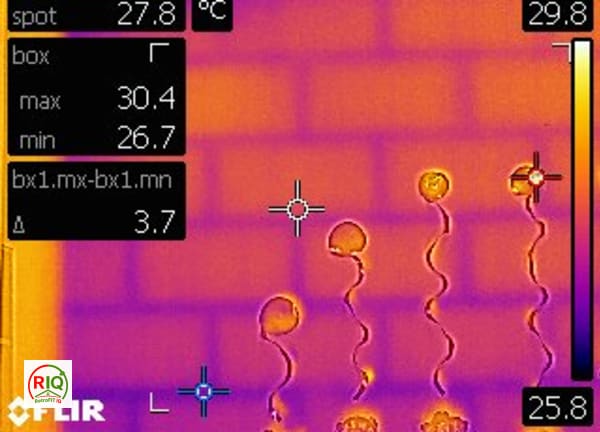
Thermal Bridging Visible Through Masonry Blockwork Wall
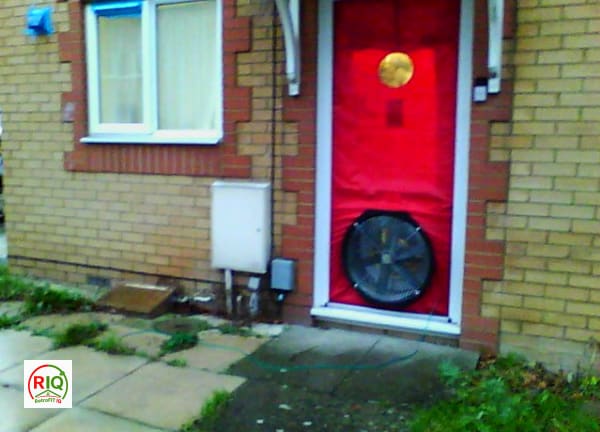
Blower Door Airtightness Test Setup

Bathroom

Airtightness Testing in a Stratford Victorian Terrace

Thermal Bridge at Internal Corner Wall Junction
No related investigations yet.
Browse all investigationsFrequently asked questions
Why is my loft damp or musty?+
Usually because moist air from the house rises through gaps in the ceiling into the cold loft and condenses on the roof and timbers, and poor loft ventilation lets the moisture linger. It is generally a condensation and ventilation problem, not a roof leak.
How do I know it's condensation, not a leak?+
Condensation produces damp insulation, water beading on the roof underside and a musty smell, is worse in cold weather and unrelated to rain. A leak follows rainfall and enters from above. A moisture survey readily distinguishes them.
Why is my loft so badly ventilated?+
Ventilation paths are often blocked by insulation pushed into the eaves, sealed-up vents, or an impermeable roofing underlay. Without a clear air path, moisture entering the loft cannot disperse and accumulates.
What stops moist air getting into the loft?+
Sealing the ceiling against air leakage — the loft hatch, recessed downlights, and pipe and cable penetrations — cuts the supply of humid air to the loft far more effectively than anything done within the loft itself.
Does drying washing indoors affect my loft?+
It can. Drying washing and poor extract raise household humidity, increasing the moist air that rises into the loft. Reducing indoor humidity helps keep the loft dry alongside sealing and ventilation.
Will more insulation fix a damp loft?+
Not by itself, and badly placed insulation can block eaves ventilation and make it worse. The damp is a moisture-and-ventilation problem; insulation must be combined with ceiling sealing and clear ventilation.
How do you diagnose a damp loft?+
We confirm it is condensation rather than a leak, use a blower door test and thermal imaging to find the ceiling air leakage, check the eaves and ridge ventilation, and specify sealing, ventilation and humidity control to keep the loft dry.
Stop guessing — find the real cause
Do not spend money fixing symptoms before you understand the cause. Every home behaves differently, and the only reliable way to know what is happening in yours is professional building performance diagnostics. At RetrofitIQ we verify buildings using the right combination of investigations:
- Thermal imaging
- Blower door testing
- Moisture & dew point readings
- Ventilation review
- Building physics assessment
- Passive House methodology