
Does drying clothes indoors cause condensation?
Yes — drying clothes indoors is one of the biggest hidden sources of moisture in a home, and a very common cause of condensation, damp and mould. A single load of wet washing releases a couple of litres of water into the air as it dries, and if that moisture is not ventilated away it raises humidity throughout the home and condenses on the coldest surfaces. It does not mean you cannot dry clothes inside, but it does mean doing so needs ventilation, or the moisture will show up as condensation elsewhere.
 Reviewed by George Sora, Certified Passive House DesignerUpdated June 2026
Quick answer & key takeaways
7 min read- Drying one load of washing indoors releases roughly two litres of water into the air.
- That moisture raises humidity and condenses on cold windows, walls and corners.
- It is a major, often-overlooked cause of condensation, damp and mould.
- Drying clothes inside is fine if the moisture is ventilated away.
- Biggest misconception: indoor drying is harmless. It is one of the largest moisture sources.
- Retrofit IQ's approach: identify moisture sources, then ventilate and warm surfaces to suit.
What this usually means
Wet washing dries because the water in it evaporates into the air of your home — so all of that water, often around two litres per load, ends up as water vapour indoors. Drying clothes on an airer, over the bath, or on radiators releases this moisture into the rooms, and drying on radiators is especially potent because the warmth speeds evaporation. Unless that vapour is removed by ventilation, it spreads through the house and raises the humidity everywhere, setting the stage for condensation wherever surfaces are cold.
This is why indoor drying so often shows up as condensation and mould somewhere quite separate from where the washing hangs. The extra moisture lifts the whole home's humidity, and the cold spots — bedroom windows, the corners of external walls, behind furniture, cooler rooms — are where it condenses and where mould eventually grows. People frequently treat the mould as the problem and never connect it to the laundry drying in another room, so it keeps returning despite cleaning, because the moisture source has not been addressed.
The point is not that you must never dry clothes indoors — for many households there is no alternative in winter — but that the moisture must be managed. Drying in a single, well-ventilated room with the door closed and a window or extractor open contains and removes the vapour; a vented or heat-pump tumble dryer, or a dehumidifier used while drying, removes it mechanically; and good background ventilation copes with the residual. Combined with warming the cold surfaces so they resist condensation, this lets you dry clothes inside without the damp and mould that unmanaged indoor drying causes.
Common causes
Evaporation from wet washing
A load of laundry releases around two litres of water into the indoor air as it dries.
Drying on radiators
The warmth speeds evaporation, releasing the moisture quickly into the room air.
No ventilation while drying
Without a window or extractor, the moisture spreads through the home and raises humidity.
Drying in cold or closed rooms
Drying in unventilated rooms lets humidity build and condense on cold surfaces.
Unvented tumble drying
A non-condensing or poorly vented dryer discharges moisture into the home.
Signs and symptoms
Condensation after laundry days
Windows misting and damp appearing when washing is dried indoors links the two directly.
Mould in cold spots
Mould in corners, behind furniture or on cold walls reflects raised humidity from drying.
Persistent high humidity
Humidity that stays high indoors points to a continuing moisture source such as indoor drying.
Damp, musty smell
A musty atmosphere on drying days indicates moisture accumulating in the air.
Mould returning despite cleaning
Mould that keeps coming back suggests an unaddressed moisture source like laundry drying.
What most people check first
- Whether washing is regularly dried indoors and where.
- Whether the drying room is ventilated with a window or extractor.
- Whether clothes are dried on radiators, releasing moisture quickly.
- Whether any tumble dryer is properly vented or a condensing type.
What most people miss
- That a single load of washing adds about two litres of water to the air.
- That the condensation often appears far from where the washing hangs.
- That mould returning despite cleaning can be driven by indoor drying.
- That drying inside is fine if the moisture is ventilated or removed.
The building physics
Drying clothes is a phase change that transfers the water held in the fabric into the room air as vapour, so the moisture load on the home rises by the full water content of the washing — typically a litre or two per load. This adds to the home's moisture balance, the difference between vapour generated indoors and vapour removed by ventilation. If generation outpaces removal, absolute humidity rises, and since condensation occurs wherever a surface is below the dew point of the air, the elevated humidity lowers the temperature at which any cold surface will condense, making condensation and mould more likely across the home.
Because vapour diffuses and is carried by air movement, the moisture released in one room does not stay there; it disperses and raises humidity generally, condensing preferentially on the coldest surfaces wherever they are. This decoupling of cause and effect — laundry in one room, mould in another — is why indoor drying is such a frequently missed cause: the symptom appears remote from the source. Tracking the home's humidity over time, and noting its rise on drying days, reveals the connection that visual inspection alone misses.
Managing it is a matter of controlling the moisture balance. Containing the drying in one ventilated room exhausts the vapour at source before it disperses; a condensing or heat-pump tumble dryer captures the water rather than releasing it; and a dehumidifier removes vapour mechanically as it is generated. Adequate background ventilation, ideally heat-recovery ventilation, raises the removal side of the balance continuously. Pairing these with warmer surfaces — so the dew point is harder to reach — gives a robust result. A diagnosis that quantifies the moisture sources and the ventilation shows how much extra removal a household's drying habits require to stay condensation-free.
How to dry clothes indoors without causing damp
Manage the moisture: contain and ventilate the drying, remove the vapour mechanically where needed, and keep surfaces warm so the extra humidity does not condense.
- 01
Contain the drying
Dry washing in one room with the door closed so the moisture does not spread through the home.
- 02
Ventilate that room
Open a window or run an extractor while drying so the vapour is carried away at source.
- 03
Use a condensing or vented dryer
A heat-pump or properly vented tumble dryer removes the water rather than releasing it indoors.
- 04
Run a dehumidifier
Where drying must be indoors, a dehumidifier removes the moisture from the air as it is generated.
- 05
Avoid drying on radiators in cold rooms
Drying on radiators in unventilated rooms releases moisture fast with nowhere to go.
- 06
Warm the cold surfaces
Insulate cold walls and improve glazing so the added humidity is less likely to condense.
How to prevent it coming back
- Dry washing in a single, well-ventilated room with the door shut.
- Use a condensing or heat-pump tumble dryer, or a dehumidifier.
- Provide good background ventilation, ideally heat-recovery.
- Warm cold surfaces so extra humidity does not condense on them.
How Retrofit IQ investigates this
We quantify the home's moisture sources, including indoor drying, and the ventilation removing them, then specify the balance.
Do not spend money fixing symptoms before you understand the cause — investigate first, then build with confidence.
Do I need a professional investigation?
If condensation or mould persists and washing is regularly dried indoors, it is worth quantifying the moisture sources and ventilation. Logging humidity around drying shows how much the laundry contributes, so the right combination of ventilation, mechanical drying and surface warming can keep the home dry.
Where to go next
Relevant services
Related comparisons
From the Academy
Related case studies
Evidence from Real Projects (12)
Real project and investigation images from our own fieldwork, matched to this page — not stock photography.
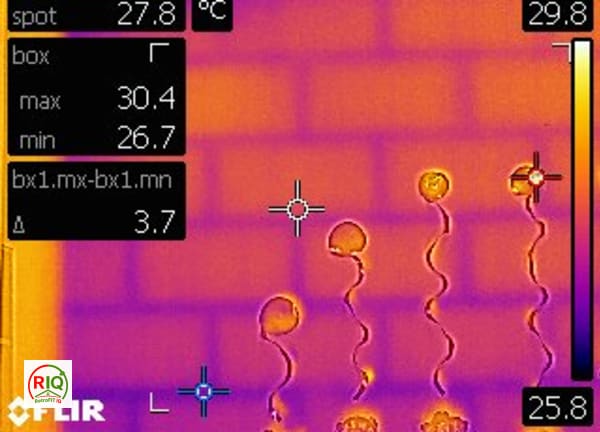
Thermal Bridging Visible Through Masonry Blockwork Wall

Sample Building Performance Investigation Report — Thermal Imaging

Thermal Bridge at Internal Corner Wall Junction

Thermal Bridge at Wall-Ceiling Junction Near Window

Airtightness Testing in a Stratford Victorian Terrace
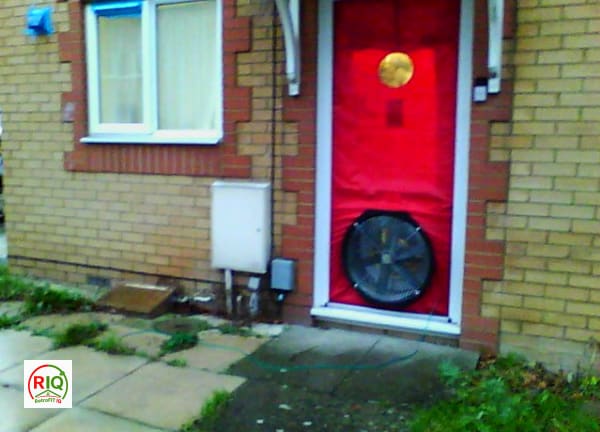
Blower Door Airtightness Test Setup
No related investigations yet.
Browse all investigationsFrequently asked questions
Does drying clothes indoors cause condensation?+
Yes — it is one of the biggest hidden moisture sources in a home. A single load of washing releases around two litres of water into the air as it dries, and if that is not ventilated away it raises humidity and condenses on cold windows, walls and corners.
How much moisture does drying washing add?+
Roughly two litres per load, all of which evaporates into the indoor air. That is enough to raise the home's humidity significantly and trigger condensation and mould on cold surfaces if it is not removed by ventilation.
Is drying clothes on radiators bad?+
It is especially potent because the warmth speeds evaporation, releasing the moisture quickly into the room. If the room is unventilated, that moisture spreads through the home and condenses elsewhere, so it is best avoided or paired with ventilation.
Why is there mould in a room where I don't dry clothes?+
Because the moisture from drying disperses and raises humidity throughout the home, condensing on the coldest surfaces wherever they are. So mould can appear in a room far from where the washing hangs, which is why the cause is often missed.
Can I dry clothes indoors without causing damp?+
Yes, if you manage the moisture: dry in one ventilated room with the door shut, use a condensing or heat-pump tumble dryer or a dehumidifier, provide good background ventilation, and keep surfaces warm so the humidity does not condense.
Will a dehumidifier help when drying clothes?+
Yes — a dehumidifier removes the moisture from the air as the clothes dry, which both speeds drying and prevents the humidity rising and condensing elsewhere. It is a practical option where drying must be indoors.
How do you tackle damp linked to indoor drying?+
We log the humidity to quantify how much the drying contributes, assess the ventilation, map the cold surfaces, and specify the right balance of ventilation, mechanical drying and surface warming to keep the home dry.
Stop guessing — find the real cause
Do not spend money fixing symptoms before you understand the cause. Every home behaves differently, and the only reliable way to know what is happening in yours is professional building performance diagnostics. At RetrofitIQ we verify buildings using the right combination of investigations:
- Thermal imaging
- Blower door testing
- Moisture & dew point readings
- Ventilation review
- Building physics assessment
- Passive House methodology