
Why do I get condensation in an unused or cold room?
An unused or unheated room often gets condensation precisely because it is cold: its surfaces sit well below the temperature of the rest of the home, while moist air from the heated, occupied rooms migrates into it and condenses on those cold walls and windows. Closing the door and turning off the heating to 'save energy' tends to make it worse, not better, because it creates the coldest surfaces in the house with no ventilation to remove the moisture that still finds its way in. The cure is gentle warmth and ventilation, not closing the room off.
 Reviewed by George Sora, Certified Passive House DesignerUpdated June 2026
Quick answer & key takeaways
7 min read- An unheated room has the coldest surfaces in the house, ideal for condensation.
- Moist air migrates into it from the warmer, occupied rooms and condenses.
- Closing the door and heating off makes it worse, not better.
- Gentle background warmth and ventilation prevent it.
- Biggest misconception: shutting a cold room off saves energy. It invites condensation and mould.
- Retrofit IQ's approach: keep cold rooms gently warm and ventilated, and warm the surfaces.
What this usually means
Condensation forms where moist air meets a surface below its dew point, so the coldest surfaces in a home are the most vulnerable — and an unheated, unused room provides exactly that. With its heating off, the room's walls, windows and corners cool to well below the temperature of the occupied rooms, especially on external walls. Meanwhile the rest of the house generates moisture from cooking, washing, drying and breathing, and that humid air does not respect closed doors: it migrates through gaps and whenever the door is opened into the cold room, where it readily condenses on the chilled surfaces.
Shutting the room up to save energy is therefore counter-productive. Turning off the heating maximises how cold the surfaces get, and closing the door removes what little ventilation the room had, so any moisture that enters is trapped against the coldest surfaces in the house. The result is often a spare bedroom or box room with streaming windows, damp external walls and mould in the corners and behind any stored furniture — a room that, ironically, has a worse condensation problem than the lived-in rooms precisely because it has been left cold and closed.
The remedy runs against the instinct to seal it off. Keeping the room gently warm — a low background heat rather than fully off — raises its surface temperatures above the dew point so moisture cannot condense; and providing some ventilation, such as a trickle vent left open or the door left ajar, lets moist air disperse rather than accumulate. Warming the cold surfaces themselves, by insulating external walls and improving glazing, makes the room robust against condensation. Together these keep an unused room dry without heating it as if it were occupied, which is far cheaper than dealing with the damp and mould that neglect causes.
Common causes
Very cold surfaces
With the heating off, the room's walls and windows become the coldest surfaces in the house.
Moist air migrating in
Humid air from the occupied rooms moves into the cold room and condenses there.
Heating turned fully off
Turning the heating off entirely maximises how cold the surfaces get.
Door closed, no ventilation
Shutting the room traps any moisture that enters against the cold surfaces.
Uninsulated external walls
Cold external walls in the room provide ready surfaces for condensation and mould.
Signs and symptoms
Streaming windows in a spare room
Heavy condensation on the windows of an unused room reflects its very cold surfaces.
Damp external walls
Damp on the cold external walls shows moist air condensing on them.
Mould in corners and behind furniture
Mould in the coldest spots confirms trapped, humid air on cold surfaces.
Worse than occupied rooms
A closed, cold room being damper than lived-in rooms reflects its cold, unventilated state.
Musty smell on opening the door
A musty atmosphere when entering indicates moisture has accumulated and condensed.
What most people check first
- Whether the room's heating is off, making its surfaces the coldest in the house.
- Whether moist air from the rest of the home migrates into it.
- Whether the room has any ventilation while closed.
- Whether its external walls are cold and uninsulated.
What most people miss
- That an unheated room has the coldest surfaces, so it condenses most.
- That moist air migrates into it from the warmer rooms.
- That closing it off to save energy makes condensation worse.
- That gentle warmth and ventilation prevent it cheaply.
The building physics
Condensation risk is governed by the relationship between a surface's temperature and the dew point of the air against it. An unheated room maximises that risk because its surfaces equilibrate toward outdoor temperature, particularly on external walls, giving the lowest surface temperatures in the dwelling. The dew point of the air, however, is set largely by the whole home's moisture, which migrates between rooms by diffusion and air movement, so the cold room is exposed to humid air at a dew point it cannot resist — condensation is then almost guaranteed on its coldest surfaces.
Isolating the room intensifies both factors. Removing the heat input drives the surface temperatures lower, widening the gap below the dew point, while closing the door removes the ventilation that would otherwise dilute and remove the migrating moisture, so humidity builds against the cold surfaces. The combination produces the characteristic outcome — a sealed, cold room that is damper than the occupied house — and demonstrates why the energy-saving instinct of shutting cold rooms off backfires in moisture terms.
The physics points directly to the remedy. Maintaining a low background temperature raises the surfaces above the dew point of the typical indoor air, so condensation cannot form even as moist air migrates in; providing modest ventilation removes that moisture before it accumulates; and improving the fabric — insulating external walls, upgrading glazing — raises the surface temperatures permanently, reducing the heat needed to keep the room safe. These measures keep an unused room dry at low cost, in contrast to the expensive damp and mould remediation that follows from leaving it cold and closed. A simple assessment of the room's surface temperatures, humidity and ventilation confirms the gentle warmth and airflow required.
How to stop condensation in an unused or cold room
Do the opposite of sealing it off: keep the room gently warm, give it some ventilation, and warm the cold surfaces so moisture cannot condense.
- 01
Keep a low background warmth
Leave the heating on a low setting rather than fully off so surfaces stay above the dew point.
- 02
Provide some ventilation
Leave a trickle vent open or the door ajar so moist air disperses rather than accumulating.
- 03
Don't seal the room off
Avoid closing the cold room up completely, which traps moisture against the coldest surfaces.
- 04
Insulate the external walls
Warm the cold external walls so their surfaces resist condensation permanently.
- 05
Improve the glazing
Upgrade cold windows so they no longer act as the coldest surface in the room.
- 06
Allow air around stored furniture
Keep gaps behind furniture on external walls so air circulates and surfaces stay warmer.
How to prevent it coming back
- Keep unused rooms gently warm rather than fully off.
- Give cold rooms some background ventilation.
- Avoid sealing cold rooms up to 'save energy'.
- Insulate external walls and improve glazing in cold rooms.
How Retrofit IQ investigates this
We assess the cold room's surface temperatures, humidity and ventilation to specify gentle warmth and airflow.
Do not spend money fixing symptoms before you understand the cause — investigate first, then build with confidence.
Do I need a professional investigation?
Condensation and mould in an unused or cold room are worth investigating when they persist, because the instinct to seal the room off makes it worse. Checking the room's surface temperatures, humidity and ventilation shows the gentle warmth and airflow needed to keep it dry without heating it as if occupied.
Where to go next
Relevant services
Related comparisons
From the Academy
Related case studies
Evidence from Real Projects (16)
Real project and investigation images from our own fieldwork, matched to this page — not stock photography.
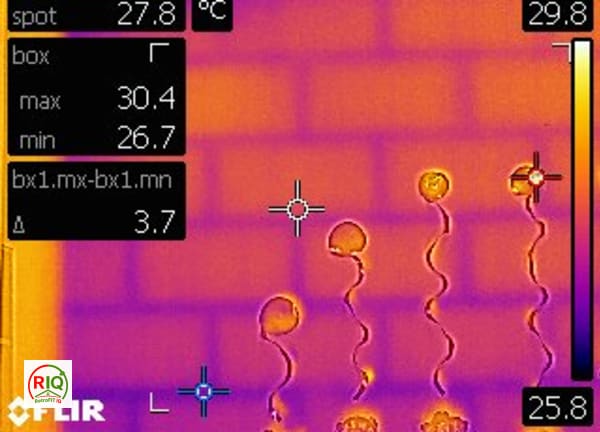
Thermal Bridging Visible Through Masonry Blockwork Wall

Sample Building Performance Investigation Report — Thermal Imaging

Thermal Bridge at Wall-Ceiling Junction Near Window

Thermal Bridge at Internal Corner Wall Junction

Airtightness Testing in a Stratford Victorian Terrace
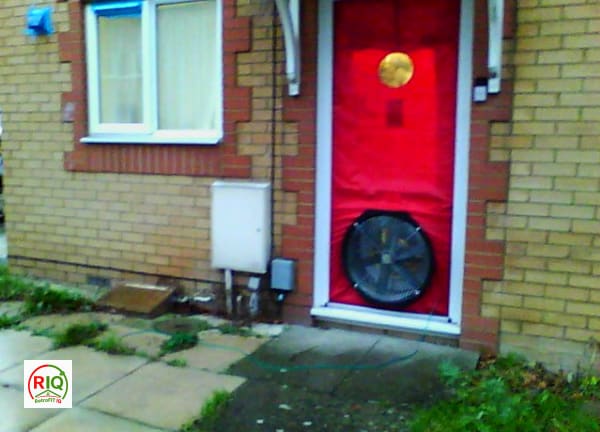
Blower Door Airtightness Test Setup
No related investigations yet.
Browse all investigationsFrequently asked questions
Why do I get condensation in an unused or cold room?+
Because with the heating off, the room's surfaces become the coldest in the house, while moist air from the warmer, occupied rooms migrates in and condenses on them. Closing the door and turning the heating off to save energy tends to make it worse, not better.
Doesn't turning the heating off in a spare room save energy?+
It saves a little heating, but it maximises how cold the surfaces get and removes ventilation, so moisture condenses and mould grows. The cost of remediating the damp usually far outweighs the small heating saving.
Why is my closed spare room damper than the rooms I use?+
Because it is colder and unventilated. Its cold surfaces meet humid air that migrates in from the rest of the home and condenses, while the lived-in rooms are warmer and better ventilated, so they resist condensation better.
How do I stop condensation in a cold room?+
Keep it gently warm rather than fully off so the surfaces stay above the dew point, provide some ventilation such as an open trickle vent, and warm the cold surfaces by insulating external walls and improving glazing.
Should I keep the door open or closed?+
Leaving the door ajar usually helps, as it lets moist air disperse and shares a little warmth, keeping surfaces above the dew point. Sealing the room completely traps moisture against the coldest surfaces.
Why is there mould behind furniture in the cold room?+
External walls behind furniture stay especially cold and the trapped air humid, so condensation and mould form there. Leaving a gap for air to circulate and warming the wall prevents it.
How do you keep an unused room dry?+
We assess the room's surface temperatures, humidity and ventilation, then specify gentle background warmth, some ventilation, and surface warming through insulation and glazing so the room stays dry at low cost.
Stop guessing — find the real cause
Do not spend money fixing symptoms before you understand the cause. Every home behaves differently, and the only reliable way to know what is happening in yours is professional building performance diagnostics. At RetrofitIQ we verify buildings using the right combination of investigations:
- Thermal imaging
- Blower door testing
- Moisture & dew point readings
- Ventilation review
- Building physics assessment
- Passive House methodology