
Why is my house too dry in winter?
A home often feels dry in winter for a simple, physical reason: cold outdoor air holds very little moisture, and when that air comes inside and is heated, its relative humidity falls sharply, leaving the indoor air dry. The colder it is outside, the more pronounced the effect. It is the reverse of the summer/condensation problem and usually nothing is wrong — but if the air is uncomfortably dry, the answer is gentle humidity management, not turning off ventilation, which would simply trade dryness for condensation.
 Reviewed by George Sora, Certified Passive House DesignerUpdated July 2026
Quick answer & key takeaways
7 min read- Cold winter air holds little moisture; heating it indoors drops the relative humidity.
- The colder it is outside, the drier the heated indoor air feels.
- It is the opposite of the condensation problem and usually not a fault.
- Reducing ventilation to fix it would trade dryness for condensation and poor air quality.
- Biggest misconception: dry air means a heating or ventilation fault. It is mostly physics.
- Retrofit IQ's approach: confirm it is the cold-air effect, then manage humidity gently and safely.
What this usually means
Air's capacity to hold water vapour rises steeply with temperature, so cold winter air, even at high relative humidity outdoors, contains very little actual moisture. When that cold, dry air enters the home — through ventilation and infiltration — and is warmed to room temperature, its capacity to hold moisture increases greatly, so its relative humidity falls. The same small amount of water is now spread through 'thirstier' warm air, and the indoor relative humidity can drop to levels that feel dry, dry the skin and throat, and cause static.
This is why homes feel driest in the coldest weather and in well-ventilated or draughty homes, where lots of cold outdoor air is being drawn in and heated. It is essentially the mirror image of the condensation story: in summer or in moisture-laden conditions, warm humid air meeting cold surfaces condenses; in winter, cold dry air being heated becomes low in relative humidity. In both cases it is the relationship between temperature and moisture-holding capacity that drives the felt effect, and in the winter-dryness case there is usually no fault at all.
Because it is largely physics, the response is gentle management rather than drastic change. It would be a mistake to reduce ventilation to keep humidity up, because adequate fresh air is essential and under-ventilating simply swaps winter dryness for condensation, stuffiness and poor air quality. Instead, modest measures help: not over-heating the air (a lower thermostat setting keeps relative humidity a little higher), allowing normal household moisture to humidify the air, houseplants, or where genuinely needed a humidifier used carefully to a sensible target. The aim is comfortable mid-range humidity without tipping into the conditions that cause condensation.
Common causes
Cold air holds little moisture
Outdoor winter air contains very little water vapour even when its relative humidity is high.
Heating lowers relative humidity
Warming that cold air indoors raises its capacity to hold moisture, so relative humidity falls.
High ventilation or draughts
Drawing in lots of cold outdoor air and heating it dries the indoor air further.
Over-heating the air
A high thermostat setting warms the air more, lowering relative humidity and increasing dryness.
Low indoor moisture generation
Few occupants or moisture sources mean little to offset the drying of heated incoming air.
Signs and symptoms
Dry skin, throat or eyes
Physical dryness indoors in cold weather reflects low indoor relative humidity.
Static electricity
Frequent static shocks are a classic sign of dry winter indoor air.
Driest in the coldest weather
Dryness worsening as it gets colder outside confirms the cold-air-heated effect.
Drying out of timber and plants
Shrinking timber and thirsty houseplants indicate persistently low humidity.
Comfortable again in milder weather
Dryness easing when it warms up outside shows it tracks the outdoor temperature.
What most people check first
- Whether the dryness worsens in colder weather (the cold-air effect).
- Whether the home is over-heated, lowering relative humidity further.
- Whether ventilation or draughts are high, drawing in lots of cold air.
- Whether humidity is genuinely low or simply feels dry.
What most people miss
- That winter dryness is mostly physics, not a heating or ventilation fault.
- That it is the mirror image of the condensation problem.
- That reducing ventilation to fix dryness causes condensation instead.
- That gentle measures — not over-heating, modest humidifying — are the answer.
The building physics
The driver is the steep, non-linear rise of air's saturation moisture content with temperature. Cold outdoor air at, say, near-freezing temperatures holds only a small absolute quantity of water vapour even at high outdoor relative humidity. When this air is brought indoors and heated to around 20°C, its saturation capacity multiplies, so the same absolute moisture represents a much lower relative humidity — frequently dropping into the 20–35% range in cold snaps, below the roughly 40–60% considered comfortable. The effect is purely thermodynamic and intensifies as the outdoor temperature falls.
Ventilation rate modulates it: the more cold, dry outdoor air is supplied and heated, the lower the indoor relative humidity, all else equal. This tempts some to reduce ventilation to retain humidity, but that is a false economy — ventilation is needed to control carbon dioxide, pollutants and, importantly, the moisture that does cause condensation; cutting it to raise winter humidity risks tipping the home into condensation and poor air quality. MVHR helps modestly here, as some heat-recovery systems also recover a degree of moisture, but the fundamental winter-dryness effect remains.
Management therefore aims for comfortable mid-range humidity without compromising ventilation. Avoiding over-heating keeps relative humidity a little higher for the same moisture, since less warming means less reduction in relative humidity; normal occupancy moisture, houseplants and unflued indoor activities add vapour; and a humidifier, used to a controlled target (not beyond the mid-range), can correct genuine discomfort. The key safeguard is not to over-humidify, which would recreate condensation risk on cold surfaces. An assessment that logs the indoor humidity against outdoor conditions confirms whether the dryness is simply the expected cold-air effect and what gentle measures restore comfort safely.
How to deal with a home that's too dry in winter
Manage humidity gently to a comfortable mid-range without cutting ventilation — avoid over-heating, allow normal moisture, and humidify carefully if genuinely needed.
- 01
Confirm it is the cold-air effect
Check the dryness tracks cold weather, so it is the expected heated-cold-air phenomenon.
- 02
Avoid over-heating
A slightly lower thermostat setting keeps relative humidity a little higher for the same moisture.
- 03
Keep ventilation adequate
Do not reduce ventilation to raise humidity, as that causes condensation and poor air quality instead.
- 04
Allow normal household moisture
Let everyday moisture and houseplants gently raise indoor humidity.
- 05
Humidify carefully if needed
Use a humidifier to a controlled mid-range target where dryness is genuinely uncomfortable.
- 06
Avoid over-humidifying
Keep within the comfortable range so you do not recreate condensation risk on cold surfaces.
How to prevent it coming back
- Avoid over-heating the air in cold weather.
- Keep ventilation adequate rather than cutting it for humidity.
- Use a humidifier only to a sensible mid-range target.
- Maintain comfortable humidity without tipping into condensation.
How Retrofit IQ investigates this
We confirm whether winter dryness is the expected cold-air effect and identify gentle measures to restore comfortable humidity safely.
Do not spend money fixing symptoms before you understand the cause — investigate first, then build with confidence.
Do I need a professional investigation?
If your home feels uncomfortably dry in winter, it is worth confirming it is simply the cold-air-heated effect rather than anything to fix in the heating or fabric, and finding the gentle measures that restore comfort. Logging indoor humidity against outdoor conditions shows whether to manage it with reduced heating, modest humidifying, or simply reassurance.
Where to go next
Relevant services
Related comparisons
From the Academy
Related case studies
Evidence from Real Projects (9)
Real project and investigation images from our own fieldwork, matched to this page — not stock photography.
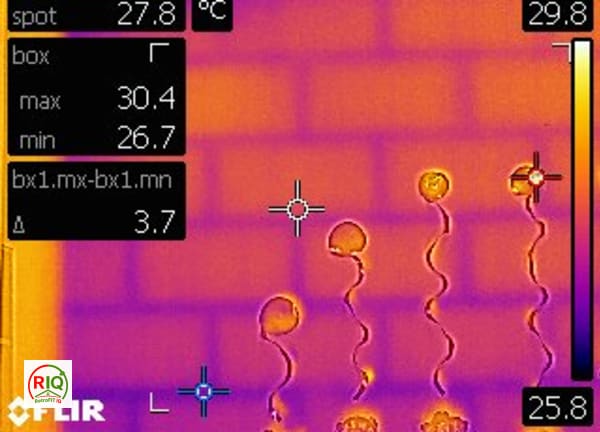
Thermal Bridging Visible Through Masonry Blockwork Wall

Sample Building Performance Investigation Report — Thermal Imaging

Thermal Bridge at Internal Corner Wall Junction

Thermal Bridge at Wall-Ceiling Junction Near Window
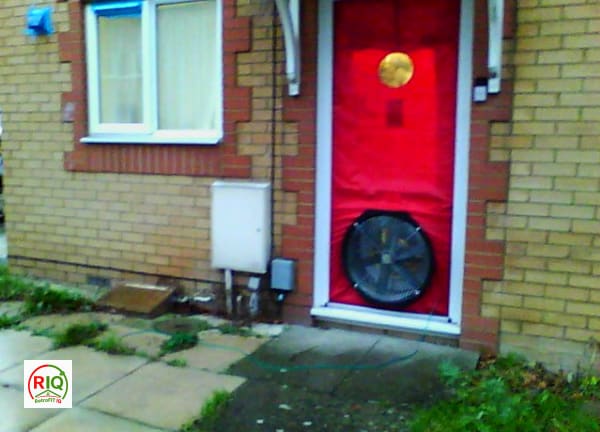
Blower Door Airtightness Test Setup
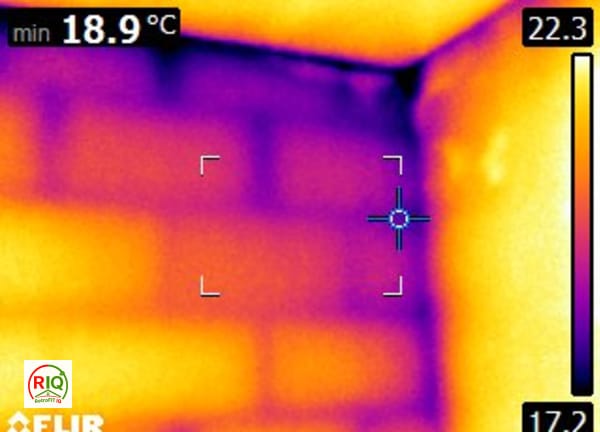
Cold wall surface vs warm ceiling
No related investigations yet.
Browse all investigationsFrequently asked questions
Why is my house too dry in winter?+
Because cold outdoor air holds very little moisture, and when it comes inside and is heated, its relative humidity falls sharply, leaving the indoor air dry. The colder it is outside, the more pronounced the effect — and usually nothing is wrong.
Is dry winter air a sign of a fault?+
Usually not. It is mostly physics — the mirror image of the condensation problem. Cold dry air being heated becomes low in relative humidity. It is rarely a heating or ventilation fault, though over-heating and high ventilation can intensify it.
Should I turn down my ventilation to fix dryness?+
No — that would trade dryness for condensation, stuffiness and poor air quality. Adequate ventilation is essential. Manage the dryness instead with gentle measures like not over-heating and modest humidifying.
What humidity should my home be in winter?+
Roughly 40–60% relative humidity is comfortable; in cold snaps homes often drop to 20–35%, which feels dry. The aim is to nudge it back toward the mid-range without over-humidifying and risking condensation.
Does turning the heating down help?+
A little — warming the air less means a smaller drop in relative humidity, so a slightly lower thermostat setting keeps the air feeling less dry for the same moisture content, as well as saving energy.
Are humidifiers a good idea?+
Used carefully to a sensible mid-range target, yes, where dryness is genuinely uncomfortable. The caution is not to over-humidify, which would recreate condensation risk on cold surfaces — so it is best managed to a controlled level.
How do you tell if my dry air is normal?+
We log the indoor humidity against the outdoor temperature to confirm it is the expected cold-air-heated effect, check the ventilation and heating, and recommend gentle measures to restore comfortable humidity without raising condensation risk.
Stop guessing — find the real cause
Do not spend money fixing symptoms before you understand the cause. Every home behaves differently, and the only reliable way to know what is happening in yours is professional building performance diagnostics. At RetrofitIQ we verify buildings using the right combination of investigations:
- Thermal imaging
- Blower door testing
- Moisture & dew point readings
- Ventilation review
- Building physics assessment
- Passive House methodology