
Should I insulate my concrete or solid floor?
A solid concrete ground floor can lose a meaningful amount of heat and feel cold underfoot, so insulating it is often worthwhile — but unlike a suspended timber floor, which can usually be insulated from below, a solid floor has to be insulated from above (raising the floor level) or as part of a larger dig-out, which makes the decision more involved. Whether it is worth it depends on how much heat the floor actually loses, the practicalities of raising the floor against doors, stairs and ceiling heights, and whether you are already planning works that make it easy. The right answer comes from weighing the heat loss against the disruption — ideally informed by a measurement of where the home loses heat.
 Reviewed by George Sora, Certified Passive House DesignerUpdated June 2026
Quick answer & key takeaways
8 min read- A solid concrete floor loses heat and feels cold, so insulating it can be worthwhile.
- Unlike a suspended floor, it is insulated from above or in a dig-out, not from below.
- Insulating above raises the floor level, with knock-on effects on doors and stairs.
- It is most cost-effective done during a refurbishment or new floor build-up.
- Biggest misconception: all floors insulate the same way. A solid floor is more involved.
- Retrofit IQ's approach: measure the floor's heat loss and weigh it against the disruption.
What this usually means
A ground floor loses heat to the ground beneath it, and a solid concrete floor — common in homes built from the mid-twentieth century onward, and where suspended floors have been replaced — usually has little or no insulation under the slab. The heat loss is greatest around the perimeter, where the floor meets the external walls and the warmth can escape to the colder ground and air outside, and the uninsulated slab also runs cold, which is why a solid floor can feel chilly underfoot even when the room is heated. Insulating it reduces that loss and warms the surface, improving both comfort and running cost.
The complication is how a solid floor has to be insulated. A suspended timber floor has a void beneath it, so insulation can often be added from below with relatively little disruption; a solid slab has no such access. The practical options are to add insulation on top of the existing slab with a new floor finish over it — which works well but raises the floor level, so doors have to be trimmed or rehung, skirtings and thresholds adjusted, and the change managed against stair bottoms and ceiling heights — or, where the floor is being replaced anyway, to dig out and rebuild the floor with insulation incorporated, which is more disruptive and costly but gives the best result. Insulating over the slab is therefore much easier to justify when the floor finish is being renewed in any case.
So whether to insulate a solid floor is a balance of benefit against disruption, and it is genuinely worth establishing the benefit first. If the floor is a significant part of the home's heat loss — a large ground-floor area, an exposed or ground-bearing slab, cold surfaces — insulating it during a refurbishment is a sound, lasting improvement. If the heat loss is modest and insulating means raising every floor and rehanging doors with no other works planned, the disruption may outweigh the gain, and other measures (walls, roof, airtightness) may give more for less. An assessment that measures where the heat actually goes lets you see how much the floor contributes and time the work for when it is least disruptive — rather than assuming a cold floor must be insulated regardless of cost.
Common causes
Uninsulated slab
A solid floor with no insulation under it loses heat to the ground and runs cold.
Perimeter heat loss
Heat escapes fastest where the floor meets the external walls at the perimeter.
No access from below
Unlike a suspended floor, a solid slab cannot be insulated from underneath.
Floor-height constraints
Insulating above raises the floor, affecting doors, stairs and thresholds.
Cold surface underfoot
An uninsulated slab feels cold even when the room is heated.
Signs and symptoms
Cold floor underfoot
A solid floor cold to the touch indicates an uninsulated slab losing heat.
Cold around the room edges
Chill at the perimeter reflects heat loss where the floor meets the walls.
Room slow to feel warm
A cold floor draws warmth from the room, making it slow to feel comfortable.
Planning to renew the floor
A floor being replaced is the ideal opportunity to insulate it.
High heat loss overall
Where the floor is a big part of the loss, insulating it is more worthwhile.
What most people check first
- How much heat the floor actually loses, especially at the perimeter.
- Whether the floor is solid (insulate above/dig out) or suspended (insulate below).
- Whether raising the floor level is feasible against doors and stairs.
- Whether a refurbishment makes insulating the floor easy.
What most people miss
- That a solid floor must be insulated from above or in a dig-out.
- That insulating above raises the floor with knock-on effects.
- That doing it during a refurbishment is far more cost-effective.
- That the floor's contribution to heat loss should be measured first.
The building physics
Heat loss through a ground floor is dominated by the path to the ground and, importantly, by the perimeter. The centre of a large slab loses heat slowly because the ground beneath stabilises near a moderate temperature, but the edges, where the floor meets the external walls and the ground close to the surface is colder, lose heat more readily — so floor heat loss scales with the perimeter-to-area ratio and is concentrated at the edges. An uninsulated slab also has a cold internal surface, producing radiant and conductive discomfort underfoot. Adding insulation reduces the U-value of the floor and raises its surface temperature, cutting both the loss and the discomfort, with edge (perimeter) insulation being particularly effective.
The construction dictates the method. A suspended floor's ventilated void permits insulation to be installed beneath the deck with modest disruption; a solid slab offers no underside access, so insulation is placed above the slab beneath a new finish, or the floor is excavated and rebuilt with insulation below or above a new slab. Insulating above the slab introduces a build-up thickness that raises the finished floor level, which must be reconciled with door heights, stair bottoms, thresholds and ceiling heights, and requires attention to the junction with the walls to avoid a thermal bridge or a step. The dig-out option avoids the height gain and can achieve a higher standard but is substantially more disruptive and costly.
The decision is therefore an optimisation of thermal benefit against cost and disruption, specific to the floor and the works planned. Quantifying the floor's contribution to the whole-house heat loss — through a heat-loss assessment and thermal imaging of the cold surfaces and perimeter — establishes how much insulating it would save, while the buildability assessment (floor-height tolerance, perimeter detailing, whether the finish is being renewed) establishes the cost and disruption. Where the floor is a significant loss and works are planned, insulating it is a durable, worthwhile improvement; where the loss is modest and the disruption high with no other works, the budget may be better directed at the walls, roof or airtightness. Measuring first ensures the floor is insulated when it genuinely pays and at the moment it is least disruptive, rather than as an automatic response to a cold floor.
How to decide whether to insulate a solid floor
Measure how much the floor loses, weigh the height and disruption of insulating above the slab, and time the work for a refurbishment where possible — prioritising perimeter detailing.
- 01
Measure the floor's heat loss
Establish how much the floor, especially the perimeter, contributes to the home's heat loss.
- 02
Confirm the floor type
Determine whether it is solid (insulate above or dig out) or suspended (insulate below).
- 03
Assess the height impact
Check whether raising the floor is feasible against doors, stairs, thresholds and ceilings.
- 04
Time it with other works
Insulate over the slab when the floor finish is being renewed, for best value.
- 05
Detail the perimeter
Insulate and detail the floor-to-wall junction to cut the dominant perimeter loss and avoid bridges.
- 06
Weigh against alternatives
Compare the floor's gain with insulating the walls, roof or airtightness if disruption is high.
How to prevent it coming back
- Insulate a solid floor during a refurbishment, not in isolation, where possible.
- Detail the perimeter junction to cut the dominant edge loss.
- Manage the floor-height change against doors and stairs.
- Prioritise by measured heat loss across all the elements.
How Retrofit IQ investigates this
We measure the floor's contribution to the home's heat loss so insulating it is judged on value and timed for least disruption.
Do not spend money fixing symptoms before you understand the cause — investigate first, then build with confidence.
Do I need a professional investigation?
If a solid floor feels cold or you are planning a refurbishment, it is worth measuring how much heat the floor actually loses before deciding to insulate it. A heat-loss assessment and thermal imaging show the floor's contribution and the perimeter losses, so insulating it can be judged against the disruption of raising the floor and against other measures — and timed for when it is least disruptive.
Where to go next
Relevant services
From the Academy
Related case studies
Evidence from Real Projects (22)
Real project and investigation images from our own fieldwork, matched to this page — not stock photography.
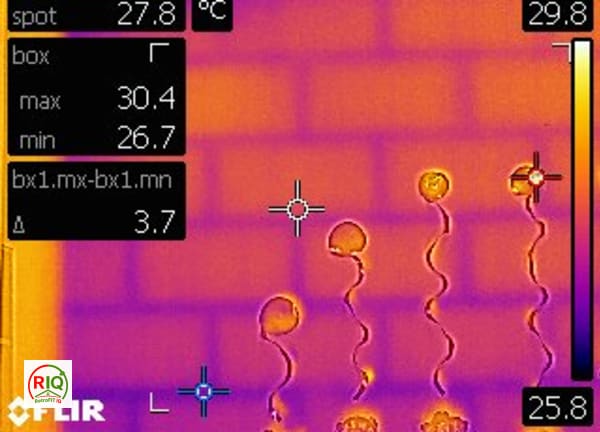
Thermal Bridging Visible Through Masonry Blockwork Wall

Thermal Bridge at Internal Corner Wall Junction

Sample Building Performance Investigation Report — Thermal Imaging

Acoustic Floor Upgrades: Mineral Wool Insulation Between Joists

Thermal Bridge at Wall-Ceiling Junction Near Window
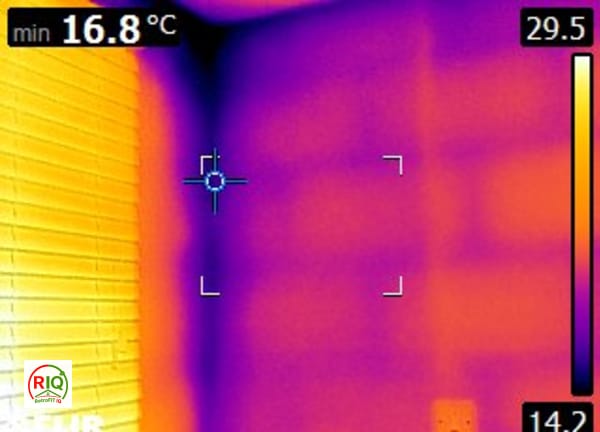
Internal wall / ceiling junction
No related investigations yet.
Browse all investigationsFrequently asked questions
Should I insulate my concrete or solid floor?+
Often worthwhile, because a solid floor loses heat and feels cold underfoot — but it is more involved than a suspended floor. A solid slab is insulated from above (raising the floor level, affecting doors and stairs) or by digging out and rebuilding, so the decision balances the heat loss against the disruption, and it is far easier to justify during a refurbishment.
Why can't I insulate it from below like a timber floor?+
Because a solid slab has no void beneath it to access, unlike a suspended timber floor with its ventilated underfloor space. So the insulation has to go on top of the slab under a new finish, or the floor must be dug out and rebuilt — which is what makes a solid floor more disruptive to insulate.
Will insulating the floor raise its level?+
If you insulate over the existing slab, yes — the insulation and new finish add thickness, so doors may need trimming or rehanging, and skirtings, thresholds and the junction with the stairs adjusting. The dig-out option avoids the height gain but is more disruptive and costly.
When is it most worth doing?+
When the floor is a significant part of the home's heat loss, and especially when the floor finish is being renewed anyway as part of a refurbishment — that makes insulating over the slab much more cost-effective than doing it as a standalone job.
Does the perimeter matter most?+
Yes. Floor heat loss is concentrated at the perimeter, where the floor meets the external walls and the ground is colder, so insulating and detailing the floor-to-wall junction is particularly effective and avoids a thermal bridge or a cold step.
How do you decide if it's worth it for my home?+
We measure how much heat the floor loses relative to the walls, roof and air leakage, map the cold surface and perimeter with thermal imaging, and assess the build-up options and height impact — so insulating the floor is judged on value and timed for when it is least disruptive.
Stop guessing — find the real cause
Do not spend money fixing symptoms before you understand the cause. Every home behaves differently, and the only reliable way to know what is happening in yours is professional building performance diagnostics. At RetrofitIQ we verify buildings using the right combination of investigations:
- Thermal imaging
- Blower door testing
- Moisture & dew point readings
- Ventilation review
- Building physics assessment
- Passive House methodology