
The symptoms
- Floorboards that feel cold underfoot even when the room is heated
- Draughts felt at skirting level and around the edges of the room
- A cold 'pool' of air near the floor while head height feels warmer
- Cold ground-floor rooms above an air-bricked sub-floor void
The building physics: a cold void and the stack effect
Most pre-1970s homes have suspended timber ground floors sitting over a ventilated void. The void must stay ventilated — air bricks keep it dry and prevent timber decay — but with no insulation between the joists, that cold, moving air chills the floor from below. Heat is lost downward by conduction, and cold air is drawn up through gaps between the boards and at the skirting perimeter by the 'stack effect': warm air rising in the heated rooms above pulls cold air in low down.
Solid concrete ground floors can also be cold, especially older slabs cast directly on the ground with no insulation underneath. They feel cold because they conduct heat straight into the earth and have a large thermal mass that stays cool.
The likely causes
- No insulation between the floor joists, over a cold ventilated void
- Gaps between floorboards and at the floor-to-wall (skirting) perimeter
- Air leakage drawing cold air up into the room (stack effect)
- Solid concrete floors with no insulation, sitting cold against the ground
Why carpet and underlay alone aren't the answer
Thick carpet and underlay make a floor feel warmer underfoot and slow the draughts a little, but they do not stop the heat loss into the cold void below, and they do not seal the perimeter air paths. They treat the sensation, not the cause. The durable fix is to insulate between the joists and seal the floor perimeter, so the heat stays in the room and the draughts stop.
Common mistakes homeowners make
- Blocking sub-floor air bricks to stop draughts, which risks timber decay
- Laying thick underlay and carpet as the only measure (helps comfort, not heat loss)
- Insulating between joists but leaving the perimeter air-leakage paths open
- Using a non-breathable build-up that traps moisture in the timber
How RetrofitIQ investigates cold floors
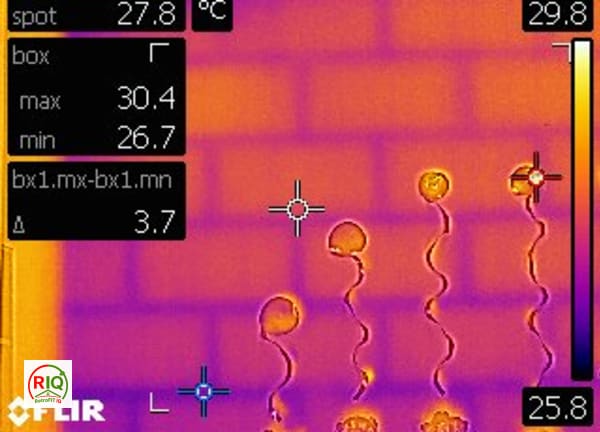
- Thermal imaging at floor and skirting level to map cold zones and draught paths
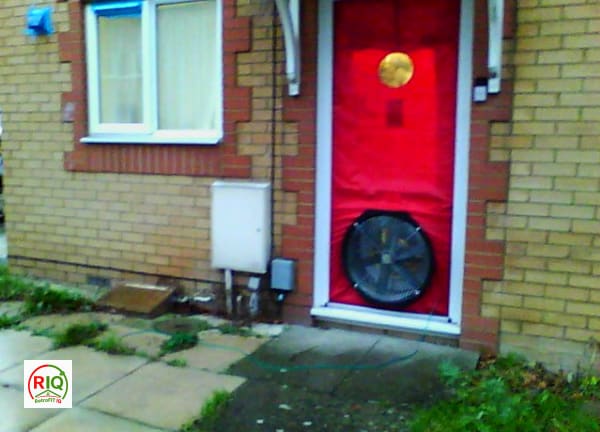
- Blower door testing with smoke to confirm air is being drawn up through the floor
- Inspection of the sub-floor void, joists and existing insulation where accessible
- A specification for insulation between joists plus continuous perimeter air-sealing, keeping the void ventilated
- Optional verification re-test after the works to prove the improvement