
Should I insulate my floor?
Floor insulation can make a real difference to comfort and heat loss, but whether it is worth it — and how to do it — depends on your floor type, how much it is losing, and the moisture conditions below. Done well it warms cold floors and cuts draughts; done without regard to ventilation and moisture it can cause problems. Deciding sensibly means understanding what your floor is and measuring what it is actually losing.
 Reviewed by George Sora, Certified Passive House DesignerUpdated June 2026
Quick answer & key takeaways
7 min read- Floor insulation improves comfort and reduces heat loss when done correctly.
- The right method differs for suspended timber and solid ground floors.
- On suspended floors, insulation and air-sealing work best together.
- Under-floor ventilation and moisture must be protected when insulating.
- Biggest misconception: floor insulation is always disruptive and not worth it. Often it is very worthwhile.
- Retrofit IQ's approach: measure the loss and assess moisture before recommending a method.
What this usually means
Whether to insulate a floor is partly a comfort question and partly an energy one. A cold, uninsulated ground floor loses heat continuously to the ground or ventilated void below and feels cold underfoot; insulating it raises the surface temperature and cuts the loss, which is often one of the more noticeable comfort improvements because you are in direct contact with the floor. So for many homes the answer is yes — but the right method depends on the floor.
Suspended timber floors can usually be insulated between or beneath the joists, frequently from below if there is access, and this pairs naturally with sealing the board gaps to stop draughts. Solid floors are harder: insulation generally has to go over the existing slab (raising the floor level) or, in larger projects, be part of a new floor build-up. The disruption and cost differ, so the decision balances the comfort and energy gain against the work involved — which is why knowing your floor type is the first step.
Moisture and ventilation are the constraints that make floor insulation a building-physics decision rather than a simple one. On a suspended floor the void must stay ventilated so the timbers do not become damp once insulation is added; on a solid floor the build-up must manage moisture from the ground. Measuring the heat loss tells you how much there is to gain, and assessing the moisture conditions ensures the insulation method chosen is safe as well as effective.
Common causes
Cold, uninsulated floor losing heat
An uninsulated ground floor conducts heat away continuously, the loss that insulation is there to cut.
Draughts alongside the cold floor
On suspended floors, draughts through board gaps accompany the heat loss and are best addressed together.
Floor type limiting the method
Suspended floors can be insulated between or below joists; solid floors usually need insulation over the slab.
Moisture in the void or ground
Damp below the floor must be managed so insulation does not trap moisture against the timbers or slab.
Access and disruption
How easily the floor can be reached affects the practicality and cost of the chosen method.
Signs and symptoms
Cold floors underfoot
Persistently cold floors are the clearest sign that insulation would improve comfort.
Draughts at floor level
Floor draughts indicate a suspended floor that would benefit from insulation plus sealing.
High heat loss measured at the floor
Thermal imaging showing strong floor loss confirms the potential gain from insulating.
A cold room hard to heat
Rooms that stay cool near the floor suggest worthwhile floor improvement.
Damp or musty void below
Signs of moisture below mean the method must manage damp, not that insulation should be avoided.
What most people check first
- Whether the floor is suspended timber or solid, and whether there is access below.
- How much the floor is actually losing, measured rather than assumed.
- Whether there are draughts to address alongside insulation.
- Whether the void or ground below is dry or shows moisture.
What most people miss
- That the best insulation method depends on the floor type.
- That insulation and air-sealing belong together on suspended floors.
- That under-floor ventilation and moisture must be protected.
- That measuring the loss shows whether the gain justifies the work.
The building physics
Insulating a floor adds thermal resistance between the warm room and the cold zone below, reducing conductive heat loss and raising the floor's internal surface temperature. The comfort benefit is amplified by contact: because you lose heat to the floor by conduction, a warmer surface feels disproportionately better than the modest change in air temperature would suggest. The energy benefit depends on how much the floor was losing, which is set by its area, its starting resistance and the temperature difference to the ground or ventilated void — all measurable.
On suspended timber floors, insulation and air-tightness act together. Insulation between or below the joists cuts conduction, while sealing the board gaps and perimeter cuts the convective draught from the ventilated void; doing both gives a far better result than either alone. Crucially, the void must remain ventilated after insulating so the joists stay dry — insulation is placed to keep the timbers on the warm, dry side and the ventilation path open, which is a detailing decision, not an afterthought.
On solid floors the physics is conduction to the ground plus management of ground moisture. Insulation is usually added above the slab with a suitable moisture control layer, raising the floor level, or incorporated into a new floor in larger works. The build-up must keep the insulation dry and avoid trapping moisture rising from the ground. Measuring the heat loss and assessing the moisture conditions lets the method be chosen so it is both effective and durable — which is what turns 'should I insulate my floor?' into a clear, evidence-based decision.
How to decide on floor insulation
Establish the floor type, measure the loss and check the moisture conditions, then choose a method that insulates safely — pairing it with air-sealing on suspended floors.
- 01
Identify the floor and access
Determine whether the floor is suspended or solid and how it can be reached, which sets the practical options.
- 02
Measure the loss
Use thermal imaging and, on suspended floors, a blower door test to quantify the heat loss and draughts.
- 03
Assess moisture and ventilation
Check the void or ground for damp so the method keeps timbers and build-ups dry.
- 04
Insulate appropriately
Insulate between or below joists on suspended floors, or over the slab on solid floors, with correct moisture detailing.
- 05
Seal draughts on suspended floors
Combine insulation with sealing the board gaps and perimeter while keeping the void ventilated.
- 06
Verify the result
Re-check floor surface temperature and draughts to confirm the comfort and energy gain.
How to prevent it coming back
- Plan floor insulation with ventilation and moisture in mind from the start.
- Pair insulation with air-sealing on suspended timber floors.
- Keep the under-floor void ventilated after insulating.
- Use moisture-appropriate build-ups on solid floors.
How Retrofit IQ investigates this
We measure the floor's loss and assess moisture so the insulation method is effective and safe.
Do not spend money fixing symptoms before you understand the cause — investigate first, then build with confidence.
Do I need a professional investigation?
Before insulating a floor, it is worth measuring how much it is losing and assessing the moisture conditions below — so you choose a method that delivers the comfort and energy gain safely, rather than insulating in a way that traps moisture or leaves draughts unaddressed.
Where to go next
Relevant services
Related comparisons
From the Academy
Evidence from Real Projects (22)
Real project and investigation images from our own fieldwork, matched to this page — not stock photography.
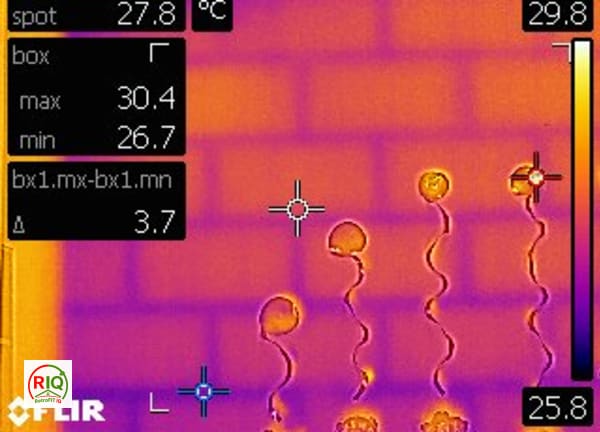
Thermal Bridging Visible Through Masonry Blockwork Wall

Sample Building Performance Investigation Report — Thermal Imaging
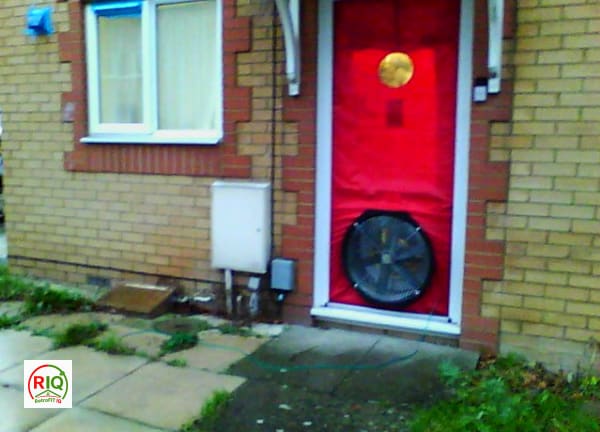
Blower Door Airtightness Test Setup

Acoustic Floor Upgrades: Mineral Wool Insulation Between Joists

Thermal Bridge at Internal Corner Wall Junction

Airtightness Testing in a Stratford Victorian Terrace
No related investigations yet.
Browse all investigationsFrequently asked questions
Should I insulate my floor?+
For many homes with cold, uninsulated ground floors, yes — it improves comfort and cuts heat loss. The right method depends on whether the floor is suspended or solid, and it must be done with ventilation and moisture in mind.
Is floor insulation worth it?+
Often very much so, because you feel a warm floor directly and because an uninsulated ground floor loses heat continuously. Measuring the loss shows the size of the gain for your home.
How do you insulate a suspended timber floor?+
Usually with insulation between or beneath the joists, often from below where there is access, combined with sealing the board gaps — while keeping the under-floor void ventilated so the timbers stay dry.
Can a solid floor be insulated?+
Yes, generally by adding insulation over the slab with a moisture control layer (raising the floor level) or as part of a new floor build-up in larger works. The build-up must manage ground moisture.
Will floor insulation cause damp?+
Not if it is detailed correctly — keeping suspended-floor voids ventilated and managing ground moisture on solid floors. Problems arise only when ventilation is blocked or moisture is trapped.
Should I insulate or just seal the draughts?+
On a suspended floor the two work best together: insulation warms the surface and cuts loss, sealing stops the draught. Measuring shows the balance for your floor.
How do you decide the right method?+
We identify the floor type and access, measure the heat loss and draughts, assess the moisture conditions, then recommend an insulation method and detailing that is effective and safe.
Stop guessing — find the real cause
Do not spend money fixing symptoms before you understand the cause. Every home behaves differently, and the only reliable way to know what is happening in yours is professional building performance diagnostics. At RetrofitIQ we verify buildings using the right combination of investigations:
- Thermal imaging
- Blower door testing
- Moisture & dew point readings
- Ventilation review
- Building physics assessment
- Passive House methodology