
Do I have damp under my floorboards?
Damp under the floorboards of a suspended timber floor usually shows up as a musty smell, cold or damp-feeling floors, or — in worse cases — soft, decaying timber. It is generally caused by poor under-floor ventilation, ground moisture in the void, or blocked air bricks, and left unchecked it can rot the floor structure. Confirming whether you have it, and why, is the first step to protecting the floor.
 Reviewed by George Sora, Certified Passive House DesignerUpdated June 2026
Quick answer & key takeaways
6 min read- Damp under floorboards typically means moisture trapped in a poorly ventilated void.
- A musty smell rising through the floor is a classic early sign.
- Blocked air bricks and ground moisture are common causes.
- Left unchecked, under-floor damp can rot the joists and boards.
- Biggest misconception: a smell from the floor is harmless. It often signals a damp void.
- Retrofit IQ's approach: assess ventilation and moisture in the void before damage occurs.
What this usually means
A suspended timber floor depends on the void beneath it being well ventilated so that moisture — from the ground, from the air, or from any small leaks — is carried away and the timbers stay dry. When that ventilation is inadequate or blocked, moisture accumulates in the void: the air stays humid, the ground beneath may be damp, and the timbers absorb moisture. The first signs are usually a musty smell rising into the room and floors that feel cold and damp.
Several things cause it. Air bricks blocked by debris, soil, paving or by well-meaning draught-proofing cut off the ventilation; high external ground levels or poor drainage let ground moisture into the void; and a void with little cross-flow simply cannot dry. Because the void is hidden, the problem develops unseen, which is why the smell and the feel of the floor are important early warnings before any structural damage shows.
The risk is to the floor structure itself. Sustained damp encourages decay in the joists and boards, which weakens the floor and is expensive to repair. So under-floor damp is worth taking seriously early: confirming whether the void is genuinely damp, identifying why the moisture is accumulating, and restoring ventilation and managing the moisture source protects the floor long before it reaches the point of rot.
Common causes
Blocked or insufficient air bricks
Air bricks blocked by debris, soil, paving or sealing cut off the ventilation the void needs to stay dry.
Ground moisture in the void
Damp ground beneath the floor, or poor drainage, raises the humidity in the void.
Poor cross-ventilation
A void with little airflow cannot carry moisture away, so it accumulates.
High external ground levels
Soil or paths above the internal floor level drive moisture toward and into the void.
Leaks into the void
Plumbing leaks or water ingress add moisture directly to the under-floor space.
Signs and symptoms
A musty smell from the floor
A musty odour rising into the room is a classic sign of a damp under-floor void.
Cold, damp-feeling floors
Floors that feel cold and slightly damp can reflect high humidity in the void below.
Soft or springy floorboards
Boards or joists that feel soft or give underfoot may indicate decay from sustained damp.
Visible mould or staining on timbers
Mould or dark staining on the underside of boards or joists confirms a damp void.
Blocked or buried air bricks
Air bricks covered by soil, paving or debris show the ventilation has been cut off.
What most people check first
- Whether there is a musty smell rising through the floor.
- Whether the air bricks are clear or blocked by soil, paving or debris.
- Whether external ground levels are high against the wall.
- Whether any floorboards feel soft or springy underfoot.
What most people miss
- That a musty floor smell often signals a damp under-floor void.
- That blocked air bricks are a common and reversible cause.
- That sustained void damp can rot the floor structure.
- That assessing the void early prevents expensive repairs.
The building physics
The under-floor void of a suspended floor is a small, enclosed climate that relies on ventilation to stay dry. Moisture enters from the ground by evaporation, from humid outside air, and occasionally from leaks; ventilation through the air bricks carries it away. The balance is delicate: if the ventilation is reduced — by blocked air bricks or a void with poor cross-flow — the moisture-in exceeds moisture-out, the void air humidity rises, and the timbers, which exchange moisture with that air, take up water and stay damp.
Damp timber is vulnerable timber. Sustained high moisture content in joists and boards creates the conditions for decay, which progressively weakens the structure. Because the process is slow and hidden, it often advances unseen until the floor feels soft or a strong smell develops, by which point repairs may be significant. The early indicators — smell, a cold damp feel, visible staining on the underside of boards — are therefore valuable signals to investigate before structural harm occurs.
Putting it right follows the moisture balance: increase the moisture leaving (restore and improve ventilation by clearing and, if needed, adding air bricks and improving cross-flow) and reduce the moisture entering (lower high external ground levels, improve drainage, and address any leaks). Assessing the void's ventilation, the ground conditions and the timber moisture content identifies why the void is damp and what will keep it dry — protecting the floor rather than simply masking the smell.
How to deal with damp under floorboards
Confirm the void is damp and find why, then restore ventilation and reduce the moisture entering — before the timbers decay.
- 01
Confirm and assess the void
Inspect the under-floor void for humidity, ground moisture, timber condition and ventilation.
- 02
Clear and restore the air bricks
Unblock air bricks buried by soil, paving or debris and ensure adequate, well-distributed ventilation.
- 03
Reduce moisture entering
Lower high external ground levels, improve drainage and fix any leaks adding water to the void.
- 04
Improve cross-ventilation
Where airflow is poor, add or reposition air bricks to create cross-flow that dries the void.
- 05
Address decayed timber
Where joists or boards have decayed, repair or replace the affected timber once the void is dry.
- 06
Verify the void dries
Re-check the void's humidity and timber moisture after the work to confirm it stays dry.
How to prevent it coming back
- Keep air bricks clear and unobstructed at all times.
- Maintain external ground levels below the internal floor.
- Ensure good cross-ventilation of the under-floor void.
- Investigate any musty floor smell early rather than masking it.
How Retrofit IQ investigates this
We assess the under-floor void's ventilation, moisture and timber condition to protect the floor.
Do not spend money fixing symptoms before you understand the cause — investigate first, then build with confidence.
Do I need a professional investigation?
If there is a musty smell from the floor, damp-feeling or soft floorboards, or blocked air bricks, it is worth assessing the under-floor void early — so ventilation can be restored and the moisture source reduced before the timbers decay and repairs become costly.
Where to go next
Relevant services
Related comparisons
From the Academy
Evidence from Real Projects (14)
Real project and investigation images from our own fieldwork, matched to this page — not stock photography.
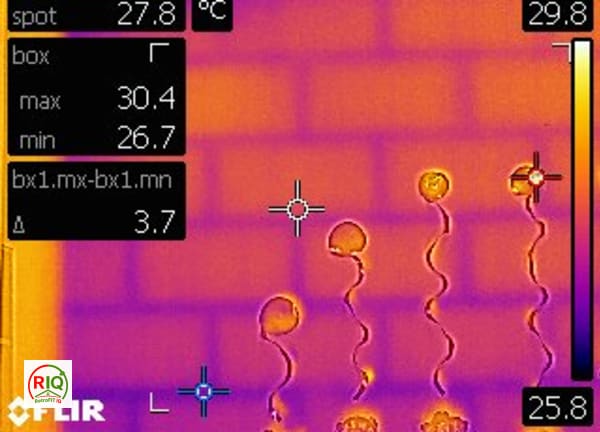
Thermal Bridging Visible Through Masonry Blockwork Wall

Sample Building Performance Investigation Report — Thermal Imaging

Acoustic Floor Upgrades: Mineral Wool Insulation Between Joists

Thermal Bridge at Internal Corner Wall Junction

Thermal Bridge at Wall-Ceiling Junction Near Window
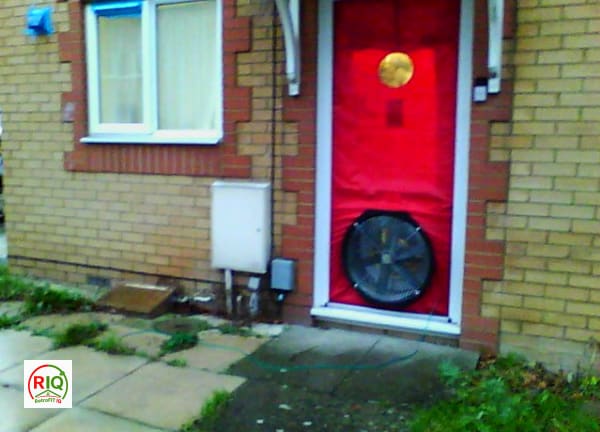
Blower Door Airtightness Test Setup
No related investigations yet.
Browse all investigationsFrequently asked questions
Do I have damp under my floorboards?+
Likely if there is a musty smell rising through the floor, the floors feel cold and damp, or boards feel soft. It usually means moisture has accumulated in a poorly ventilated under-floor void.
What causes damp under a suspended floor?+
Most often blocked or insufficient air bricks, ground moisture in the void, poor cross-ventilation, high external ground levels, or leaks adding water to the void.
Why does my floor smell musty?+
A musty smell is a classic sign of a damp, poorly ventilated under-floor void, where humid air and damp timbers produce the odour that rises into the room.
Can damp under the floor rot the timbers?+
Yes. Sustained high moisture in joists and boards creates the conditions for decay, which weakens the floor and can be expensive to repair, so it is worth addressing early.
Should I block the air bricks if it's draughty?+
No — blocking air bricks cuts the ventilation the void needs and traps moisture, increasing the risk of rot. Seal the room side of the floor instead and keep the void ventilated.
How do I dry out a damp under-floor void?+
Restore and improve ventilation by clearing and adding air bricks, reduce the moisture entering by lowering high ground levels and fixing leaks, and improve cross-flow so the void can dry.
How do you check for damp under the floor?+
We inspect the void for humidity, ground moisture and timber condition, review the ventilation, take moisture readings and check external ground and drainage, then plan how to keep the void dry.
Stop guessing — find the real cause
Do not spend money fixing symptoms before you understand the cause. Every home behaves differently, and the only reliable way to know what is happening in yours is professional building performance diagnostics. At RetrofitIQ we verify buildings using the right combination of investigations:
- Thermal imaging
- Blower door testing
- Moisture & dew point readings
- Ventilation review
- Building physics assessment
- Passive House methodology