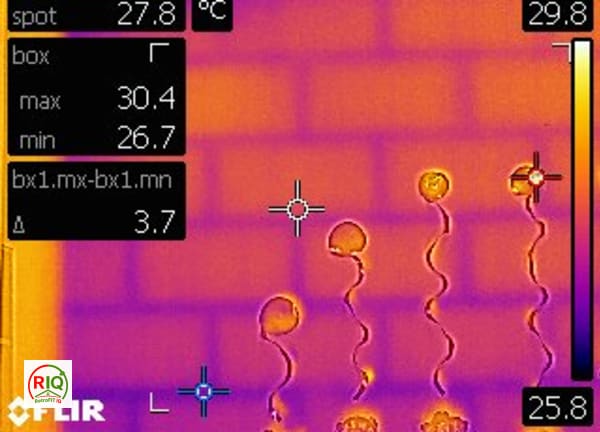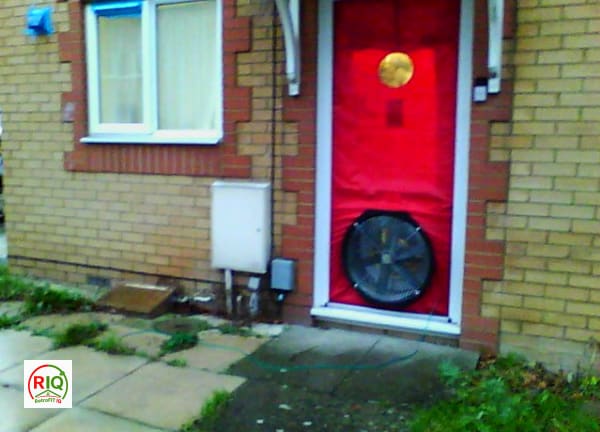

Heat is lost downward through ground floors, and in older suspended timber floors cold air also leaks up between the boards from the ventilated void below. Floor insulation tackles both — but the detailing has to respect why the floor was built the way it was, especially the underfloor ventilation that protects timber from rot.
Suspended timber floors
A suspended timber ground floor has joists and boards over a void, ventilated to the outside by airbricks to keep the timber dry. This void is a significant source of both heat loss and air leakage (cold air drawn up between the boards and around the perimeter — see the Airtightness guide). Insulating it typically means fitting insulation between or under the joists, supported on netting, battens or boards, with an air-tightness layer to stop the draughts:
- Insulation between/under the joists (mineral wool, wood-fibre, or rigid board) brings the floor up to a useful U-value.
- An air-tightness membrane (often above the insulation, taped at the perimeter) stops the cold air leaking up between the boards — a big comfort gain.
- Crucially, the underfloor void ventilation (airbricks) must be kept clear and working, so the joists stay dry; insulation must not block it or trap moisture against the timber.
Solid (ground-bearing) floors
Solid concrete or stone floors lose heat to the ground and can also be a moisture path. Insulating them in retrofit is more disruptive — options include adding rigid insulation and a new screed/finish on top (which raises the floor level, with knock-on effects for doors, stairs and skirtings) or, where floor build-up height is very limited, thin high-performance insulation. Moisture is the key consideration: a damp-proof membrane and an understanding of how the floor currently handles ground moisture are essential, particularly with traditional, vapour-open solid floors (e.g. flagstones on earth) where a modern sealed build-up can trap moisture and push it into the walls.
| Floor type | Approach | Key watch-point |
|---|---|---|
| Suspended timber | Insulate between/under joists + air-tightness layer | Keep underfloor void ventilation working |
| Solid concrete | Rigid insulation + new screed/finish, or thin insulation | Floor-level rise; DPM/moisture |
| Traditional solid (e.g. flagstone) | Vapour-open / limecrete build-ups | Don't trap ground moisture; risk to walls |
Air-tightness and the floor-wall junction
Whatever the floor type, the junction between the floor and the base of the external walls is a critical air-leakage and thermal-bridge point. Floor insulation should connect to the wall insulation strategy, and the air-tightness layer should be continuous from floor to wall, so you don't leave a cold, leaky gap at the perimeter (a classic spot for draughts and skirting-level mould). This is exactly the kind of junction the 'red pen' air-barrier exercise (Airtightness guide) is designed to catch.