
Should I get underfloor heating or radiators?
Whether underfloor heating or radiators is right for your home depends less on preference than on building physics: the heat loss of the rooms, the floor construction, and especially the flow temperature your heat source wants to run at. Underfloor heating spreads heat over a large surface, so it can deliver enough warmth at a low flow temperature — which suits heat pumps and well-insulated homes, and gives gentle, even comfort. Radiators are cheaper and simpler to fit, especially as a retrofit, but need a higher flow temperature unless they are generously sized. The right choice comes from matching the emitter to the heat loss and the heat source, not from assuming one is always better.
 Reviewed by George Sora, Certified Passive House DesignerUpdated June 2026
Quick answer & key takeaways
7 min read- The choice depends on heat loss, floor construction and flow temperature.
- Underfloor heating works at low flow temperatures — ideal for heat pumps.
- Radiators are cheaper and simpler to retrofit, but need higher or larger sizing.
- Well-insulated homes suit underfloor heating; leaky homes need the loss reduced first.
- Biggest misconception: underfloor heating is always better. It depends on the building.
- RetrofitIQ's approach: size the emitter to the measured heat loss and heat source.
What this usually means
Underfloor heating and radiators are both 'wet' emitters — they give out heat from hot water — but they do it very differently. Underfloor heating uses the whole floor as a large, low-temperature radiant surface, so it can supply a room's heat demand while running at a low flow temperature and gives an even, comfortable warmth with no cold spots. Radiators concentrate the same output into a small surface, so to deliver the heat they either run hotter or must be made large. That difference in surface area is the heart of the decision, because it determines how each performs with different heat sources and in different homes.
The flow temperature your heat source prefers is therefore decisive. A heat pump is far more efficient at low flow temperatures, which is exactly where underfloor heating shines and where standard radiators struggle unless heavily oversized — so in a heat-pump home, underfloor heating (or generously sized radiators) is usually the better match. A gas boiler can run hot, so it drives ordinary radiators easily, making them the simpler, cheaper choice there. The home's heat loss matters too: a well-insulated room has a low demand that a low-temperature surface can meet comfortably, while a leaky, under-insulated room has a high demand that may exceed what underfloor heating can supply, pointing to fabric improvements first.
Practical factors then shape the final choice. Underfloor heating is straightforward in a new build, extension or a floor being rebuilt, but retrofitting it into an existing floor means raising floor levels or taking up the floor, which is disruptive and costly; radiators are quick and cheap to fit or upgrade. So the sensible process is to measure the room-by-room heat loss, decide the flow temperature the heat source wants, and then choose the emitter that can deliver the demand at that temperature with acceptable cost and disruption — often underfloor heating where the floor is open or in a heat-pump home, and well-sized radiators elsewhere.
Common causes
Heat source flow temperature
Heat pumps favour low-temperature underfloor heating; boilers drive radiators easily.
Room heat loss
Low-loss rooms suit underfloor heating; high-loss rooms need the loss reduced first.
Floor construction
Underfloor heating is easy in new floors, disruptive to retrofit into existing ones.
Cost and disruption
Radiators are cheaper and simpler; underfloor heating costs more to retrofit.
Signs and symptoms
Planning a heat pump
Low flow temperatures favour underfloor heating or generously sized radiators.
Open or new floor
A floor being built or rebuilt makes underfloor heating straightforward.
Cold, uneven rooms with radiators
May indicate undersized radiators rather than a need for underfloor heating.
High room heat loss
Suggests insulating first before either emitter can keep up at low temperatures.
What most people check first
- The room-by-room heat loss and the demand at design conditions.
- The flow temperature your heat source wants to run at.
- Whether the floor is being built, rebuilt or must stay in place.
- Whether reducing heat loss first would let a low-temperature emitter cope.
What most people miss
- That the heat source's flow temperature should drive the choice.
- That underfloor heating needs a low enough heat loss to keep up.
- That radiators can match underfloor comfort if sized properly.
- That retrofitting underfloor heating is far more disruptive than radiators.
The building physics
Both emitters must supply each room's heat-loss demand, but they do so over very different surface areas, which sets the flow temperature each needs. Heat output rises with both surface area and the temperature difference between the emitter and the room; underfloor heating has a huge surface, so it can meet demand at a small temperature difference — a low flow temperature — whereas a small radiator must run at a large temperature difference, i.e. hot, unless it is made much bigger. Because a heat pump's efficiency and capacity fall as flow temperature rises, the low-temperature operation of underfloor heating is a natural fit, while radiators in a heat-pump home must be substantially oversized to deliver the same heat at a low flow temperature.
The building's heat loss caps what any low-temperature emitter can achieve, which is why fabric comes first. If a room's heat loss is high — poor insulation, leakage, large glazing — the demand may exceed what underfloor heating can output even across the whole floor, so the room stays cold; reducing the heat loss with insulation and airtightness brings the demand within reach of a low-temperature surface and improves comfort regardless of emitter. The rational design sequence is therefore to measure the heat loss, reduce it where it is excessive, set the flow temperature for the chosen heat source, and then select underfloor heating or appropriately sized radiators to meet the demand at that temperature — matching emitter to building and heat source rather than choosing by reputation.
How to choose between underfloor heating and radiators
Measure the heat loss, set the flow temperature your heat source wants, reduce the fabric loss where needed, then pick the emitter that meets the demand at that temperature with acceptable cost.
- 01
Measure the heat loss
Calculate each room's demand at design conditions.
- 02
Set the flow temperature
Decide the temperature the heat source should run at, low for a heat pump.
- 03
Reduce the heat loss first
Insulate and seal high-loss rooms so a low-temperature emitter can cope.
- 04
Weigh the floor and disruption
Favour underfloor heating where the floor is open, radiators where it isn't.
- 05
Size the emitter
Choose underfloor heating or correctly sized radiators to meet the demand.
- 06
Verify comfort
Confirm rooms reach temperature evenly at the chosen flow temperature.
How to prevent it coming back
- Don't choose an emitter before measuring the heat loss.
- Match the emitter to the heat source's flow temperature.
- Reduce excessive heat loss before relying on low-temperature heating.
- Account for the disruption of retrofitting underfloor heating.
How Retrofit IQ investigates this
We measure the heat loss and flow-temperature needs so the emitter choice fits your home and heat source.
Do not spend money fixing symptoms before you understand the cause — investigate first, then build with confidence.
Do I need a professional investigation?
Before choosing between underfloor heating and radiators — especially when installing a heat pump or improving a cold home — it is worth a heat-loss assessment. Measuring the demand and setting the flow temperature shows which emitter can deliver comfortable warmth efficiently, and whether the fabric needs improving first, so the spend matches the building.
Where to go next
Relevant services
Related comparisons
From the Academy
Related case studies
Related problems you may also have
Evidence from Real Projects (16)
Real project and investigation images from our own fieldwork, matched to this page — not stock photography.
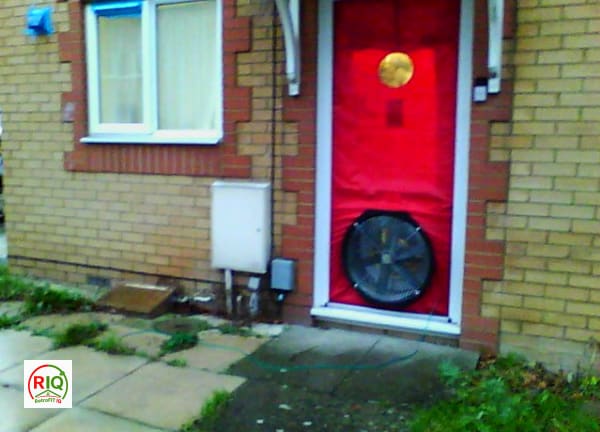
Blower Door Airtightness Test Setup
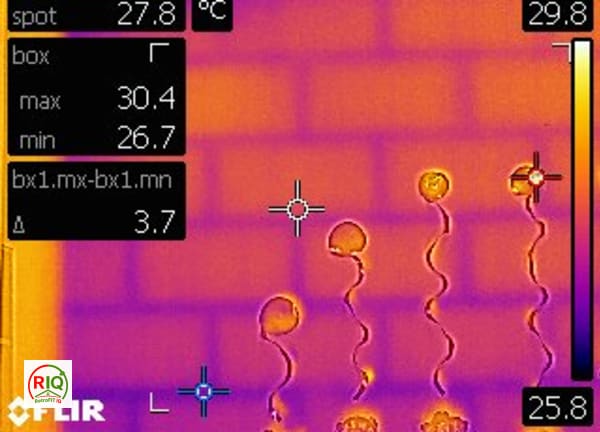
Thermal Bridging Visible Through Masonry Blockwork Wall

Sample Building Performance Investigation Report — Thermal Imaging

Thermal Bridge at Internal Corner Wall Junction

Thermal Bridge at Wall-Ceiling Junction Near Window

Airtightness Testing in a Stratford Victorian Terrace
No related investigations yet.
Browse all investigationsFrequently asked questions
Should I get underfloor heating or radiators?+
It depends on your heat loss, floor construction and the flow temperature your heat source wants. Underfloor heating works well at low flow temperatures, suiting heat pumps and well-insulated homes; radiators are cheaper and simpler to retrofit but need higher temperatures or larger sizing. Match the emitter to the building and heat source rather than assuming one is better.
Is underfloor heating better with a heat pump?+
Often, yes. A heat pump is most efficient at low flow temperatures, and underfloor heating delivers enough heat at those temperatures because of its large surface. Radiators can work too, but usually need to be substantially oversized to match the output at a low flow temperature.
Can I retrofit underfloor heating into an existing house?+
You can, but it usually means raising floor levels or taking up the floor, which is disruptive and costly. Where the floor is being rebuilt or in an extension it's straightforward; otherwise well-sized radiators are often the more practical retrofit.
Will underfloor heating warm a cold, leaky room?+
Only if the room's heat loss is low enough. In a high-loss room the demand can exceed what underfloor heating can output, so it stays cold. Reducing the heat loss with insulation and airtightness first lets a low-temperature emitter keep up.
How do I decide for my home?+
Measure the room-by-room heat loss, set the flow temperature your heat source needs, reduce excessive fabric loss, then size underfloor heating or radiators to meet the demand at that temperature — choosing by the numbers and the practicalities of your floors.
Stop guessing — find the real cause
Do not spend money fixing symptoms before you understand the cause. Every home behaves differently, and the only reliable way to know what is happening in yours is professional building performance diagnostics. At RetrofitIQ we verify buildings using the right combination of investigations:
- Thermal imaging
- Blower door testing
- Moisture & dew point readings
- Ventilation review
- Building physics assessment
- Passive House methodology