
Is it worth insulating my solid walls?
Insulating solid walls is one of the most effective ways to warm a solid-walled home and cut its bills — solid walls lose far more heat than insulated cavity walls — but it is also a major, costly intervention that only pays off when it is done correctly. Whether it is worth it for you depends on how much the walls actually lose relative to the rest of the home, whether internal or external insulation suits the property, and crucially whether the work is detailed to avoid the condensation, damp and thermal-bridging problems that poorly designed solid-wall insulation can cause. The decision should rest on a heat-loss assessment and a moisture-risk appraisal, not on a generic sales pitch.
 Reviewed by George Sora, Certified Passive House DesignerUpdated June 2026
Quick answer & key takeaways
6 min read- Solid walls lose far more heat than insulated cavities, so insulating them can transform comfort.
- It's a major spend that only pays off when designed and detailed correctly.
- Internal and external insulation each suit different homes.
- Done badly, it can cause condensation, damp and thermal bridging.
- Biggest misconception: any wall insulation is good. The detailing decides the outcome.
- RetrofitIQ's approach: assess heat loss and moisture risk before committing.
What this usually means
Solid walls — common in pre-1920s homes — have no cavity to insulate, so they typically lose far more heat than a filled cavity wall and run cold inside, which is why solid-walled homes are often cold, expensive and prone to condensation on the wall surfaces. Insulating them, internally or externally, can therefore make a dramatic difference to warmth and bills, and is frequently the single biggest fabric improvement available. But because the walls are usually a large share of the envelope, it is also expensive and disruptive, so it is worth confirming with a heat-loss assessment that the walls really are a dominant loss before committing — sometimes the loft, floor and airtightness offer cheaper wins first.
The bigger issue is doing it correctly. External wall insulation keeps the wall warm and breathable and avoids most internal bridging, but changes the appearance and is costly; internal insulation is cheaper and invisible but, if poorly detailed, can create cold bridges at floors and party walls, reduce the wall's ability to dry, and shift the dew point into the structure, causing condensation and damp within the wall. On a traditional breathable wall, using impervious materials can trap moisture and cause real harm. So 'worth it' depends entirely on a design that manages moisture, continues the insulation past junctions, and suits the wall's construction — which is why an assessment and proper detailing, rather than a standard product, determine whether the investment pays off or creates new problems.
Common causes
High solid-wall heat loss
Uninsulated solid walls lose far more heat than cavities.
Large share of the envelope
Walls are often the dominant loss, making insulation high-impact but costly.
Internal vs external choice
Each suits different homes and carries different risks.
Moisture and bridging risk
Poor detailing causes condensation, damp and cold bridges.
Signs and symptoms
Cold, expensive solid-walled home
High wall loss that insulation could address.
Condensation on internal wall surfaces
Cold walls below the dew point that warming would help.
Period, breathable construction
Needs vapour-open insulation to avoid trapping moisture.
Cold corners and junctions
Thermal bridges that internal insulation must address.
What most people check first
- How much the walls lose relative to the rest of the home.
- Whether internal or external insulation suits the property.
- Whether the wall is breathable and needs vapour-open materials.
- Whether junctions and bridges can be properly detailed.
What most people miss
- That the detailing, not the product, decides the outcome.
- That cheaper losses may be worth tackling first.
- That internal insulation can cause bridging if poorly designed.
- That breathable walls need breathable insulation.
The building physics
An uninsulated solid wall has a high U-value, so it loses a lot of heat and its inner surface runs cold, which both wastes energy and pushes the surface below the dew point so condensation and mould form. Insulating it raises the inner surface temperature and cuts the loss, transforming both comfort and condensation risk — a large effect because the walls are usually a major part of the envelope. But adding insulation changes the wall's thermal and moisture profile: with internal insulation, the masonry behind it stays colder and the dew point can move into the structure, so without careful vapour control and breathability, moisture can condense within the wall; and any insulation that stops short of floor, ceiling and party-wall junctions leaves cold bridges where condensation concentrates.
Getting it right is therefore a design task. External insulation keeps the whole wall warm and avoids most internal bridging, suiting many solid-walled homes where appearance allows; internal insulation must be detailed to continue past junctions, manage vapour, and — on traditional breathable walls — use vapour-open materials so the wall can still dry. A heat-loss assessment confirms the walls are a dominant loss worth the spend, a moisture-risk appraisal checks the construction can take the chosen system safely, and proper detailing of the junctions prevents bridging. With that, solid-wall insulation is one of the highest-impact improvements; without it, it can create the very damp it was meant to cure.
How to decide on solid-wall insulation
Confirm the walls are a dominant loss, choose internal or external to suit the property, use breathable materials where needed, and detail the junctions — so the investment pays off without causing damp.
- 01
Assess the heat loss
Confirm the walls are a dominant loss worth the spend.
- 02
Choose internal or external
Match the system to the property and its appearance constraints.
- 03
Check moisture risk
Appraise whether the wall can take the system safely.
- 04
Use breathable materials where needed
Keep traditional walls vapour-open so they can dry.
- 05
Detail the junctions
Continue insulation past floors, ceilings and party walls to avoid bridges.
- 06
Verify warmth and dryness
Confirm the walls are warmer and condensation-free after the works.
How to prevent it coming back
- Always assess heat loss and moisture risk before insulating solid walls.
- Use vapour-open materials on breathable construction.
- Detail junctions to avoid cold bridges.
- Tackle cheaper, larger losses first if the walls aren't dominant.
How Retrofit IQ investigates this
We assess heat loss and moisture risk so solid-wall insulation pays off without causing damp.
Do not spend money fixing symptoms before you understand the cause — investigate first, then build with confidence.
Do I need a professional investigation?
Before committing to solid-wall insulation — a major, costly intervention — it is worth a heat-loss assessment and a moisture-risk appraisal. They confirm whether the walls are a dominant loss worth the spend, which system suits the property, and how to detail it so it warms the home without causing condensation or damp.
Find where your heat — and money — escapes
High bills mean excessive heat loss. We measure exactly where it goes so you spend on the largest, cheapest savings first.
- Thermal imaging of the whole envelope
- Blower door test for air leakage
- Prioritised, costed savings plan
Where to go next
Relevant services
Related comparisons
From the Academy
Related case studies
Evidence from Real Projects (23)
Real project and investigation images from our own fieldwork, matched to this page — not stock photography.

Thermal Bridge at Internal Corner Wall Junction
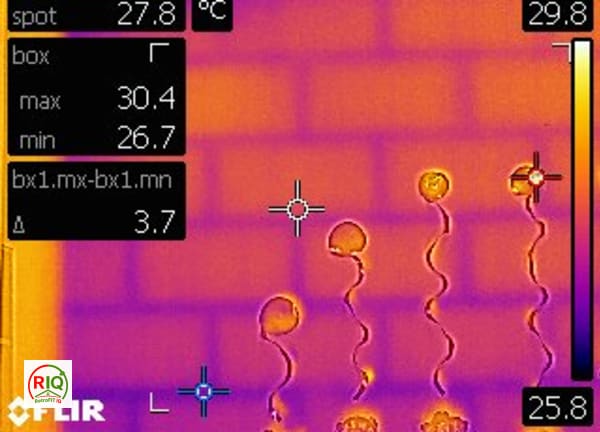
Thermal Bridging Visible Through Masonry Blockwork Wall

Sample Building Performance Investigation Report — Thermal Imaging

Thermal Bridge at Wall-Ceiling Junction Near Window

Acoustic Floor Upgrades: Mineral Wool Insulation Between Joists
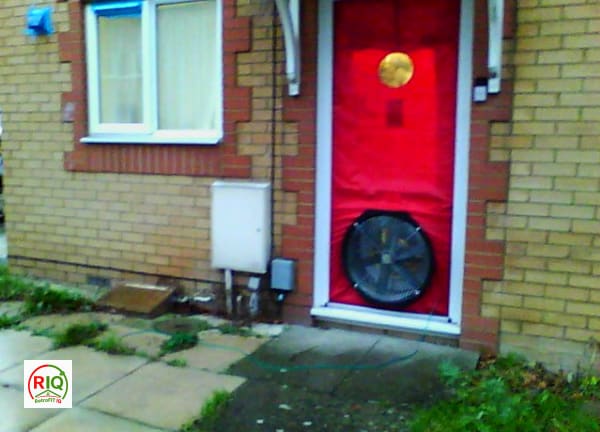
Blower Door Airtightness Test Setup
No related investigations yet.
Browse all investigationsFrequently asked questions
Is it worth insulating my solid walls?+
Often, yes — solid walls lose far more heat than insulated cavities, so insulating them can transform warmth and cut bills, and is frequently the biggest fabric improvement available. But it's a major spend that only pays off when designed and detailed correctly, so it's worth confirming with a heat-loss assessment and a moisture-risk appraisal first.
Internal or external insulation?+
External keeps the whole wall warm and breathable and avoids most internal bridging, but is costly and changes the appearance; internal is cheaper and invisible but must be carefully detailed to avoid cold bridges and trapped moisture. The right choice depends on the property and its construction.
Can solid-wall insulation cause damp?+
Poorly designed, yes. Internal insulation can move the dew point into the wall and, on breathable construction, impervious materials can trap moisture, causing condensation and damp. Done with breathable materials, vapour control and proper junction detailing, it prevents damp instead. The detailing decides the outcome.
Should I insulate the walls or something else first?+
It depends on where the heat goes. If the walls are the dominant loss, insulating them is high-impact; but sometimes the loft, floor and airtightness offer cheaper wins first. A heat-loss assessment ranks them so you spend where it pays most.
How do I make sure it's done right?+
Start with a heat-loss assessment and moisture-risk appraisal, choose the system that suits the wall, use vapour-open materials on traditional walls, and ensure the insulation is continued past floor, ceiling and party-wall junctions. That's what turns a costly job into a high-value improvement.
Stop guessing — find the real cause
Do not spend money fixing symptoms before you understand the cause. Every home behaves differently, and the only reliable way to know what is happening in yours is professional building performance diagnostics. At RetrofitIQ we verify buildings using the right combination of investigations:
- Thermal imaging
- Blower door testing
- Moisture & dew point readings
- Ventilation review
- Building physics assessment
- Passive House methodology