
How do I choose an independent surveyor?
Choosing a surveyor matters because not every 'survey' is impartial. A great deal of damp, condensation and insulation advice in the UK comes from firms that also sell the treatment — a 'free survey' that ends in a quote for chemical injection, render or coatings. That is a sales inspection, not an independent diagnosis, and it has a built-in incentive to find the problem the firm happens to treat. A genuinely independent surveyor earns their fee from the diagnosis alone, has no product to sell and no stake in the remedy, and is therefore free to tell you the cheapest correct answer — including that you need no treatment at all. Knowing how to spot the difference is what protects you from spending thousands on the wrong fix.
 Reviewed by George Sora, Certified Passive House DesignerUpdated June 2026
Quick answer & key takeaways
7 min read- Independence means the surveyor earns their fee from diagnosis, not from selling the cure.
- A 'free survey' from a treatment firm is a sales inspection, not impartial advice.
- Look for measurement — moisture readings, thermal imaging, airtightness — not just a visual walk-round.
- A good report explains the cause and the evidence, not just a product recommendation.
- Biggest misconception: any surveyor is neutral. Always check who pays them and what they sell.
- RetrofitIQ's approach: paid, product-neutral diagnosis with the evidence behind every conclusion.
What this usually means
Independence is the single most important quality, because the conclusion of a survey is only as trustworthy as the incentives behind it. When the inspector works for a company that injects damp courses, applies tanking render or installs cavity insulation, the survey is part of a sales process — the firm is paid only if works follow, so the report tends to recommend works. This is why so many homeowners are sold rising-damp 'cures' for what is actually condensation, or coatings for what is penetrating damp from a defect. The diagnosis was shaped by what the firm sells, not by what the building needs. An independent surveyor is paid for the diagnosis itself, so there is no commercial reason to over-diagnose, and the advice can be 'do nothing' or 'fix the gutter' as readily as 'install a system'.
The second marker is measurement. A credible survey is built on instruments and method — moisture meter and where relevant a calcium-carbide or gravimetric check, a hygrometer and data logging for humidity and dew point, thermal imaging for cold surfaces and missing insulation, and a blower door test where air leakage matters. A walk-round that points at a stain and names a product is not a diagnosis; it is a guess dressed as one. Ask what equipment will be used and what will be measured, and be wary of anyone who can name the cure before they have measured anything.
The third marker is the report itself. A good independent surveyor gives you a written report that states the cause, sets out the evidence for it, distinguishes between competing explanations and explains why one fits the readings better than the others, and then recommends the least-cost correct remedy with a clear order of works. It should be something you could hand to any reputable contractor to price. Membership of a relevant professional body, professional indemnity insurance, and a willingness to put their reasoning in writing all reinforce that the surveyor stands behind a diagnosis rather than a sale.
Common causes
Treatment firms offering 'free surveys'
The inspection is free because the firm profits from the works it recommends.
Visual-only inspection
Naming a cause without measurement is a guess, not a diagnosis.
Single-cure bias
A firm that sells one product tends to find the problem that product treats.
No written reasoning
Advice with no evidence trail cannot be checked or trusted.
Signs and symptoms
A quote arrives with the diagnosis
Diagnosis and sales pitch in one visit signals a conflict of interest.
No instruments used
If nothing was measured, the conclusion rests on assumption.
Pressure to commit quickly
Time-limited 'offers' are a sales tactic, not a survey practice.
One cause for every house
A surveyor who always finds the same problem is selling, not diagnosing.
What most people check first
- Whether the surveyor sells or installs any treatment or product.
- How they are paid — a fixed diagnostic fee, or only if works follow.
- What instruments they use and what they will measure.
- Whether you receive a written report with evidence and reasoning.
What most people miss
- That a 'free survey' is paid for by the works it recommends.
- That independence, not qualifications alone, removes the bias.
- That measurement is what separates diagnosis from guesswork.
- That the cheapest correct answer is sometimes no treatment at all.
The building physics
The reason independence matters so much in damp, mould and heat-loss work is that the symptoms are ambiguous and the building physics is genuinely hard. A damp patch can be condensation, penetrating damp from a defect, bridging from raised ground, a plumbing leak or hygroscopic salts — each with a different, often far cheaper, remedy than the chemical damp-proof course frequently sold. Distinguishing them requires reading moisture distribution and depth, comparing surface and dew-point temperatures, and ruling causes in and out with evidence. A surveyor with a product to sell has no incentive to do that work thoroughly, because the conclusion is effectively decided before the visit.
Genuine diagnosis follows the evidence wherever it leads, which is only possible when the surveyor is paid for the thinking rather than the selling. Independent practice means using calibrated instruments, recording the readings, considering the competing hypotheses and choosing the one the data supports, then recommending the minimum intervention that addresses the cause — and being willing to say a problem needs no works at all. That product-neutrality is what lets the advice be trusted, and what so often saves homeowners from expensive treatments aimed at the wrong cause. Choosing a surveyor is, in the end, choosing whose interests the report serves: yours, or the seller's.
How to choose a genuinely independent surveyor
Pick someone paid for the diagnosis, not the cure — who measures before concluding, sells no treatment, and puts the evidence in writing.
- 01
Confirm they sell nothing
Check the surveyor does not install or supply any treatment or product.
- 02
Pay for the diagnosis
A fixed diagnostic fee aligns their interest with the truth, not the sale.
- 03
Ask what they measure
Expect moisture readings, humidity logging, thermal imaging or airtightness testing.
- 04
Insist on a written report
Require the cause, the evidence and a least-cost order of works in writing.
- 05
Check credentials and insurance
Look for relevant professional membership and professional indemnity cover.
- 06
Get the remedy priced separately
Take the independent report to reputable contractors for competitive quotes.
How to prevent it coming back
- Never act on a diagnosis from the firm that profits from the cure.
- Treat 'free surveys' as sales visits and weigh the advice accordingly.
- Always ask what was measured before any cause is named.
- Keep diagnosis and the works it recommends commercially separate.
How Retrofit IQ investigates this
We provide independent, product-neutral diagnosis — paid for the findings, with no treatment to sell.
Do not spend money fixing symptoms before you understand the cause — investigate first, then build with confidence.
Do I need a professional investigation?
Whenever you face an expensive or recurring problem — damp, mould, a cold or draughty home — and especially before agreeing to any treatment, it is worth commissioning an independent, paid diagnosis. A product-neutral surveyor who measures the cause and writes up the evidence protects you from being sold the wrong remedy, and usually saves far more than the fee.
Get an independent, product-neutral survey
We are paid for the diagnosis, not the cure — so the report finds the real cause and the cheapest correct fix, with nothing to sell you.
- Paid for the findings, no treatment to sell
- Thermal imaging, airtightness & moisture readings
- Written report with the least-cost remedy
Where to go next
Relevant services
Related comparisons
Related case studies
Related problems you may also have
Evidence from Real Projects (12)
Real project and investigation images from our own fieldwork, matched to this page — not stock photography.
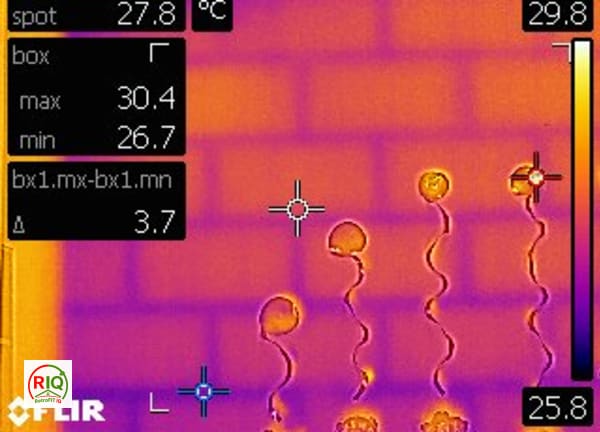
Thermal Bridging Visible Through Masonry Blockwork Wall

Sample Building Performance Investigation Report — Thermal Imaging

Airtightness Testing in a Stratford Victorian Terrace
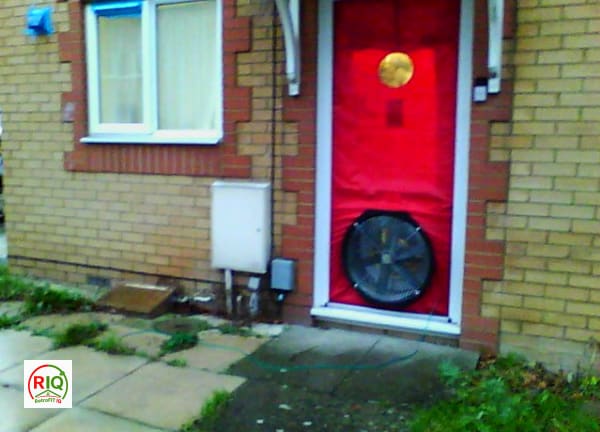
Blower Door Airtightness Test Setup

Thermal Bridge at Internal Corner Wall Junction

Thermal Bridge at Wall-Ceiling Junction Near Window
No related investigations yet.
Browse all investigationsFrequently asked questions
How do I know if a surveyor is independent?+
Check whether they sell or install any treatment. A genuinely independent surveyor earns their fee from the diagnosis alone and has no product to recommend, so they are free to suggest the cheapest correct fix — or none at all. If a quote for works arrives alongside the diagnosis, it is a sales inspection rather than an impartial survey.
Is a free damp survey worth having?+
A 'free' damp survey is usually offered by a firm that sells the treatment, so it is paid for by the works it recommends. That built-in incentive often leads to chemical damp courses or coatings being sold for problems that are actually condensation or a simple defect. A paid, independent diagnosis is far more likely to find the real, cheaper cause.
What should an independent survey include?+
Measurement and reasoning: moisture readings, humidity and dew-point logging, thermal imaging or airtightness testing as relevant, then a written report stating the cause, the evidence for it, and a least-cost order of works you could hand to any contractor.
Does the surveyor need specific qualifications?+
Relevant professional membership and professional indemnity insurance matter, but independence matters more — a qualified inspector who works for a treatment firm still has a conflict of interest. Look for someone paid for the diagnosis with no product to sell.
Will an independent survey save me money?+
Usually, yes. By identifying the true cause and the minimum effective remedy — and ruling out treatments aimed at the wrong problem — an independent diagnosis routinely saves far more than its fee, and prevents an expensive fix that would not have worked.
Stop guessing — find the real cause
Do not spend money fixing symptoms before you understand the cause. Every home behaves differently, and the only reliable way to know what is happening in yours is professional building performance diagnostics. At RetrofitIQ we verify buildings using the right combination of investigations:
- Thermal imaging
- Blower door testing
- Moisture & dew point readings
- Ventilation review
- Building physics assessment
- Passive House methodology