
Do I need a survey if my house is cold and damp?
If your home is both cold and damp, a survey is usually worth it — because the two problems almost always share a cause, and guessing at fixes is the expensive way to solve it. Cold surfaces, heat loss, air leakage and poor moisture control tend to feed each other: cold walls and windows lose heat and also drop below the dew point so moisture condenses on them, and a home that is hard to heat is also one where surfaces stay cold enough to grow mould. A survey that measures where the heat goes and how moisture behaves identifies the real cause, so a single coordinated fix addresses both — rather than spending separately, and often wrongly, on heating, damp treatment and mould paint.
 Reviewed by George Sora, Certified Passive House DesignerUpdated June 2026
Quick answer & key takeaways
7 min read- Cold and damp usually share a cause — cold surfaces and poor moisture control.
- Treating them separately, by guessing, is the expensive way to fail.
- A survey measures heat loss and moisture so one fix addresses both.
- Common wrong spends: bigger boiler, chemical damp course, anti-mould paint.
- Biggest misconception: cold and damp are two unrelated problems. They're usually linked.
- RetrofitIQ's approach: diagnose the shared cause, then fix once, correctly.
What this usually means
Cold and damp are so often found together because they spring from the same building physics. When a home loses heat quickly through poorly insulated walls, roof and floors and through air leakage, its internal surfaces run cold; cold surfaces both feel uncomfortable and, crucially, fall below the dew point of the indoor air, so water vapour condenses on them. That condensation is the damp — on windows, in corners, behind furniture, on cold external walls — and where it persists, mould follows. So the coldness and the dampness are not two coincidental faults; they are two symptoms of insufficient insulation, leakage and moisture control acting together.
This is why guessing at fixes wastes money. A homeowner faced with a cold, damp house often spends on a bigger boiler or more heating (which raises bills without warming the cold surfaces enough to stop condensation), a chemical damp-proof course (which does nothing for condensation, the usual real cause), or anti-mould paint (which hides the symptom while the cold, damp surface remains). Each treats a symptom in isolation, none addresses the shared cause, and the problem returns. The money goes on three separate, partial fixes when one coordinated remedy was needed.
A survey breaks that cycle by measuring rather than guessing. Thermal imaging shows which surfaces are cold and where insulation is missing or bridged; data logging of temperature and humidity establishes whether condensation risk is high; a moisture assessment distinguishes condensation from penetrating or rising damp; and a blower door test quantifies the leakage that chills the home. With the shared cause identified, the fix is coordinated — warming the cold surfaces with insulation, controlling air leakage, and providing adequate ventilation — so the house becomes both warmer and drier from a single, correctly targeted programme of work, which almost always costs less overall than the trail of failed partial fixes.
Common causes
Cold surfaces below the dew point
Poorly insulated, cold surfaces lose heat and condense moisture together.
Air leakage
Draughts chill the home and move moist air to cold surfaces.
Inadequate ventilation
Trapped humidity raises condensation and mould on the cold surfaces.
Misdirected fixes
Boilers, damp courses and paint each treat a symptom, not the shared cause.
Signs and symptoms
Condensation on cold walls or windows
Classic sign that cold surfaces and moisture are interacting.
Mould in cold corners and behind furniture
Mould marks the coldest, least ventilated surfaces.
Cold despite high heating use
Heat lost as fast as it's made points to fabric and leakage.
Damp that returns after treatment
Recurring damp after a 'cure' means the real cause was missed.
What most people check first
- Whether the damp is condensation on cold surfaces or another type.
- Which surfaces are coldest and where insulation is missing.
- Whether air leakage is chilling the home and moving moisture.
- Whether ventilation is adequate for the moisture produced.
What most people miss
- That cold and damp usually share one cause, not two.
- That a bigger boiler rarely fixes condensation damp.
- That chemical damp courses do nothing for condensation.
- That one coordinated fix is cheaper than three partial ones.
The building physics
The link between cold and damp is the dew point. Indoor air holds a certain amount of water vapour; as a surface cools, the air against it cools too, and once it reaches the dew-point temperature the vapour condenses into liquid water on that surface. Poorly insulated walls, single-glazed windows, cold corners and thermally bridged junctions all run colder than the rest of the room, so they reach the dew point first — which is exactly why condensation, and then mould, appears on them. Heat loss and condensation are therefore two readings of the same underlying condition: surfaces that are too cold. Raise those surface temperatures with insulation and reduce the indoor moisture load with ventilation, and both the coldness and the condensation ease together.
Air leakage ties the two even more tightly. Uncontrolled infiltration both removes heat — chilling the fabric — and transports humid indoor air into cold cavities, lofts and wall junctions where it condenses out of sight. So a leaky, under-insulated, under-ventilated home is almost guaranteed to be both cold and damp. Diagnosing it means measuring all three factors: thermal imaging for the cold surfaces and missing insulation, a blower door test for the leakage, and humidity and dew-point logging for the moisture balance. Only with that combined picture can the remedy be coordinated — insulate to warm the surfaces, seal the uncontrolled leakage, and ventilate to control moisture — so the single programme of work makes the home warmer and drier at once, which is both more effective and cheaper than tackling cold and damp as if they were unrelated.
How to tackle a cold and damp home
Diagnose the shared cause first, then fix once: warm the cold surfaces, control the air leakage and provide adequate ventilation, rather than spending separately on boilers, damp courses and paint.
- 01
Diagnose the shared cause
Measure heat loss, leakage and moisture to find the common root.
- 02
Warm the cold surfaces
Insulate the walls, roof or floors that run coldest.
- 03
Control air leakage
Seal the uncontrolled leakage chilling the home and moving moisture.
- 04
Provide proper ventilation
Add or improve ventilation to remove the indoor moisture load.
- 05
Avoid symptom-only fixes
Skip the bigger boiler, damp course and mould paint that miss the cause.
- 06
Verify warmth and dryness
Confirm the coordinated works have warmed and dried the home.
How to prevent it coming back
- Treat cold and damp as one linked problem, not two.
- Diagnose before spending on any single fix.
- Keep surfaces warm and moisture controlled to prevent condensation.
- Don't mask mould with paint while the cold, damp surface remains.
How Retrofit IQ investigates this
We diagnose the shared cause of cold and damp so a single coordinated fix solves both.
Do not spend money fixing symptoms before you understand the cause — investigate first, then build with confidence.
Do I need a professional investigation?
If your home is both cold and damp — especially if damp keeps returning after treatment, or heating it more makes little difference — it is worth a survey before spending further. Measuring the heat loss, leakage and moisture reveals the shared cause, so one coordinated fix makes the home warmer and drier, usually for less than the trail of failed partial remedies.
Get an independent, product-neutral survey
We are paid for the diagnosis, not the cure — so the report finds the real cause and the cheapest correct fix, with nothing to sell you.
- Paid for the findings, no treatment to sell
- Thermal imaging, airtightness & moisture readings
- Written report with the least-cost remedy
Where to go next
Relevant services
Related comparisons
Related case studies
Evidence from Real Projects (17)
Real project and investigation images from our own fieldwork, matched to this page — not stock photography.
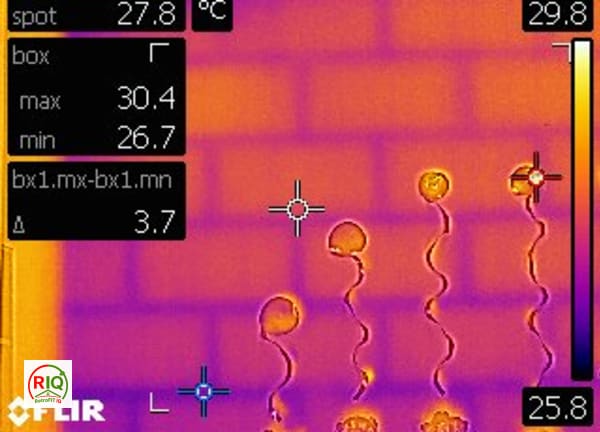
Thermal Bridging Visible Through Masonry Blockwork Wall

Sample Building Performance Investigation Report — Thermal Imaging
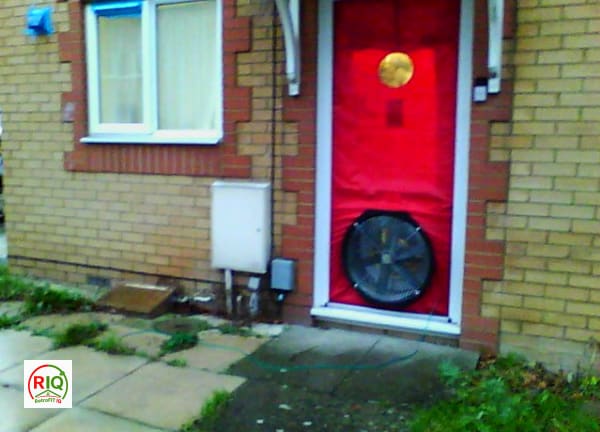
Blower Door Airtightness Test Setup

Thermal Bridge at Wall-Ceiling Junction Near Window

Thermal Bridge at Internal Corner Wall Junction

Airtightness Testing in a Stratford Victorian Terrace
No related investigations yet.
Browse all investigationsFrequently asked questions
Do I need a survey if my house is cold and damp?+
Usually yes, because cold and damp almost always share a cause — cold surfaces, heat loss and poor moisture control feeding each other. A survey measures where the heat goes and how moisture behaves, so a single coordinated fix addresses both, rather than spending separately and often wrongly on heating, damp treatment and mould paint.
Why are cold and damp so often found together?+
Because cold surfaces cause damp. Poorly insulated walls and windows run cold, and cold surfaces fall below the dew point so moisture condenses on them — that condensation is the damp, and mould follows. The same lack of insulation, sealing and ventilation produces both the coldness and the dampness.
Will a bigger boiler fix a cold, damp house?+
Rarely. More heating raises bills but often doesn't warm the cold surfaces enough to stop condensation, and it does nothing about leakage or ventilation. The fix is to warm the surfaces with insulation, seal the leakage and ventilate — a coordinated remedy a survey identifies.
Is the damp rising damp?+
Usually not. In a cold home, most damp is condensation on cold surfaces, not rising damp — which is why chemical damp-proof courses so often fail to help. A moisture assessment distinguishes condensation from penetrating or rising damp before any treatment is chosen.
Won't it be cheaper to just treat the damp?+
Not if you treat the wrong cause. Damp treatment that ignores the cold surfaces and moisture balance tends to fail and recur, so you pay again. Diagnosing the shared cause and fixing it once is normally cheaper overall than a series of partial treatments.
Stop guessing — find the real cause
Do not spend money fixing symptoms before you understand the cause. Every home behaves differently, and the only reliable way to know what is happening in yours is professional building performance diagnostics. At RetrofitIQ we verify buildings using the right combination of investigations:
- Thermal imaging
- Blower door testing
- Moisture & dew point readings
- Ventilation review
- Building physics assessment
- Passive House methodology