
Why does my house feel cold and damp?
A home that feels cold and damp at once is suffering from two linked symptoms of one underlying condition: cold surfaces combined with high indoor humidity. Cold, poorly insulated walls and floors both feel chilly and chill the air against them, while too little ventilation lets moisture build up — so the air feels raw and clammy, surfaces stay damp, and warmth never quite arrives. It is not two separate problems but one: a building that loses heat and traps moisture. The remedy is to warm the surfaces, control the humidity and provide ventilation together, rather than chasing the cold and the damp as if they were unrelated.
 Reviewed by George Sora, Certified Passive House DesignerUpdated June 2026
Quick answer & key takeaways
5 min read- Cold and damp feelings come together from cold surfaces and high humidity.
- Cold walls and floors chill the air and feel raw; trapped moisture makes it clammy.
- It's one condition — heat loss plus poor moisture control — not two faults.
- Heating harder alone rarely fixes the clammy feel.
- Biggest misconception: it's a heating problem. It's mostly fabric and ventilation.
- RetrofitIQ's approach: warm the surfaces and control moisture together.
What this usually means
The 'cold and damp' feeling is a comfort response to two things at once: low surface temperatures and high relative humidity. When walls, floors and windows are cold — because insulation is thin and heat is lost quickly — they radiate coldness and cool the air beside them, so a room can feel chilly even when the thermostat reads a reasonable number. Add high humidity from cooking, washing, breathing and inadequate ventilation, and the damp air feels clammy and harder to warm, because moist air and cold surfaces both sap the sense of warmth. The two combine into that raw, never-quite-comfortable feel.
Because the cause is shared, the usual instinct — turn the heating up — disappoints. More heat raises the air temperature but does little to warm the cold surfaces enough or to remove the moisture, so the clammy coldness lingers and the bills climb. The effective approach is to warm the surfaces with insulation, reduce the indoor humidity with better ventilation and moisture control, and seal the draughts that chill the fabric — a coordinated fix that makes the home feel warm and dry rather than merely a few degrees hotter and still damp.
Common causes
Cold, under-insulated surfaces
Thin insulation lets walls and floors run cold and chill the air.
High indoor humidity
Too little ventilation leaves moist air that feels clammy.
Air leakage
Draughts chill the fabric and carry moisture to cold surfaces.
Heating-only response
Raising air temperature without warming surfaces or drying air falls short.
Signs and symptoms
Raw, clammy feel despite heating
High humidity and cold surfaces defeating the warmth.
Cold walls and floors
Under-insulated fabric radiating coldness.
Condensation and musty smell
Trapped moisture confirming the humidity side of the problem.
Slow to warm, quick to cool
Heat lost fast through poor fabric and leakage.
What most people check first
- Which surfaces are coldest and where insulation is missing.
- Whether indoor humidity is high and ventilation inadequate.
- Whether draughts are chilling the fabric.
- Whether heating more actually warms the surfaces or just the air.
What most people miss
- That cold and damp share one cause, not two.
- That warming the air isn't the same as warming the surfaces.
- That humidity makes a cold home feel far worse.
- That one coordinated fix solves both feelings.
The building physics
Perceived warmth depends on both air temperature and the temperature of surrounding surfaces — the mean radiant temperature — and on humidity. Cold, poorly insulated surfaces lower the radiant temperature, so the body loses heat to them and feels cold even when the air is warm; high humidity reduces evaporative comfort and makes the same conditions feel clammier and colder. A home that loses heat quickly and ventilates poorly therefore feels cold and damp regardless of the thermostat setting, because the surfaces stay cold and the moisture stays in the air.
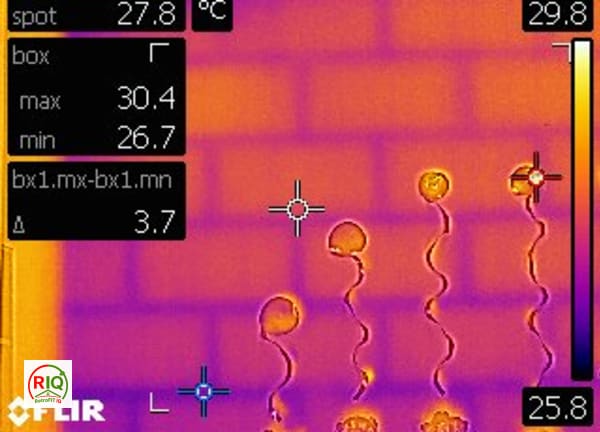
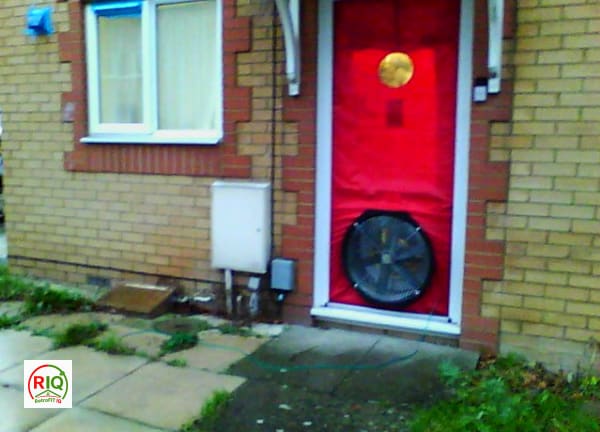
The fix follows from the physics: raise the surface temperatures with insulation and airtightness so the radiant environment is warmer and surfaces no longer condense, and lower the humidity with adequate ventilation so the air feels dry and warms more readily. Measuring the surface temperatures (thermal imaging), the air leakage (blower door) and the humidity identifies where the cold and the moisture come from, so the coordinated remedy of insulating, sealing and ventilating makes the home feel genuinely warm and dry — something extra heating alone cannot achieve.
How to fix a cold, damp-feeling home
Warm the cold surfaces with insulation, seal the draughts, and control humidity with ventilation — together — so the home feels warm and dry rather than just a little hotter.
- 01
Find the cold surfaces
Use thermal imaging to locate where insulation is missing.
- 02
Insulate to warm surfaces
Raise surface temperatures so they feel warm and stop condensing.
- 03
Seal the draughts
Stop leakage chilling the fabric and moving moisture.
- 04
Control humidity
Improve ventilation and reduce moisture at source.
- 05
Avoid heating-only fixes
Don't rely on cranking the thermostat to mask the cause.
- 06
Verify comfort
Confirm the home feels warm and dry, not just warmer.
How to prevent it coming back
- Keep surfaces warm with insulation, not just the air.
- Ventilate to keep humidity in a healthy range.
- Seal draughts that chill the fabric.
- Treat cold and damp as one linked condition.
How Retrofit IQ investigates this
We measure the surfaces, leakage and humidity behind a cold, damp feel to fix the shared cause.
Do not spend money fixing symptoms before you understand the cause — investigate first, then build with confidence.
Do I need a professional investigation?
If your home feels persistently cold and damp whatever the heating does, it is worth measuring the surface temperatures, air leakage and humidity. The combined picture reveals the shared cause, so a single coordinated fix makes the home feel warm and dry rather than spending repeatedly on heating that never quite works.
Where to go next
Relevant services
Related comparisons
Related case studies
Evidence from Real Projects (17)
Real project and investigation images from our own fieldwork, matched to this page — not stock photography.
Thermal Bridging Visible Through Masonry Blockwork Wall

Sample Building Performance Investigation Report — Thermal Imaging

Thermal Bridge at Wall-Ceiling Junction Near Window

Thermal Bridge at Internal Corner Wall Junction
Blower Door Airtightness Test Setup

Airtightness Testing in a Stratford Victorian Terrace
No related investigations yet.
Browse all investigationsFrequently asked questions
Why does my house feel cold and damp?+
Because two linked things happen together: cold, poorly insulated surfaces lower the radiant temperature so the room feels chilly, and high indoor humidity from poor ventilation makes the air feel clammy and harder to warm. It's one condition — a home that loses heat and traps moisture — not two separate faults.
Why doesn't more heating fix it?+
Because heating raises the air temperature but does little to warm the cold surfaces or remove the moisture. The clammy coldness comes from cold surfaces and humid air, so it lingers while the bills rise. Warming the surfaces and drying the air is what actually helps.
Is the damp making it feel colder?+
Yes. Humid air reduces evaporative comfort and makes the same temperature feel colder and clammier, while cold surfaces draw heat from your body. Together they produce that raw feel, which is why controlling humidity is part of the fix, not just heating.
What's the fix?+
A coordinated one: insulate to warm the cold surfaces, seal the draughts that chill the fabric, and ventilate to control humidity. Done together, the home feels genuinely warm and dry — something extra heating alone can't achieve.
How do I find out what's wrong?+
Measure it. Thermal imaging shows the cold surfaces, a blower door test measures the leakage, and humidity logging shows whether ventilation is keeping up. The combined picture reveals the shared cause so the fix is targeted.
Stop guessing — find the real cause
Do not spend money fixing symptoms before you understand the cause. Every home behaves differently, and the only reliable way to know what is happening in yours is professional building performance diagnostics. At RetrofitIQ we verify buildings using the right combination of investigations:
- Thermal imaging
- Blower door testing
- Moisture & dew point readings
- Ventilation review
- Building physics assessment
- Passive House methodology