
Do I need a survey before buying a period home?
A period home almost always warrants a deeper survey than a modern one, and ideally a performance-aware one too, because old houses are built and behave differently. Solid walls with no cavity, lime-based breathable construction, suspended timber floors, original windows and decades of alterations all create risks — and opportunities to misdiagnose — that a light, modern-house survey will skim over. The two big questions a period-home buyer needs answered are whether the structure and fabric are sound, and how the house will perform: whether it will be cold, draughty and damp-prone, and what it would cost to make comfortable. A standard HomeBuyers Report rarely answers either properly for a period property.
 Reviewed by George Sora, Certified Passive House DesignerUpdated June 2026
Quick answer & key takeaways
7 min read- Period homes are solid-walled and breathable, so they behave unlike modern houses.
- A deeper building survey (Level 3) is usually the right choice, not a basic report.
- Damp in old houses is often misdiagnosed — breathability and detailing matter.
- A performance survey reveals heat loss and the realistic cost of comfort.
- Biggest misconception: a period home should be 'fixed' like a modern one. Wrong materials cause harm.
- RetrofitIQ's approach: pair a deep condition survey with a performance and moisture assessment.
What this usually means
Period homes are built on a different principle from modern ones. Most were constructed with solid walls and lime mortars and plasters that let moisture move through and evaporate — a breathable, moisture-tolerant system — rather than the sealed cavity-and-membrane approach of modern construction. They have suspended timber ground floors ventilated by airbricks, single-glazed timber windows, and often a chimney in every room. None of this is a defect; it is how the house was designed to work. But it means the risks are different — solid walls lose more heat and run colder, timber floors and roofs can suffer from blocked ventilation, and inappropriate modern repairs can trap moisture in materials that were meant to breathe.
This is why damp is so frequently misdiagnosed in old houses, and why a deeper survey matters. A surveyor unfamiliar with traditional construction may read normal solid-wall moisture as 'rising damp' and recommend an injected chemical course and cement render — exactly the cement-based, impervious materials that stop a breathable wall drying and make damp worse. A good building survey on a period home comments on the construction type, distinguishes genuine defects from the normal behaviour of old fabric, and is cautious about prescribing modern remedies. The depth and the surveyor's understanding of traditional buildings both matter.
The performance question is just as important and almost never covered by a condition survey. Solid walls have a far higher heat loss than insulated cavity walls, period homes are usually leaky, and original windows and floors add to the losses — so these houses can be beautiful and structurally sound yet cold and expensive to run. Before buying, a building-performance survey using thermal imaging, an airtightness test and a moisture assessment shows where the heat goes, where moisture risk lies, and what a sympathetic, breathable retrofit would realistically cost. That turns the romance of a period home into an informed decision.
Common causes
Solid, breathable walls
No cavity and lime-based fabric mean different heat-loss and moisture behaviour.
Misread damp
Normal solid-wall moisture is often mislabelled as rising damp and mis-treated.
Decades of alterations
Past repairs and changes can hide problems or introduce harmful modern materials.
High, unmeasured heat loss
Solid walls, leakage and old windows make these homes costly without assessment.
Signs and symptoms
Cold, damp ground-floor walls
Common in solid-walled homes and easily misdiagnosed without a proper survey.
Cement render or modern patches
Impervious repairs on breathable walls can trap moisture and need expert reading.
Draughty single glazing
Original windows add to leakage and heat loss a survey should quantify.
Musty floors or roof spaces
Blocked traditional ventilation can cause damp in floors and lofts.
What most people check first
- Whether the surveyor understands traditional, breathable construction.
- Whether reported 'rising damp' is genuine or normal solid-wall behaviour.
- How much heat the solid walls, leakage and windows are likely to lose.
- Whether past alterations have introduced harmful modern materials.
What most people miss
- That old houses are breathable systems, not faulty modern ones.
- That modern damp 'cures' can actively harm period fabric.
- That a clean condition survey says nothing about running cost.
- That a period-savvy, performance-aware survey prevents costly mistakes.
The building physics
Traditional buildings manage moisture by absorbing and releasing it through breathable, vapour-open materials — lime mortar, lime plaster, soft brick or stone — so that any water that enters can evaporate again. Modern construction instead keeps water out with cavities, membranes and impervious materials. Problems arise when the two are mixed: applying cement render, gypsum plaster, plastic paints or an injected damp-proof course to a breathable wall blocks the evaporation route, so moisture accumulates and the wall stays damp and cold. A surveyor who does not grasp this can both misdiagnose the cause and recommend the very repairs that make it worse — which is why expertise in traditional construction is essential on a period home.
Thermally, solid walls have a much higher U-value than insulated walls, so they lose far more heat and their inner surfaces run colder, raising condensation and mould risk; combined with the leakage and single glazing typical of old houses, the result is a high but entirely measurable heat loss. A building-performance survey quantifies it — thermal imaging maps the cold surfaces and any damp, an airtightness test measures the leakage, and a moisture assessment establishes whether the fabric is behaving normally or genuinely failing. That evidence lets a buyer judge both the structural soundness and the realistic cost and method of making a period home warm and dry without harming the fabric that gives it its character.
How to survey a period home before buying
Commission a deep, period-literate building survey for the condition, and add a performance and moisture assessment to understand heat loss, damp risk and the cost of sympathetic retrofit.
- 01
Choose a period-literate surveyor
Pick someone who understands solid-wall, breathable construction.
- 02
Get a Level 3 building survey
Use the deeper inspection suited to older, altered properties.
- 03
Question any damp diagnosis
Check whether 'rising damp' is genuine or normal solid-wall behaviour.
- 04
Add a performance survey
Use thermal imaging and airtightness testing to measure heat loss and risk.
- 05
Assess breathable retrofit
Establish what sympathetic, vapour-open improvements would cost.
- 06
Avoid impervious repairs
Steer clear of cement, plastic paints and injections on breathable fabric.
How to prevent it coming back
- Never apply modern impervious repairs to breathable period fabric.
- Don't accept a 'rising damp' diagnosis without measurement and reasoning.
- Budget for solid-wall heat loss before assuming a period home is cheap to run.
- Use a surveyor experienced with traditional construction.
How Retrofit IQ investigates this
We assess period homes on their own terms — breathable fabric, real heat loss and genuine moisture risk.
Do not spend money fixing symptoms before you understand the cause — investigate first, then build with confidence.
Do I need a professional investigation?
Before buying any period or solid-walled home, it is worth pairing a deep, period-literate building survey with a building-performance and moisture assessment. Thermal imaging, an airtightness test and a careful reading of the fabric reveal whether the house is sound, how it will perform, and what a sympathetic retrofit would cost — protecting you from both hidden defects and harmful, mis-sold damp treatments.
Get an independent, product-neutral survey
We are paid for the diagnosis, not the cure — so the report finds the real cause and the cheapest correct fix, with nothing to sell you.
- Paid for the findings, no treatment to sell
- Thermal imaging, airtightness & moisture readings
- Written report with the least-cost remedy
Where to go next
Relevant services
Related comparisons
Related case studies
Related problems you may also have
Evidence from Real Projects (18)
Real project and investigation images from our own fieldwork, matched to this page — not stock photography.

Airtightness Testing in a Stratford Victorian Terrace
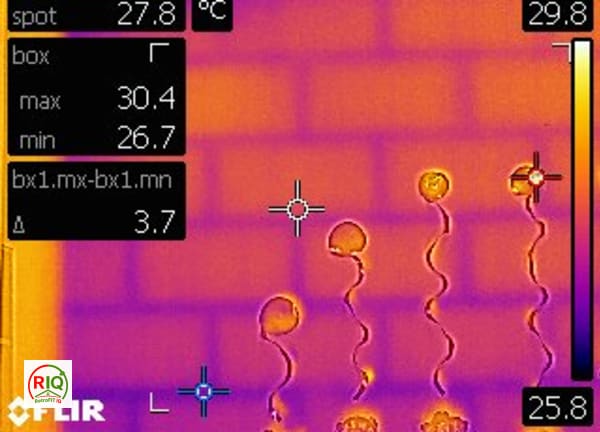
Thermal Bridging Visible Through Masonry Blockwork Wall

Thermal Bridge at Internal Corner Wall Junction

Sample Building Performance Investigation Report — Thermal Imaging

Internal door head and reveal next to a framed picture on a warmer external wall

Thermal Bridge at Wall-Ceiling Junction Near Window
No related investigations yet.
Browse all investigationsFrequently asked questions
Do I need a survey before buying a period home?+
Yes — and usually a deeper one than a modern house needs. Period homes have solid, breathable walls, timber floors and decades of alterations, so a Level 3 building survey by someone who understands traditional construction is wise, ideally paired with a performance survey to assess heat loss, damp risk and the cost of comfort.
Why is damp so often misdiagnosed in old houses?+
Because surveyors unfamiliar with traditional construction can read the normal moisture of a solid, breathable wall as 'rising damp' and prescribe injected courses and cement render — impervious materials that stop the wall drying and make it damper. A period-literate, independent diagnosis avoids this expensive mistake.
Are period homes expensive to run?+
They can be, because solid walls lose far more heat than insulated cavities, and old houses are usually leaky with single glazing. The good news is the loss is measurable: a performance survey shows where the heat goes and what a sympathetic, breathable retrofit would cost to fix it.
Can I insulate and seal a period home like a modern one?+
Not with the same materials. Old houses rely on breathable, vapour-open construction, so they need vapour-open insulation and lime-based finishes rather than cement, plastic paints or sealed systems, which can trap moisture and cause damp. The retrofit must respect how the building manages moisture.
What survey level should I get for a Victorian house?+
Generally a Level 3 building survey, because of the age, solid-wall construction and likely alterations — plus a building-performance survey if warmth and running cost matter. A basic HomeBuyers Report rarely does justice to a period property.
Stop guessing — find the real cause
Do not spend money fixing symptoms before you understand the cause. Every home behaves differently, and the only reliable way to know what is happening in yours is professional building performance diagnostics. At RetrofitIQ we verify buildings using the right combination of investigations:
- Thermal imaging
- Blower door testing
- Moisture & dew point readings
- Ventilation review
- Building physics assessment
- Passive House methodology