
Why is my house damp after insulating the loft?
Finding damp or condensation appear after insulating the loft is a classic retrofit surprise, and it has two common mechanisms. First, insulating and sealing the ceiling reduces the air leakage that used to ventilate the home through the loft, so indoor humidity rises and condenses in the rooms below unless ventilation is added. Second, the loft itself is now colder — the insulation keeps the house's heat out of the loft — so any moist air that still reaches the loft condenses on the cold roof timbers, and if roof ventilation was blocked by the new insulation at the eaves, the loft can become damp and musty. Both are about moisture and ventilation, not a fault in the insulation.
 Reviewed by George Sora, Certified Passive House DesignerUpdated June 2026
Quick answer & key takeaways
6 min read- Loft insulation can reduce the air change that used to vent the home.
- A newly colder loft condenses moisture on cold roof timbers.
- Blocking eaves ventilation with insulation traps loft moisture.
- The cause is moisture and ventilation, not faulty insulation.
- Biggest misconception: insulation caused damp, so remove it. Add ventilation instead.
- RetrofitIQ's approach: restore ventilation in the loft and the home, keep the insulation.
What this usually means
Insulating the loft does two things to the home's moisture balance. It seals and slows the air leakage that previously escaped upward through the ceiling and loft, which used to carry moisture away; with that path reduced, indoor humidity can rise, so condensation appears on cold surfaces in the rooms below — windows, walls, corners — unless deliberate ventilation replaces the lost air change. People then blame the insulation, but the insulation is doing its job; the home simply now needs the ventilation it used to get by accident.
In the loft itself, the insulation now sits between the warm house and the loft, so the loft is colder than before. Any warm, moist air that still leaks up — around the hatch, downlighters or gaps — meets the cold roof timbers and underside of the roof and condenses there, leaving the loft damp, with droplets or even mould on the timbers. This is made worse if the new insulation was pushed into the eaves and blocked the roof ventilation that lets the loft breathe. The remedy is to air-seal the ceiling so moist air cannot reach the loft, ensure the loft's roof ventilation is open at the eaves (or use a ventilated/warm-roof strategy), and add ventilation to the home below — keeping the insulation, not removing it.
Common causes
Reduced air change
Sealing the loft cut the accidental ventilation, raising humidity below.
Colder loft condensing moisture
Moist air meets cold roof timbers above the insulation.
Blocked eaves ventilation
Insulation pushed into the eaves stops the loft breathing.
Air leakage into the loft
Moist air leaking up around the hatch and downlighters.
Signs and symptoms
Condensation in rooms after loft work
Indoor humidity risen as ventilation fell.
Damp, musty loft
Moisture condensing on cold roof timbers.
Droplets or mould on roof timbers
Condensation in a now-colder, poorly ventilated loft.
Insulation packed into the eaves
Blocked roof ventilation trapping moisture.
What most people check first
- Whether home ventilation fell after the loft was sealed.
- Whether the loft's eaves ventilation is open.
- Whether moist air is leaking up into the loft.
- Whether the roof timbers are condensing.
What most people miss
- That insulation didn't cause the damp — lost ventilation did.
- That the loft is now colder and can condense moisture.
- That eaves ventilation must stay open.
- That air-sealing the ceiling stops moist air reaching the loft.
The building physics
Loft insulation changes both the air-change rate and the temperature distribution. By slowing the buoyancy-driven leakage through the ceiling, it lowers the home's accidental ventilation, so for the same moisture generation the indoor humidity and dew point rise, increasing condensation on cold surfaces below — a ventilation deficit created by the works. Simultaneously, with the insulation between house and loft, the loft runs colder; its roof surfaces are now well below the indoor dew point, so any moist air that infiltrates the loft condenses on them. A cold roof relies on through-ventilation at the eaves to remove that moisture, so blocking the eaves with insulation turns a minor risk into persistent loft damp.
The corrective measures follow the physics rather than reversing the insulation. Air-sealing the ceiling plane (hatch, downlighters, service penetrations) stops moist indoor air reaching the cold loft, addressing the loft condensation at source; maintaining or restoring eaves ventilation lets the cold loft breathe so any residual moisture is carried away; and adding controlled ventilation to the home (extract, trickle, or mechanical) replaces the air change the sealing removed, bringing indoor humidity down. Measuring the indoor humidity and inspecting the loft confirm the mechanism, so the insulation is retained for its energy benefit while the moisture is managed properly — which is the correct outcome of a fabric-first retrofit done with ventilation in mind.
How to fix damp that appeared after loft insulation
Keep the insulation; air-seal the ceiling, restore eaves ventilation, and add controlled ventilation to the home so the moisture the works trapped is managed properly.
- 01
Confirm the mechanism
Check whether humidity rose below and the loft is condensing.
- 02
Air-seal the ceiling
Seal the hatch, downlighters and penetrations against moist air.
- 03
Open eaves ventilation
Clear or add roof ventilation so the loft breathes.
- 04
Add home ventilation
Provide extract or background ventilation to lower humidity.
- 05
Keep the insulation
Retain the insulation for its energy benefit.
- 06
Verify it dries
Confirm the loft and rooms dry once ventilation is restored.
How to prevent it coming back
- Add ventilation whenever you seal and insulate a loft.
- Never block eaves ventilation with insulation.
- Air-seal the ceiling before adding loft insulation.
- Treat insulation and ventilation as one design.
How Retrofit IQ investigates this
We diagnose why damp followed loft insulation so the moisture is managed and the insulation kept.
Do not spend money fixing symptoms before you understand the cause — investigate first, then build with confidence.
Do I need a professional investigation?
If damp or condensation appeared after insulating the loft, it is worth checking the indoor humidity and inspecting the loft before doing anything drastic. That confirms whether ventilation fell or the loft is condensing, so the fix — air-sealing, eaves ventilation and home ventilation — manages the moisture while keeping the insulation.
Where to go next
Relevant services
Related comparisons
Evidence from Real Projects (24)
Real project and investigation images from our own fieldwork, matched to this page — not stock photography.

Sample Building Performance Investigation Report — Thermal Imaging
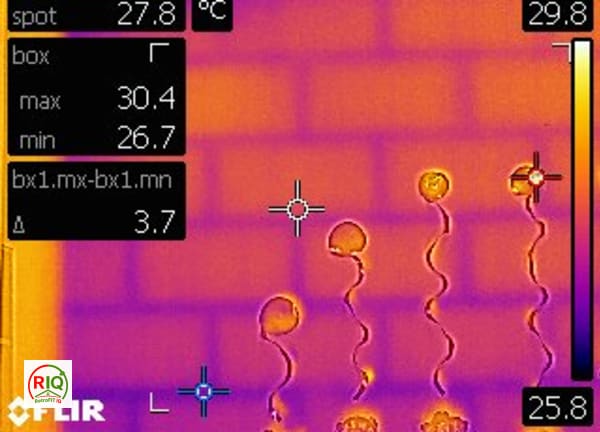
Thermal Bridging Visible Through Masonry Blockwork Wall

Airtightness Testing in a Stratford Victorian Terrace

Thermal Bridge at Internal Corner Wall Junction

Thermal Bridge at Wall-Ceiling Junction Near Window

Acoustic Floor Upgrades: Mineral Wool Insulation Between Joists
No related investigations yet.
Browse all investigationsFrequently asked questions
Why is my house damp after insulating the loft?+
Usually one of two things: insulating and sealing the ceiling reduced the air leakage that used to vent the home, so humidity rose and condenses in the rooms below; or the loft is now colder and moist air reaching it condenses on the cold roof timbers, especially if the insulation blocked the eaves ventilation. Both are about moisture and ventilation, not faulty insulation.
Should I remove the loft insulation?+
No — the insulation is doing its job, and removing it loses the energy benefit. The fix is to manage the moisture: air-seal the ceiling so moist air can't reach the cold loft, restore eaves ventilation, and add ventilation to the home to replace the air change the sealing removed.
Why is my loft damp and musty now?+
Because it's colder than before — the insulation keeps the house's heat out — so any moist air leaking up condenses on the cold roof timbers. If the insulation was packed into the eaves and blocked the roof ventilation, the loft can't breathe and the moisture builds up.
Did the installer do something wrong?+
Sometimes — blocking eaves ventilation or not advising on home ventilation are common omissions. But often the insulation is fine and the home simply now needs the ventilation it used to get by accident. Either way, the fix is ventilation and air-sealing, not removing the insulation.
How do I stop it?+
Air-seal the ceiling plane, make sure the loft's eaves ventilation is open, and add controlled ventilation to the home to bring humidity down. Measuring the indoor humidity and inspecting the loft confirms the mechanism so the right combination is applied.
Stop guessing — find the real cause
Do not spend money fixing symptoms before you understand the cause. Every home behaves differently, and the only reliable way to know what is happening in yours is professional building performance diagnostics. At RetrofitIQ we verify buildings using the right combination of investigations:
- Thermal imaging
- Blower door testing
- Moisture & dew point readings
- Ventilation review
- Building physics assessment
- Passive House methodology