
Will new windows or secondary glazing reduce noise?
New windows usually reduce outside noise, and for many homes they are the most effective single step because windows are the weakest link in a wall's sound insulation — but secondary glazing is often even better, because its wide air gap and independent panes block sound across a broad range of frequencies. Which is right depends on how much noise reduction you need, whether the windows leak air, and whether you want to keep the original windows. And in every case, sealing the gaps and managing ventilation are part of getting it right.
 Reviewed by George Sora, Certified Passive House DesignerUpdated July 2026
Quick answer & key takeaways
8 min read- Windows are usually the weakest link for sound, so improving them helps most.
- New, well-sealed acoustic windows reduce noise, especially by sealing air gaps.
- Secondary glazing is often more effective thanks to its wide air gap and decoupled panes.
- Sealing air leakage around the windows is essential — sound follows the gaps.
- Biggest misconception: any new double glazing solves noise. Specification and air gap matter most.
- Retrofit IQ's approach: target the weakest path, specify for the noise, and keep ventilation right.
What this usually means
In most homes the windows let in far more noise than the walls, because glass is lighter than masonry and any gaps around the frame let sound straight through. So improving the windows is usually the most effective way to cut outside noise. New windows help in two ways: a well-sealed frame stops the air leakage that sound travels through, and acoustic glazing — thicker glass, asymmetric pane thicknesses, and a laminated acoustic layer — blocks more sound than standard units. A standard new double-glazed unit gives some benefit; a properly specified acoustic one gives much more.
Secondary glazing, though, often outperforms even good new windows for noise. Its advantage is physical: it places an independent inner pane well behind the original window, creating a wide air gap that standard sealed units cannot match, and the two decoupled panes do not resonate together. This wide-cavity, decoupled arrangement is very effective at blocking airborne noise across a broad range of frequencies, which is why secondary glazing is so often the chosen solution near busy roads, railways and flight paths — and it keeps the original windows, which matters in period and listed homes.
Whatever route you take, two things are essential. First, sealing the air gaps: sound, like air, takes the path of least resistance, so an otherwise good window that leaks around the frame or through a poor seal will still let noise in — air-sealing is part of any noise treatment. Second, ventilation: sealing windows tightly for noise reduces accidental ventilation, so the room needs adequate controlled ventilation (acoustic trickle vents or mechanical ventilation) to avoid stuffiness and condensation. Specifying the glazing to the actual noise problem, sealing the gaps, and keeping ventilation right together determine how much quieter the room becomes.
Common causes
Windows as the weakest sound path
Lighter glass and frame gaps let in far more noise than the walls, so windows dominate.
Air leakage around the frame
Sound travels through gaps, so a leaky window lets noise in regardless of the glass.
Standard glazing not specified for noise
Ordinary double glazing helps a little; acoustic glazing blocks far more.
Narrow sealed-unit air gap
Sealed units have a limited cavity, so they cannot match secondary glazing's wide gap for noise.
Ventilation lost when sealing
Tightly sealing windows for noise reduces ventilation, risking stuffiness and condensation.
Signs and symptoms
Noise loudest near the windows
Outside noise strongest at the windows confirms they are the weakest sound path.
Draughty windows that also let noise in
Leaky windows letting in both draughts and noise show air gaps are part of the problem.
Standard double glazing not quiet enough
Ordinary units that don't cut noise enough indicate acoustic specification or secondary glazing is needed.
Low-frequency traffic rumble
Persistent rumble suggests a wide air gap (secondary glazing) is needed across frequencies.
Original windows worth keeping
Period or listed windows make secondary glazing the natural noise solution.
What most people check first
- Whether the windows are the loudest sound path (they usually are).
- Whether the windows leak air, letting noise through the gaps.
- How much noise reduction you need, and across what frequencies.
- Whether you want to keep the original windows (favouring secondary glazing).
What most people miss
- That windows are usually the weakest link, so improving them helps most.
- That secondary glazing's wide air gap often beats new windows for noise.
- That sealing air gaps is essential — sound follows the leaks.
- That ventilation must be maintained when sealing for noise.
The building physics
A window's sound reduction is limited by its mass, its airtightness and the resonance behaviour of its panes. Glass is far lighter than masonry, so unimproved windows are the weakest acoustic element of a façade; air gaps around the frame provide direct, high-transmission paths because airborne sound passes readily through openings. Improving the window therefore tackles both: heavier and laminated (acoustic) glass raises the mass and damps resonance, and good seals close the leakage paths. Asymmetric pane thicknesses in an acoustic unit avoid the two panes sharing a coincidence dip at the same frequency, broadening the reduction.
Secondary glazing exploits the geometry that sealed units cannot. Sound insulation between two leaves improves markedly with the depth of the air gap and with decoupling, so the wide cavity (often 100mm or more) and the structural independence of a secondary system give better attenuation, particularly at the lower and mid frequencies that dominate traffic and rail noise, than the narrow, coupled cavity of a sealed double-glazed unit. The two independent panes also resonate at different frequencies, avoiding a shared weak point. This is why secondary glazing frequently outperforms replacement windows acoustically while preserving the original.
Two systemic factors complete the picture. Flanking and leakage: because sound follows the weakest path, an excellent window beside an unsealed gap, a poor reveal, or a flanking route through the structure will underperform, so air-sealing and identifying flanking paths are integral. Ventilation: tightening the façade for noise reduces background air exchange, so controlled ventilation — acoustically attenuated trickle vents, or mechanical ventilation that needs no open window — is required to maintain air quality and avoid condensation. An acoustic assessment that identifies the dominant path and frequencies, the leakage and the ventilation need determines whether acoustic windows or secondary glazing, with sealing and ventilation, will deliver the wanted reduction.
How to reduce noise with windows or secondary glazing
Target the windows as the weakest path: choose acoustic windows or, often better, secondary glazing for its wide air gap; seal the gaps; and provide controlled ventilation.
- 01
Confirm the windows are the main path
Check the noise is loudest at the windows and that they are the weakest acoustic element.
- 02
Choose the right glazing
Specify acoustic windows (laminated, asymmetric panes) or secondary glazing with a wide air gap for more reduction.
- 03
Favour secondary glazing for tough noise
For heavy or low-frequency noise, or to keep original windows, secondary glazing's wide gap is often best.
- 04
Seal the air gaps
Seal around the frames and reveals so sound cannot bypass the glazing through leaks.
- 05
Provide controlled ventilation
Use acoustic trickle vents or mechanical ventilation so sealing for noise doesn't cause stuffiness or condensation.
- 06
Check for flanking paths
Confirm noise isn't also entering by another route that would limit the result.
How to prevent it coming back
- Specify glazing to the actual noise problem and frequencies.
- Use secondary glazing where a wide air gap or keeping originals matters.
- Always seal air gaps around windows as part of noise treatment.
- Maintain controlled ventilation when sealing for noise.
How Retrofit IQ investigates this
We identify the dominant noise path and frequencies and the leakage, then specify acoustic windows or secondary glazing with sealing and ventilation.
Do not spend money fixing symptoms before you understand the cause — investigate first, then build with confidence.
Do I need a professional investigation?
If outside noise is a problem, it is worth an acoustic assessment before choosing windows, because the right answer — acoustic windows or secondary glazing — depends on the noise, the leakage and any flanking paths. Identifying the dominant path and frequencies ensures the glazing is specified to deliver the reduction you want, with ventilation kept right.
Where to go next
Relevant services
Related comparisons
From the Academy
Related case studies
Evidence from Real Projects (31)
Real project and investigation images from our own fieldwork, matched to this page — not stock photography.

Acoustic Floor Upgrades: Mineral Wool Insulation Between Joists

Sample Building Performance Investigation Report — Thermal Imaging
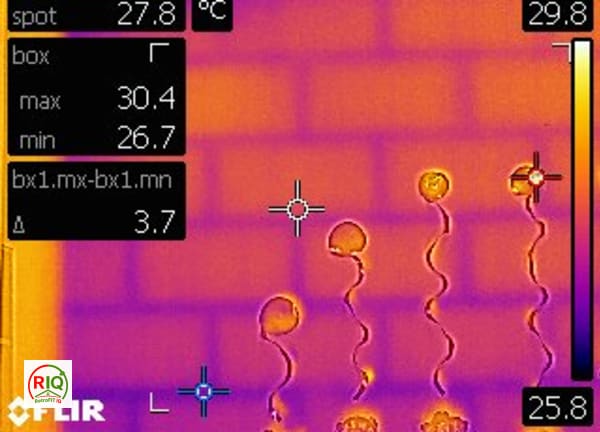
Thermal Bridging Visible Through Masonry Blockwork Wall
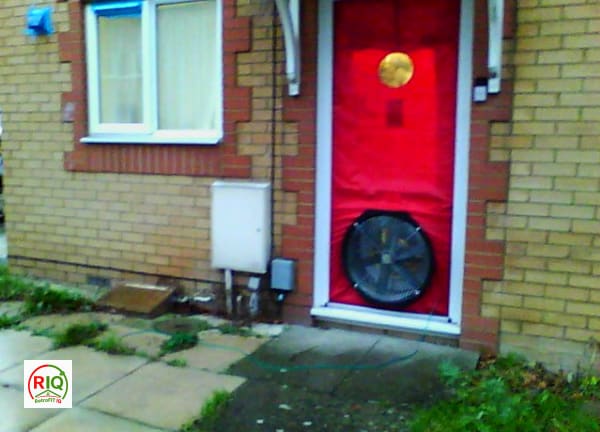
Blower Door Airtightness Test Setup

Stage 3
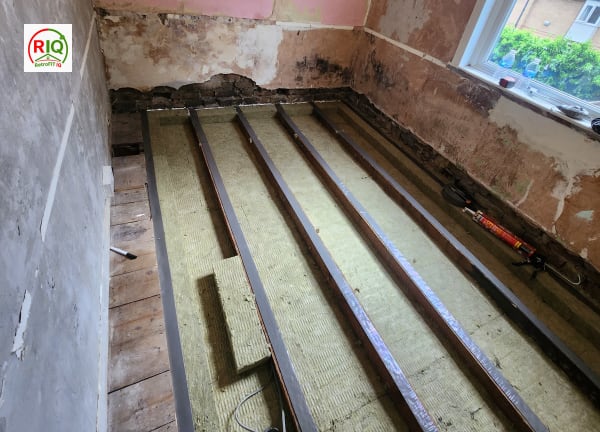
N17 project · pink bedroom
No related investigations yet.
Browse all investigationsFrequently asked questions
Will new windows or secondary glazing reduce noise?+
Both help, and windows are usually the most effective single step because they are the weakest sound path. New acoustic windows reduce noise well, but secondary glazing is often even better thanks to its wide air gap and decoupled panes, which block sound across a broad range of frequencies.
Is secondary glazing better than new windows for noise?+
Often yes. Its wide air gap and independent panes give better attenuation — especially at the low and mid frequencies of traffic and rail noise — than a narrow sealed unit, and it keeps the original windows, which suits period and listed homes.
Does standard double glazing stop noise?+
It helps a little, but ordinary double glazing is not specified for noise. For a real reduction you need acoustic glazing (laminated, asymmetric pane thicknesses) or secondary glazing, plus good sealing around the frame.
Why do I still hear noise through new windows?+
Usually because of air gaps around the frame or reveal — sound follows the leaks like air does — or because the glazing wasn't specified for noise, or because another flanking path is letting sound in. Sealing and proper specification are essential.
Will sealing my windows for noise cause condensation?+
It can, because tighter windows reduce accidental ventilation. So you should provide controlled ventilation — acoustic trickle vents or mechanical ventilation — to keep the room fresh and dry while it is quieter.
Which is right for my home?+
It depends on how much reduction you need, whether the windows leak, and whether you want to keep the originals. An acoustic assessment of the dominant noise path and frequencies shows whether acoustic windows or secondary glazing will deliver it.
How do you decide on glazing for noise?+
We identify the dominant sound path and frequencies and any flanking routes, review the leakage around the windows, and specify acoustic windows or secondary glazing with sealing and controlled ventilation to achieve the reduction you want.
Stop guessing — find the real cause
Do not spend money fixing symptoms before you understand the cause. Every home behaves differently, and the only reliable way to know what is happening in yours is professional building performance diagnostics. At RetrofitIQ we verify buildings using the right combination of investigations:
- Thermal imaging
- Blower door testing
- Moisture & dew point readings
- Ventilation review
- Building physics assessment
- Passive House methodology