
How do I reduce traffic and outside noise?
Traffic and outside noise gets into a home mainly through its weakest acoustic paths — the windows, any gaps and vents, and sometimes lightweight elements — rather than through solid masonry walls. So reducing it is about finding and improving those weak links, especially the glazing and air gaps, while being careful not to simply seal away the ventilation the room needs. The most effective measures target where the sound actually enters.
 Reviewed by George Sora, Certified Passive House DesignerUpdated June 2026
Quick answer & key takeaways
7 min read- Outside noise enters through the weakest paths, not the solid walls.
- Windows, gaps and vents are usually the main routes for traffic noise.
- Improving the weakest link (often the glazing and seals) gives the biggest gain.
- Sealing for sound must not remove necessary ventilation — the two need balancing.
- Biggest misconception: thicker walls are the answer. The windows and gaps matter more.
- Retrofit IQ's approach: identify the dominant sound path, then treat it without harming ventilation.
What this usually means
Sound, like heat, finds the easiest route in. A solid masonry wall is relatively good at blocking airborne traffic noise, so the noise that reaches you indoors has usually come through the weaker elements: the windows, gaps around them, letterboxes, trickle vents and any air paths. This is why a room can feel noisy despite solid walls — the sound is bypassing the strong element and pouring through the weak ones. The single biggest improvement usually comes from upgrading whichever path is currently weakest.
Windows are the most common weak link. Single glazing, thin sealed units, poor seals and ill-fitting frames all let sound through, and even small air gaps transmit a surprising amount of noise. Acoustic glazing — heavier and asymmetric glass with a wider cavity — and well-sealed frames make a marked difference. Because sound and air leak through the same gaps, improving the airtightness of the window also improves its sound resistance, which is why seals and fit matter as much as the glass itself.
The complication is ventilation. The gaps and vents that let noise in are sometimes providing the room's fresh air, so simply sealing everything can trade a noise problem for a stuffiness or condensation one. The right approach reduces noise while maintaining ventilation — for example, acoustic trickle vents, or providing ventilation by another controlled route — so the room stays both quiet and healthy. Identifying the dominant sound path and the ventilation need together is what produces a result that works on both counts.
Common causes
Weak or poorly sealed windows
Single or thin glazing and leaky frames are the usual main route for traffic noise.
Air gaps and trickle vents
Small gaps, vents and letterboxes transmit a disproportionate amount of airborne noise.
Lightweight or weak elements
Lightweight infill panels, thin doors or weak spots can let sound bypass solid walls.
Flanking paths
Sound can travel in via connected structures and around the direct barrier, reducing the benefit of treating one element alone.
Ventilation openings
Openings provided for fresh air can also be the route noise enters, needing acoustic-aware solutions.
Signs and symptoms
Noise much louder near the windows
Traffic noise that is loudest by the glazing identifies the windows as the dominant path.
Noise through vents and gaps
Sound coming from trickle vents, letterboxes or gaps points to air-path transmission.
Quieter with windows shut, still intrusive
A clear drop when windows close but residual noise suggests the glazing and seals need upgrading.
Noise despite solid walls
Intrusive noise in a solid-walled room shows the sound is bypassing the walls via weaker paths.
Worse in a room facing the road
Road-facing rooms suffering most confirms external airborne noise via the façade's weak points.
What most people check first
- Whether the noise is loudest near the windows, vents or gaps.
- Whether closing the windows makes a clear difference.
- Whether the walls are solid (strong) and the windows weak (the likely path).
- Whether the openings letting noise in are also providing ventilation.
What most people miss
- That outside noise enters through the weakest paths, not the solid walls.
- That windows, seals and air gaps usually matter more than wall mass.
- That sealing for sound can remove needed ventilation if not planned.
- That treating the dominant path gives far more benefit than treating a strong one.
The building physics
Airborne sound insulation is governed by the weakest path: the overall reduction a façade provides is limited by its poorest-performing element and any air gaps, much as a chain is limited by its weakest link. Solid masonry walls have high mass and block airborne noise well, so the windows, frames, seals and ventilation openings usually dominate the noise that gets through. Air gaps are especially damaging because sound passes through them almost unimpeded, which is why even a well-glazed window with poor seals underperforms.
Improving glazing works through mass, asymmetry and the cavity. Heavier glass, two panes of different thickness (so they do not resonate together) and a wider air gap raise the window's sound reduction, particularly at the lower frequencies typical of traffic. Sealing the frame and closing air paths removes the leakage routes. Because the same gaps carry both air and sound, acoustic and airtightness improvements reinforce each other — but they reduce uncontrolled ventilation, so the ventilation must be provided deliberately by another route to avoid stuffiness and condensation.
Flanking transmission sets a limit on single-element fixes. Sound can travel via connected structures and around the treated barrier, so upgrading only the window may reveal a flanking path that then dominates. A measured assessment identifies the dominant path and any flanking routes, and weighs the ventilation requirement, so the treatment — acoustic glazing and seals, acoustic vents, and where needed element upgrades — is targeted to deliver a real, audible reduction while keeping the room healthy.
How to reduce outside noise effectively
Find the dominant path the noise takes in — usually the windows and gaps — and improve it, while providing the ventilation the room still needs.
- 01
Identify the dominant sound path
Assess whether the noise enters mainly through the windows, vents, gaps or other weak elements.
- 02
Upgrade the glazing and seals
Fit acoustic glazing (heavier, asymmetric panes, wider cavity) and seal the frames to close air paths.
- 03
Close noise-carrying gaps
Seal gaps, letterboxes and weak points that transmit airborne noise — while keeping ventilation in mind.
- 04
Provide acoustic-aware ventilation
Use acoustic trickle vents or an alternative controlled ventilation route so the room stays fresh and dry.
- 05
Address flanking and weak elements
Treat any flanking paths or lightweight elements that would otherwise dominate after the main path is fixed.
- 06
Verify the reduction
Confirm the noise is audibly reduced and the room remains adequately ventilated.
How to prevent it coming back
- Keep window seals and frames in good condition.
- Specify acoustic glazing where road noise is a known issue.
- Use acoustic-aware ventilation rather than simply blocking vents.
- Treat the dominant noise path rather than the strongest element.
How Retrofit IQ investigates this
We identify the dominant sound path and the ventilation need so noise is reduced without harming air quality.
Do not spend money fixing symptoms before you understand the cause — investigate first, then build with confidence.
Do I need a professional investigation?
If traffic or outside noise is intrusive, it is worth assessing where the sound actually enters and what ventilation the room needs — so the dominant path (usually the windows and gaps) is treated effectively without trading the noise problem for a stuffiness or condensation one.
Where to go next
Relevant services
Related comparisons
From the Academy
Related case studies
Related problems you may also have
Evidence from Real Projects (30)
Real project and investigation images from our own fieldwork, matched to this page — not stock photography.

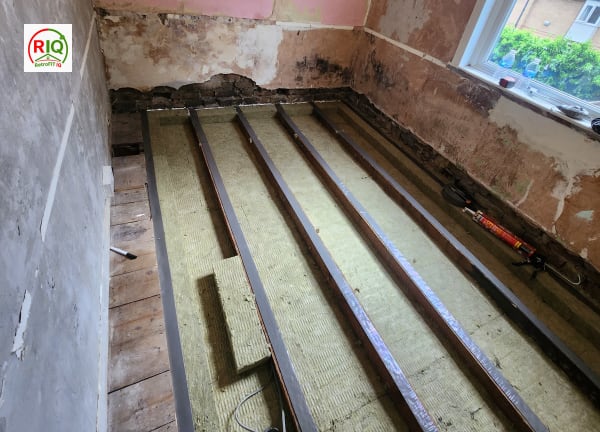
Acoustic Floor Upgrades: Mineral Wool Insulation Between Joists
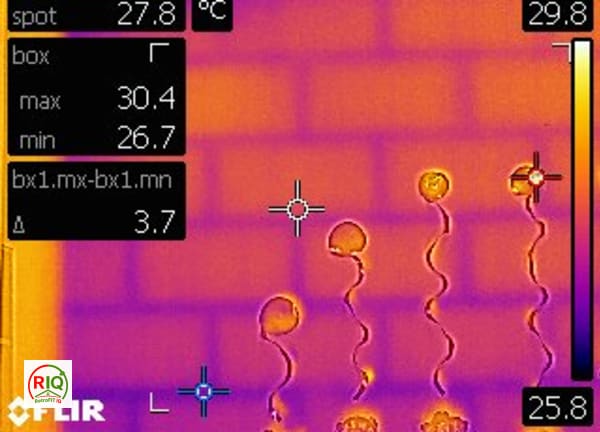
Thermal Bridging Visible Through Masonry Blockwork Wall

Stage 3
N17 project · pink bedroom

Sample Building Performance Investigation Report — Thermal Imaging
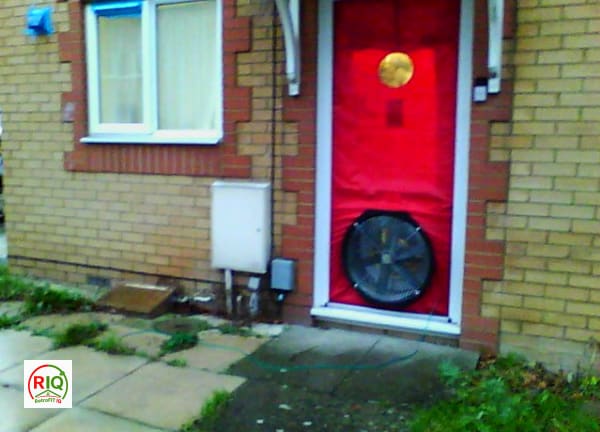
Blower Door Airtightness Test Setup
No related investigations yet.
Browse all investigationsFrequently asked questions
How do I reduce traffic and outside noise?+
Find the weakest path the noise takes in — usually the windows, seals and air gaps rather than the solid walls — and improve it with acoustic glazing and sealing, while providing the ventilation the room still needs through an acoustic-aware route.
Why is my house noisy despite solid walls?+
Because solid walls block airborne noise well, so the sound is bypassing them through the weaker paths — the windows, gaps, vents and letterbox. Treating those weak links is what reduces the noise.
Will acoustic glazing stop road noise?+
It markedly reduces it, especially when the glass is heavier and asymmetric with a wider cavity and the frame is well sealed. Because air gaps carry sound, sealing the frame matters as much as the glass.
Can I just block the trickle vents to cut noise?+
That can reduce noise but removes ventilation the room may need, risking stuffiness and condensation. Acoustic trickle vents or an alternative ventilation route keep the room quiet and healthy.
Why did upgrading my windows not fully solve it?+
Once the windows are improved, a flanking path or another weak element can become the dominant route. A proper assessment identifies all the significant paths so the treatment is complete.
Do thicker walls help with traffic noise?+
Solid walls are already good at blocking airborne noise, so adding mass there usually helps less than improving the windows and sealing the gaps, which are the real weak links.
How do you assess outside noise?+
We identify the dominant sound path and any flanking routes, review the glazing, seals and air gaps, and assess the ventilation need, then target the treatment to reduce noise without harming air quality.
Stop guessing — find the real cause
Do not spend money fixing symptoms before you understand the cause. Every home behaves differently, and the only reliable way to know what is happening in yours is professional building performance diagnostics. At RetrofitIQ we verify buildings using the right combination of investigations:
- Thermal imaging
- Blower door testing
- Moisture & dew point readings
- Ventilation review
- Building physics assessment
- Passive House methodology