
Why are my energy bills higher than similar homes?
If your energy bills are higher than apparently similar homes, the difference almost always lies in how much heat your home loses and how efficiently it is heated — both largely invisible. Hidden gaps in insulation, more air leakage, a more exposed position, older or poorly controlled heating, and simple differences in how the system is run can each add significantly to a bill while leaving two homes looking identical. The way to explain and close the gap is to measure your own home's heat loss and heating efficiency rather than guess, so the spend that is inflating the bill can be pinned down and reduced.
 Reviewed by George Sora, Certified Passive House DesignerUpdated June 2026
Quick answer & key takeaways
5 min read- Higher bills usually mean higher heat loss or less efficient heating — both hidden.
- Missing insulation, more leakage and exposure add to the bill invisibly.
- Heating controls and efficiency vary between similar homes.
- The cause is measurable, not a matter of luck.
- Biggest misconception: similar homes should cost the same. Hidden fabric differs.
- RetrofitIQ's approach: measure heat loss and heating efficiency to find the excess.
What this usually means
Two homes of the same size and age can lose heat at very different rates depending on whether insulation was actually installed and is continuous, how airtight they are, how exposed their position is, and the condition of windows and doors. A home with gaps in its loft or cavity insulation, more air leakage, or two exposed walls on a corner loses more heat, so it needs more energy to stay warm — and the bill rises accordingly, even though the house looks the same as a cheaper-to-run neighbour. None of this is visible without measurement.
Heating efficiency is the other half. An older or poorly maintained boiler, a heat pump running at too high a flow temperature, undersized or poorly balanced radiators, and controls set to heat the home more than needed all push the bill up for the same comfort. Rather than comparing against a neighbour whose fabric and habits you cannot see, the productive step is to measure your own home — thermal imaging for missing insulation, a blower door test for leakage, a heat-loss assessment for where the heat goes, and a review of the heating set-up — so the specific reasons your bill is high are identified and the most cost-effective reductions can be made.
Common causes
Missing or gapped insulation
Incomplete loft or cavity insulation raising heat loss.
More air leakage
Draughts increasing the energy needed to stay warm.
Exposed position
End, corner or exposed homes lose more heat.
Inefficient or mis-set heating
Old boiler, high flow temperature or poor controls wasting energy.
Signs and symptoms
Higher bills for the same comfort
Suggests higher heat loss or lower heating efficiency.
Draughty or cold rooms
Leakage and missing insulation that inflate the bill.
Heating runs longer than neighbours'
More heat needed to reach temperature.
Old or hot-running heating
Lower efficiency raising the cost per unit of heat.
What most people check first
- Whether insulation is actually present and continuous.
- Whether air leakage is higher than it should be.
- Whether the heating is efficient and well controlled.
- Whether the home's position raises its heat loss.
What most people miss
- That similar homes hide very different fabric.
- That heating efficiency varies as much as fabric.
- That bills are explained by measurement, not luck.
- That targeting the biggest loss cuts the bill most.
The building physics
Annual heating energy is roughly the home's total heat-loss coefficient times the heating degree-days divided by the heating system's efficiency. The heat-loss coefficient depends on the elements' U-values, the exposed area and the air-permeability; the efficiency depends on the heat source and how it is run. Two homes can share size and shape yet differ in all of these — one better insulated, tighter and more efficiently heated than the other — producing materially different bills for the same comfort. Because each term is measurable, the excess in a high bill can be traced to specific causes.
Measuring your own home is more reliable than comparing with a neighbour whose hidden fabric and habits you cannot see. Thermal imaging reveals where insulation is missing or bridged, a blower door test quantifies the leakage, a heat-loss assessment apportions the loss across the elements, and a heating review checks the efficiency and controls. Together they show whether the bill is high because of fabric loss, leakage, exposure or heating set-up, so the most cost-effective reductions — usually the largest, cheapest fabric losses first — can be prioritised to bring the bill down.
How to find and cut a higher-than-average bill
Measure your home's heat loss and heating efficiency, then target the biggest, cheapest losses and any heating inefficiency to bring the bill down.
- 01
Image the fabric
Use thermal imaging to find missing or gapped insulation.
- 02
Measure the leakage
Run a blower door test to quantify draughts.
- 03
Assess the heat loss
Apportion where the home loses the most energy.
- 04
Review the heating
Check efficiency, flow temperature and controls.
- 05
Target the biggest losses
Address the largest, cheapest reductions first.
- 06
Verify the saving
Confirm the bill falls for the same comfort.
How to prevent it coming back
- Keep insulation complete and continuous.
- Seal leakage that inflates the bill.
- Run the heating efficiently and well controlled.
- Measure rather than assume your home matches others.
How Retrofit IQ investigates this
We measure your home's heat loss and heating efficiency to explain and cut a higher-than-average bill.
Do not spend money fixing symptoms before you understand the cause — investigate first, then build with confidence.
Do I need a professional investigation?
If your bills are persistently higher than similar homes, it is worth measuring your own heat loss and heating efficiency. Thermal imaging, a blower door test, a heat-loss assessment and a heating review reveal exactly where the excess energy goes, so you can target the most cost-effective reductions rather than guess.
Find where your heat — and money — escapes
High bills mean excessive heat loss. We measure exactly where it goes so you spend on the largest, cheapest savings first.
- Thermal imaging of the whole envelope
- Blower door test for air leakage
- Prioritised, costed savings plan
Where to go next
Relevant services
Related comparisons
Related case studies
Evidence from Real Projects (22)
Real project and investigation images from our own fieldwork, matched to this page — not stock photography.
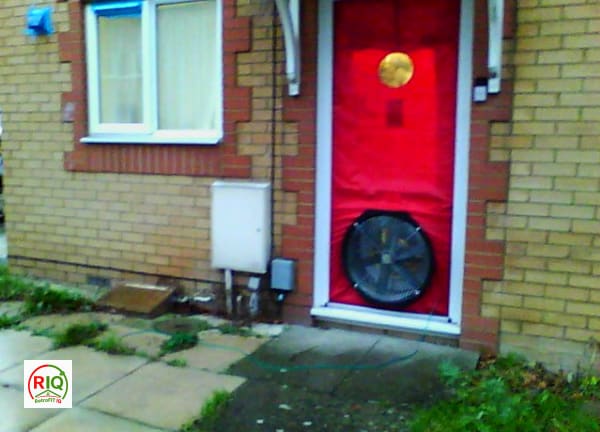
Blower Door Airtightness Test Setup
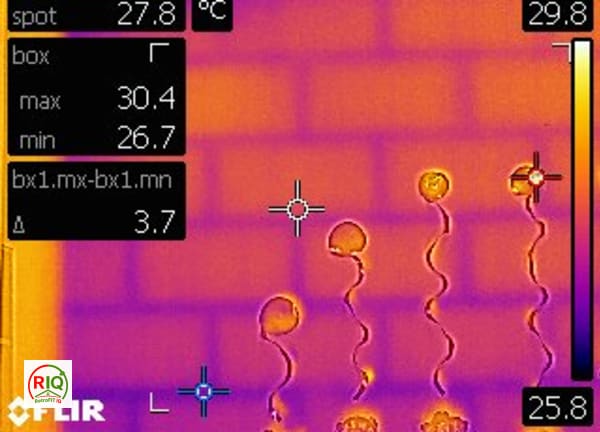
Thermal Bridging Visible Through Masonry Blockwork Wall

Sample Building Performance Investigation Report — Thermal Imaging

Thermal Bridge at Internal Corner Wall Junction

Thermal Bridge at Wall-Ceiling Junction Near Window
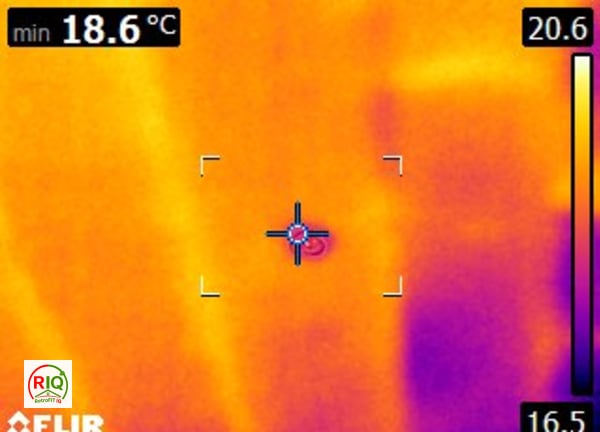
Wall / floor junction
No related investigations yet.
Browse all investigationsFrequently asked questions
Why are my energy bills higher than similar homes?+
Because how much heat your home loses and how efficiently it's heated are mostly invisible, and they vary a lot. Missing insulation, more air leakage, an exposed position, or older, poorly controlled heating can each add significantly to a bill while leaving two homes looking identical. Measuring your own home reveals the specific cause.
Shouldn't the same house cost the same to run?+
Not necessarily. Behind identical façades, one home may have complete insulation, good airtightness and efficient, well-controlled heating while the other doesn't. Those hidden differences produce real differences in bills for the same comfort.
How do I find out what's pushing my bill up?+
Measure it. Thermal imaging shows missing insulation, a blower door test measures leakage, a heat-loss assessment apportions where the heat goes, and a heating review checks efficiency and controls. Together they pinpoint why your bill is high and what to fix.
Could it be the heating rather than the house?+
Yes — an old boiler, a heat pump running too hot, undersized or unbalanced radiators, or controls heating the home more than needed all raise the bill for the same comfort. A heating review checks this alongside the fabric.
What should I fix first?+
Usually the largest, cheapest heat losses — often loft and airtightness — and any clear heating inefficiency. A heat-loss assessment ranks them so you get the biggest bill reduction per pound rather than spending on the wrong thing.
Stop guessing — find the real cause
Do not spend money fixing symptoms before you understand the cause. Every home behaves differently, and the only reliable way to know what is happening in yours is professional building performance diagnostics. At RetrofitIQ we verify buildings using the right combination of investigations:
- Thermal imaging
- Blower door testing
- Moisture & dew point readings
- Ventilation review
- Building physics assessment
- Passive House methodology