
Why is my living room always cold?
A living room that is always cold usually loses heat faster than its heating can replace it, and the reasons cluster around its construction: living rooms often have a lot of external wall, large windows or patio doors, sometimes a chimney, and may be over an unheated space or on a corner with two cold external walls. Each of these raises the heat loss and lowers the surface temperatures, so the room feels cold even when the radiator is on. Bigger radiators or more heating treat the symptom; the lasting fix is to find which of these losses dominates and address it.
 Reviewed by George Sora, Certified Passive House DesignerUpdated June 2026
Quick answer & key takeaways
6 min read- A cold living room loses heat faster than it's supplied.
- Large glazing, much external wall, a chimney or a corner position raise the loss.
- Cold surfaces make the room feel colder than the air temperature.
- More heating treats the symptom, not the cause.
- Biggest misconception: the radiator is too small. Often the fabric loses too much.
- RetrofitIQ's approach: find the dominant loss with thermal imaging and fix it.
What this usually means
Living rooms tend to have features that lose heat. Large windows or patio doors are a big cold area; a lot of external wall — especially on a corner room with two exposed walls — means more surface losing heat and running cold; an open or unused chimney can act like a permanent vent drawing warm air out; and a room over a garage, passage or unheated void loses heat downwards too. Any of these can make the room's heat loss high enough that a normal radiator simply cannot keep up, so the room stays cold however long the heating runs.
Cold surfaces compound the problem by lowering the radiant temperature, so the room feels colder than the thermostat suggests and people turn the heating up further without comfort improving. The way forward is to identify which loss dominates — thermal imaging shows cold walls, glazing and bridges; a draught check or blower door test reveals leakage and a chimney's pull — and then target it: insulating the worst surfaces, improving or dressing the glazing, draught-proofing, and capping or fitting a damper to an unused chimney. Matched to the real loss, the room warms and stays warm.
Common causes
Large glazing
Big windows or patio doors lose a lot of heat and run cold.
Extensive external wall
Corner rooms with two exposed walls lose more heat.
Open or unused chimney
A flue acts as a permanent vent drawing warm air out.
Over an unheated space
A room above a garage or passage loses heat downwards.
Signs and symptoms
Cold despite the radiator on
Heat lost as fast as supplied points to high fabric loss.
Cold walls or glazing
Under-insulated surfaces lowering the felt temperature.
Draught near the fireplace
An open flue venting warm air and pulling in cold.
Colder than other rooms
More external surface or glazing than elsewhere.
What most people check first
- Whether the room has large glazing or much external wall.
- Whether an open chimney is venting warm air.
- Whether the room sits over an unheated space.
- Which surfaces are coldest on a thermal image.
What most people miss
- That a corner room loses heat through two walls.
- That an unused chimney is a permanent draught.
- That cold surfaces make the room feel colder than the air.
- That the dominant loss should be found before adding heat.
The building physics
A room's heat loss is the sum of its fabric losses (each surface's area times its U-value times the temperature difference) plus ventilation and infiltration losses. Living rooms accumulate several high-loss elements at once — large glazing with a poor U-value, extensive external wall, sometimes two exposed walls on a corner, and an open flue providing a large infiltration path — so their total loss is frequently the highest in the house. When that loss exceeds the radiator's output, the room cannot reach temperature; the answer is to reduce the loss, not just add output.
Lower surface temperatures also reduce comfort independently of air temperature, because the body radiates heat to cold walls and glazing, so the room feels colder than the thermostat reads. Identifying the dominant loss with thermal imaging (cold walls, glazing, bridges) and a leakage check (draughts, chimney pull) directs the remedy efficiently: insulate the worst surfaces, upgrade or dress the glazing, draught-proof, and control the flue. Reducing the loss warms the surfaces and lets the existing heating keep up, which is both more comfortable and cheaper than chasing the loss with ever more heat.
How to warm a cold living room
Find the dominant heat loss — glazing, walls, chimney or floor — with thermal imaging and a leakage check, then target it so the room warms and the existing heating keeps up.
- 01
Image the room
Use thermal imaging to find the coldest surfaces and bridges.
- 02
Check the chimney and draughts
Establish whether an open flue or leakage is venting heat.
- 03
Insulate the worst surfaces
Address the walls or floor losing the most heat.
- 04
Improve the glazing
Upgrade, dress or draught-proof large windows and doors.
- 05
Control the flue
Cap or fit a damper to an unused chimney.
- 06
Verify warmth
Confirm the room now reaches and holds temperature.
How to prevent it coming back
- Address the dominant loss before adding heating.
- Don't leave an unused chimney open to vent heat.
- Keep large glazing dressed and draught-proofed.
- Insulate corner and exposed walls.
How Retrofit IQ investigates this
We find the dominant heat loss in a cold living room so the fix is targeted, not guessed.
Do not spend money fixing symptoms before you understand the cause — investigate first, then build with confidence.
Do I need a professional investigation?
If a living room never warms up despite the heating, it is worth thermal imaging and a leakage check to find which loss dominates. Targeting the real cause — glazing, walls, chimney or floor — warms the room and lets the existing heating keep up, rather than spending on more output that the losses defeat.
Where to go next
Relevant services
Related comparisons
Related case studies
Evidence from Real Projects (21)
Real project and investigation images from our own fieldwork, matched to this page — not stock photography.
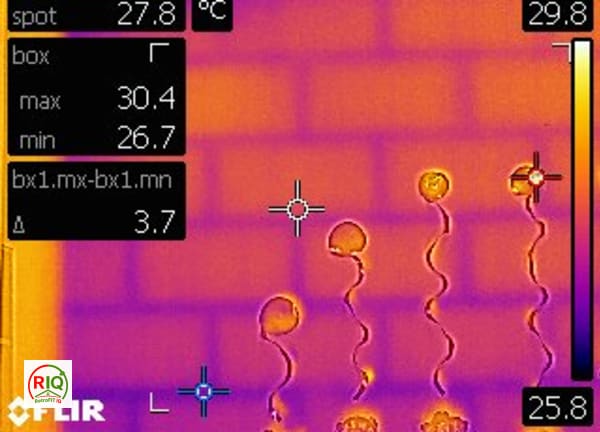
Thermal Bridging Visible Through Masonry Blockwork Wall

Sample Building Performance Investigation Report — Thermal Imaging
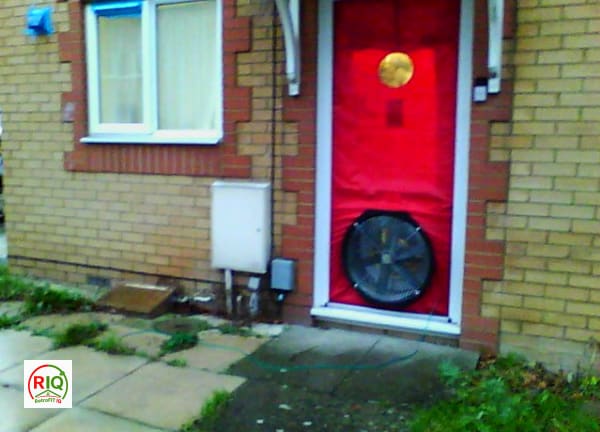
Blower Door Airtightness Test Setup

Thermal Bridge at Wall-Ceiling Junction Near Window

Thermal Bridge at Internal Corner Wall Junction
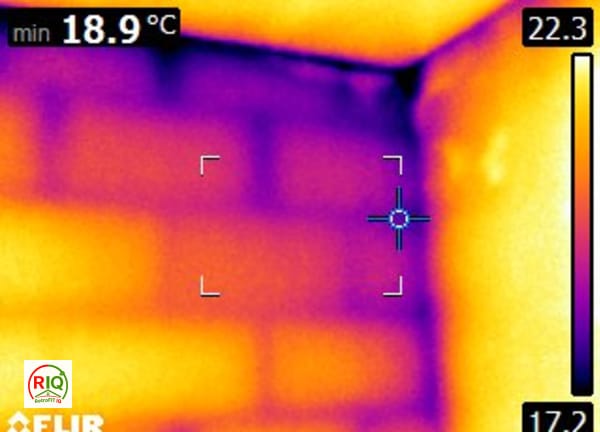
Cold wall surface vs warm ceiling
No related investigations yet.
Browse all investigationsFrequently asked questions
Why is my living room always cold?+
Usually because it loses heat faster than the heating can replace it. Living rooms often have large windows or patio doors, a lot of external wall (especially on a corner), an open chimney venting warm air, or sit over an unheated space — any of which raises the heat loss enough that a normal radiator can't keep up.
Should I just fit a bigger radiator?+
That treats the symptom. If the room loses too much heat through cold glazing, walls, a flue or the floor, a bigger radiator raises bills without fixing the cold surfaces that make it feel chilly. Finding and reducing the dominant loss is the lasting fix.
Could the chimney be the problem?+
Often, yes. An open, unused flue acts as a permanent vent, drawing warm air out and pulling cold air in — a significant heat loss and draught. Capping it or fitting a damper can make a noticeable difference to a cold living room.
Why does it feel colder than the thermostat says?+
Because cold walls and large glazing lower the radiant temperature, so your body loses heat to them and the room feels colder than the air. Warming those surfaces with insulation and better glazing improves comfort more than raising the air temperature.
How do I find the cause?+
Thermal imaging shows the coldest surfaces and bridges, and a draught or blower door check reveals leakage and chimney pull. Together they identify which loss dominates, so the remedy is targeted and the existing heating can finally keep up.
Stop guessing — find the real cause
Do not spend money fixing symptoms before you understand the cause. Every home behaves differently, and the only reliable way to know what is happening in yours is professional building performance diagnostics. At RetrofitIQ we verify buildings using the right combination of investigations:
- Thermal imaging
- Blower door testing
- Moisture & dew point readings
- Ventilation review
- Building physics assessment
- Passive House methodology