
How do I ventilate a home without losing heat?
Ventilating a home without losing heat seems contradictory — fresh air comes in cold and warm air goes out — but it is exactly what controlled ventilation, and especially heat recovery, is designed to solve. The trick is to stop ventilating by accident, through draughts and open windows that dump heat uncontrollably, and instead ventilate deliberately at the right rate, recovering the heat from the air you expel. In a leaky home the priority is to seal the uncontrolled leakage and provide good extract; in an airtight home, mechanical ventilation with heat recovery (MVHR) supplies fresh air and reclaims most of the warmth from the stale air leaving. Either way, the answer is controlled ventilation, not no ventilation.
 Reviewed by George Sora, Certified Passive House DesignerUpdated June 2026
Quick answer & key takeaways
6 min read- Accidental draughts and open windows ventilate at the cost of uncontrolled heat loss.
- Controlled ventilation supplies the right amount of fresh air deliberately.
- Heat recovery (MVHR) reclaims most of the heat from the air you expel.
- Seal uncontrolled leakage first, then ventilate by design.
- Biggest misconception: you must choose between fresh air and warmth. You can have both.
- RetrofitIQ's approach: measure leakage and ventilation, then design controlled, low-loss air change.
What this usually means
Most of the heat 'lost to ventilation' in ordinary homes is actually lost to uncontrolled leakage and to opening windows — warm indoor air escaping and cold air pouring in, with no control over the rate. The first step to ventilating without losing heat is therefore to take control: seal the random gaps that leak heat regardless of need, and replace them with ventilation you can turn up and down to match demand. A draughty home wastes heat ventilating itself badly; a sealed home with proper ventilation wastes far less while staying healthier.
Once leakage is controlled, the remaining ventilation can be made low-loss. Demand-controlled extract fans run only as fast as the moisture requires; trickle vents provide measured background air; and in an airtight home, MVHR is the most effective answer — it continuously supplies fresh air to living spaces and extracts from wet rooms, passing the outgoing warm air through a heat exchanger that transfers most of its heat to the incoming fresh air. The fresh air arrives pre-warmed, so the home is fully ventilated with only a small fraction of the heat loss that open windows would cause.
The right balance depends on the home. A leakier home benefits most from sealing and good extract; an airtight, insulated home benefits from MVHR, but only if it is airtight enough for the heat recovery to be worthwhile and the system is properly designed and commissioned. Measuring the airtightness and the ventilation need shows which approach delivers fresh air with the least heat penalty, so you stop trading warmth for air quality and get both.
Common causes
Uncontrolled leakage
Random draughts ventilate the home while wasting heat with no control.
Open windows for fresh air
Effective but dumps heat uncontrollably, especially in winter.
No heat recovery
Extract-only ventilation throws away the heat in the expelled air.
Poorly matched ventilation
Over- or under-ventilating wastes heat or harms air quality.
Signs and symptoms
Cold when you open windows to clear stuffiness
Shows ventilation is costing heat because it's uncontrolled.
Draughty and stuffy at once
Leakage in the wrong places with poor purposeful ventilation.
High bills in a ventilated home
Suggests ventilation heat loss is uncontrolled or recovery is absent.
Condensation if windows stay shut
Ventilation need that's currently met only by losing heat.
What most people check first
- How airtight the home is and how much heat leakage wastes.
- Whether ventilation is controlled or happening by accident.
- Whether extract is demand-controlled or running needlessly.
- Whether the home is airtight enough for heat recovery to pay.
What most people miss
- That most ventilation heat loss is actually uncontrolled leakage.
- That sealing the home is the first step to low-loss ventilation.
- That heat recovery reclaims most of the warmth in expelled air.
- That you can have fresh air and warmth together with the right system.
The building physics
Ventilation heat loss is the air-change rate times the volume times the temperature difference times the heat capacity of air — so for a given indoor-outdoor temperature difference, the heat lost is proportional to how much air you exchange. The problem with accidental leakage and open windows is that they fix the air-change rate by weather and chance, not by need, so the home is often grossly over-ventilated (and over-cooled) when it is windy or a window is open, and under-ventilated when it is still. Controlled ventilation instead sets the air change to just meet the moisture and air-quality demand, minimising the volume of air — and therefore heat — exchanged.
Heat recovery then reclaims most of the remaining loss. An MVHR unit passes the outgoing warm, stale air and the incoming cold, fresh air through a heat exchanger that transfers a large proportion of the heat from one stream to the other without mixing them, so the fresh air enters pre-warmed and the ventilation heat loss is cut to a fraction of its uncontrolled value. This only works well when the home is airtight enough that the controlled flow dominates over leakage — otherwise the unrecovered leakage swamps the saving. The sequence is therefore to measure and reduce leakage with a blower door test and sealing, then provide controlled, demand-matched ventilation, adding heat recovery where the airtightness justifies it — delivering fresh air with the least possible heat penalty.
How to ventilate without wasting heat
Seal the uncontrolled leakage, provide demand-matched controlled ventilation, and add heat recovery where the home is airtight enough — so fresh air comes with minimal heat loss.
- 01
Measure and seal leakage
Use a blower door test to find and seal the uncontrolled gaps.
- 02
Match ventilation to demand
Use demand-controlled extract and trickle ventilation, not constant over-ventilation.
- 03
Avoid heat-dumping habits
Replace reliance on open windows with controlled air change.
- 04
Add heat recovery if airtight
Install MVHR where the home is sealed enough for recovery to pay.
- 05
Design and commission properly
Ensure flows and balancing are correct so the system performs.
- 06
Verify air quality and warmth
Confirm humidity and CO₂ are controlled with minimal heat loss.
How to prevent it coming back
- Seal uncontrolled leakage before relying on open windows.
- Match ventilation rate to the actual moisture and air-quality demand.
- Use heat recovery in airtight homes to reclaim the warmth.
- Commission ventilation so it delivers its design performance.
How Retrofit IQ investigates this
We measure leakage and ventilation need to design controlled, low-loss air change — fresh air without the heat penalty.
Do not spend money fixing symptoms before you understand the cause — investigate first, then build with confidence.
Do I need a professional investigation?
If clearing stuffiness or condensation means opening windows and losing warmth, or your bills are high in a home that needs constant ventilation, it is worth measuring the airtightness and ventilation need. That shows whether sealing and better extract, or heat-recovery ventilation, will give you fresh air and warmth together rather than trading one for the other.
Get the right ventilation, measured not guessed
We measure humidity, CO₂ and airtightness so you fit the least intervention that delivers healthy air — better fans, PIV or MVHR.
- Humidity & CO₂ logging
- Airtightness test
- Ventilation specified to your home
Where to go next
Relevant services
Related comparisons
Evidence from Real Projects (19)
Real project and investigation images from our own fieldwork, matched to this page — not stock photography.
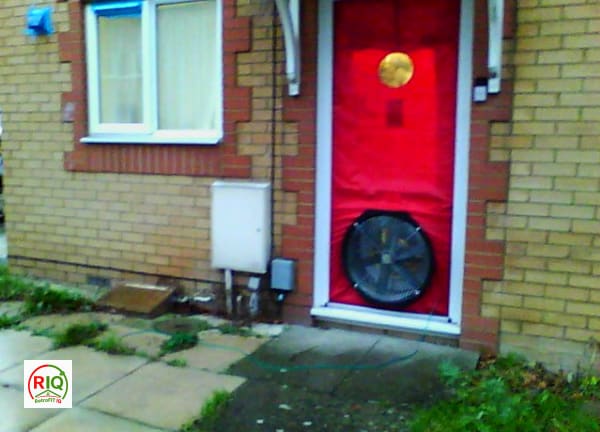
Blower Door Airtightness Test Setup
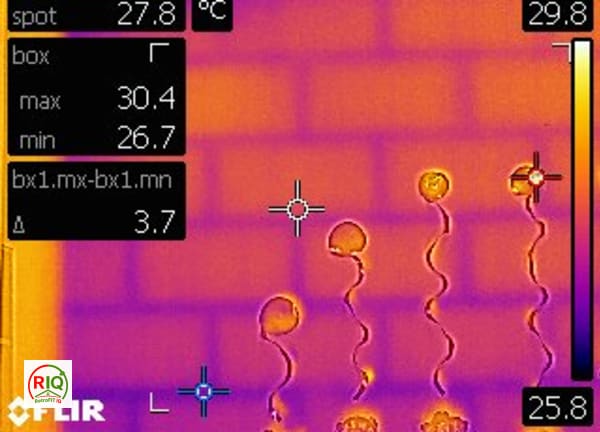
Thermal Bridging Visible Through Masonry Blockwork Wall

Sample Building Performance Investigation Report — Thermal Imaging

Thermal Bridge at Internal Corner Wall Junction

Thermal Bridge at Wall-Ceiling Junction Near Window
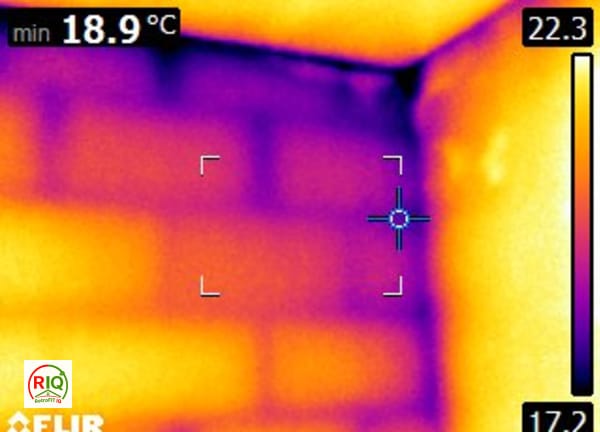
Cold wall surface vs warm ceiling
No related investigations yet.
Browse all investigationsFrequently asked questions
How do I ventilate a home without losing heat?+
By ventilating deliberately rather than by accident. Seal the uncontrolled draughts that dump heat, match the ventilation rate to what the home actually needs, and — in an airtight home — use heat-recovery ventilation (MVHR) that reclaims most of the warmth from the air you expel. That gives you fresh air with only a fraction of the heat loss of open windows.
Doesn't ventilation always lose heat?+
Some, but far less if it's controlled. Most 'ventilation' heat loss in ordinary homes is actually uncontrolled leakage and open windows, which exchange far more air than needed. Controlled ventilation exchanges only what's required, and heat recovery reclaims most of even that.
What is MVHR and how does it help?+
Mechanical ventilation with heat recovery supplies fresh air and extracts stale air continuously, passing both through a heat exchanger that transfers most of the heat from the outgoing air to the incoming fresh air. The fresh air arrives pre-warmed, so the home is fully ventilated with minimal heat loss — but it needs an airtight home to be worthwhile.
Should I seal my home or ventilate it?+
Both, in order. Seal the uncontrolled leakage first so heat loss is controlled, then provide deliberate ventilation to keep the air healthy. Sealing without ventilating causes condensation; ventilating without sealing wastes heat. Controlled ventilation in a sealed home gives warmth and fresh air together.
How do I know if heat recovery is worth it for me?+
It depends on your airtightness. Heat recovery only pays when the home is sealed enough that the controlled flow dominates over leakage. A blower door test and a ventilation assessment show whether MVHR is justified or whether sealing and better extract is the more cost-effective route.
Stop guessing — find the real cause
Do not spend money fixing symptoms before you understand the cause. Every home behaves differently, and the only reliable way to know what is happening in yours is professional building performance diagnostics. At RetrofitIQ we verify buildings using the right combination of investigations:
- Thermal imaging
- Blower door testing
- Moisture & dew point readings
- Ventilation review
- Building physics assessment
- Passive House methodology