
How much does a blower door test cost, and is it worth it?
A blower door test — also called an airtightness or air-pressure test — measures how much uncontrolled air leaks into and out of your home, and locates where. The cost depends on the size and complexity of the property, whether it is a simple compliance test or a full diagnostic with smoke and thermal imaging to find every leak, and where you are in the country. For most homeowners the question behind the price is whether it is worth it, and the answer turns on what the leakage is costing you: in a draughty home, air leakage can be one of the largest heat losses, so a test that finds and prioritises the leaks usually pays for itself many times over in targeted, effective sealing.
 Reviewed by George Sora, Certified Passive House DesignerUpdated June 2026
Quick answer & key takeaways
7 min read- A blower door test measures and locates uncontrolled air leakage in a home.
- Cost varies with property size, test type and region, and whether leak-finding is included.
- A diagnostic test with smoke and thermal imaging costs more but locates every leak.
- Air leakage is often a major heat loss, so sealing the right leaks saves real money.
- Biggest misconception: a test just gives a number. The value is in finding where to seal.
- RetrofitIQ's approach: a diagnostic test that prioritises sealing by impact, not guesswork.
What this usually means
There are two broad reasons to have a blower door test, and they price differently. The first is compliance — a single air-permeability figure required for Building Regulations on a new build or extension, which is a relatively quick, standardised test producing a number. The second is diagnostic — finding out where a home leaks so you can fix it — which involves depressurising the house and then walking it with smoke pencils, an anemometer and often thermal imaging to trace each leakage path. The diagnostic test takes longer and costs more, but it is the one that actually saves a homeowner money, because the number alone tells you little about what to do.
What drives the cost is mainly the size and complexity of the property, the type of test, travel, and whether leak-location and a written report are included. A small flat is quicker than a large, rambling house; a bare compliance test is cheaper than a full diagnostic survey; and adding thermal imaging or a detailed report adds value and cost. It is worth asking exactly what is included — some quotes are for the number only, others for a full leak-finding survey with a prioritised list of fixes — because comparing a bare test with a full diagnostic on price alone is misleading.
Whether it is worth it comes down to what the leakage is costing. In an older or draughty home, infiltration — air leaking through gaps around floors, skirtings, services, loft hatches, windows and doors — can be one of the single largest heat losses, larger than people expect, and it is the cause of those draughts you can feel but cannot find. A diagnostic test reveals exactly where that air is moving, so sealing is targeted at the leaks that matter rather than sprayed around at random. Because effective, prioritised sealing is one of the cheapest ways to cut heat loss and improve comfort, the test usually pays back quickly — and it stops you wasting money sealing the wrong things or over-sealing a home that needs the ventilation.
Common causes
Compliance vs diagnostic test
A regs number is cheaper; a leak-finding survey costs more but guides the fix.
Property size and complexity
Larger, more complex homes take longer and cost more to test.
Leak-finding and reporting
Smoke, thermal imaging and a written report add value and cost.
Region and travel
Location and distance affect the quoted price.
Signs and symptoms
Draughts you can feel but not find
Hidden leakage paths are exactly what a diagnostic test locates.
High bills in a leaky home
Large infiltration losses make the test's payback fast.
Cold despite insulation
Air leakage can undermine insulation, which a test will reveal.
Planned sealing works
Testing first ensures the sealing budget targets the real leaks.
What most people check first
- Whether you need a compliance figure or a diagnostic leak-finding survey.
- What the quote includes — number only, or smoke, thermal imaging and a report.
- The size and complexity of the property being tested.
- Whether the home is leaky enough that targeted sealing will pay back quickly.
What most people miss
- That the value is in locating leaks, not just producing a number.
- That air leakage is often a bigger heat loss than people assume.
- That a cheap compliance test and a full diagnostic are not the same product.
- That testing first prevents wasted spend on the wrong sealing.
The building physics
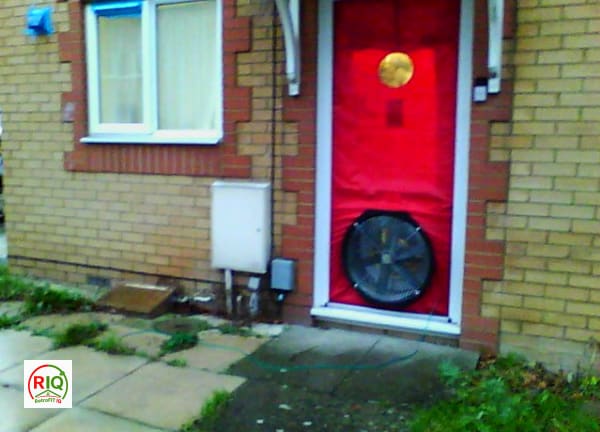
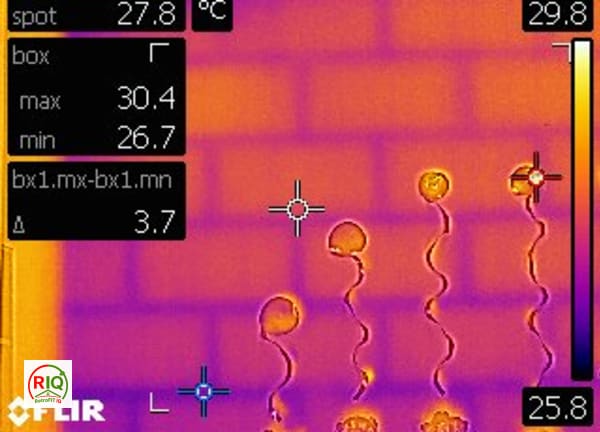
A blower door fits a calibrated fan into an external doorway and either pressurises or depressurises the house to a reference pressure, typically 50 pascals. The fan's airflow needed to hold that pressure is a direct measure of the total leakage, normally expressed as air changes per hour at 50 Pa or as air permeability in cubic metres per hour per square metre of envelope. That figure quantifies the problem; but the money-saving part is what happens while the house is depressurised — air is drawn in through every gap, so smoke pencils, a hand held at suspect junctions and a thermal camera (which sees the cold streaks where outside air enters) reveal precisely where the leakage is and how significant each path is.
This matters because infiltration heat loss scales with the leakage rate and the temperature difference, and in a draughty home it can rival or exceed the fabric loss through the walls. Crucially, leakage is concentrated — a relatively small number of paths often account for most of it — so locating and sealing those few worst offenders captures most of the benefit cheaply, whereas random sealing wastes effort on minor gaps and may miss the big ones. The test also guards against over-sealing: a home still needs controlled ventilation, so the diagnostic distinguishes the uncontrolled leakage worth sealing from the purpose-provided ventilation that must remain. That targeting — fixing the leaks that matter while protecting the ventilation — is why the test repays its cost.
How to get value from a blower door test
Decide whether you need a compliance number or a diagnostic survey, get the leak-finding included, then seal the prioritised leaks while keeping the ventilation the home needs.
- 01
Define what you need
Choose a compliance test for regs, or a diagnostic survey to find and fix leaks.
- 02
Compare like with like
Check whether quotes include smoke, thermal imaging and a written report.
- 03
Get the leaks located
Have the worst leakage paths identified and ranked by impact.
- 04
Seal by priority
Fix the largest leaks first for the greatest gain per pound.
- 05
Protect ventilation
Keep purpose-provided ventilation while sealing uncontrolled leakage.
- 06
Re-test to verify
Confirm the sealing worked with a follow-up measurement where worthwhile.
How to prevent it coming back
- Test before sealing so the budget targets the real leaks.
- Don't pay for a number when you need a leak-finding survey.
- Avoid over-sealing — keep the ventilation the home needs.
- Prioritise the few worst leaks rather than chasing every minor gap.
How Retrofit IQ investigates this
We run diagnostic airtightness tests that not only measure leakage but pinpoint and rank the leaks to seal.
Do not spend money fixing symptoms before you understand the cause — investigate first, then build with confidence.
Do I need a professional investigation?
If your home is draughty, cold despite insulation, or expensive to heat — or you are about to spend on sealing or a heat pump — a diagnostic blower door test is worth it. It measures the leakage, locates the worst paths and prioritises the fixes, so you seal effectively, save more than the fee, and avoid both wasted sealing and over-sealing.
Get an independent, product-neutral survey
We are paid for the diagnosis, not the cure — so the report finds the real cause and the cheapest correct fix, with nothing to sell you.
- Paid for the findings, no treatment to sell
- Thermal imaging, airtightness & moisture readings
- Written report with the least-cost remedy
Where to go next
Relevant services
Related comparisons
From the Academy
Related case studies
Evidence from Real Projects (15)
Real project and investigation images from our own fieldwork, matched to this page — not stock photography.


No related investigations yet.
Browse all investigationsFrequently asked questions
How much does a blower door test cost?+
It varies with the size and complexity of the property, whether it is a simple compliance test or a full diagnostic with leak-finding, and your region. A bare regs number is cheaper than a diagnostic survey that locates every leak with smoke and thermal imaging and gives you a prioritised list of fixes. Always check what the quote actually includes.
Is a blower door test worth it?+
In a draughty or expensive-to-heat home, usually yes. Air leakage is often one of the largest heat losses, and a diagnostic test finds exactly where to seal — so targeted sealing saves more than the test costs, and you avoid wasting money on the wrong gaps or over-sealing.
What's the difference between a compliance and a diagnostic test?+
A compliance test gives a single airtightness figure required for Building Regs. A diagnostic test depressurises the home and uses smoke and thermal imaging to locate and rank the leaks so you can fix them. The number tells you little about what to do; the diagnostic does.
Can a test tell me where the draughts are?+
Yes — that is the most valuable part. With the house depressurised, air is drawn in through every gap, so smoke pencils and a thermal camera reveal the precise leakage paths, including the draughts you can feel but cannot find. You then seal the ones that matter most.
Will sealing leaks make my home too airtight?+
Not if it is done properly. A good diagnostic distinguishes uncontrolled leakage worth sealing from the purpose-provided ventilation a home needs. You seal the random gaps while keeping or improving controlled ventilation, so the house is tighter, warmer and still healthy.
Stop guessing — find the real cause
Do not spend money fixing symptoms before you understand the cause. Every home behaves differently, and the only reliable way to know what is happening in yours is professional building performance diagnostics. At RetrofitIQ we verify buildings using the right combination of investigations:
- Thermal imaging
- Blower door testing
- Moisture & dew point readings
- Ventilation review
- Building physics assessment
- Passive House methodology