
How do I stop draughts from my floorboards?
Draughts coming up through floorboards are cold air from the ventilated void beneath a suspended timber floor, leaking into the room through the gaps between the boards and around the floor edges. The void is deliberately ventilated by airbricks to keep the timbers dry, so it is cold and breezy, and as warm air rises and escapes higher in the house, cold void air is drawn up through every shrinkage gap. Stopping the draughts means sealing those gaps and the floor perimeter — or insulating and sealing the floor from below — while keeping the airbricks clear so the timbers stay dry.
 Reviewed by George Sora, Certified Passive House DesignerUpdated June 2026
Quick answer & key takeaways
5 min read- Floorboard draughts are cold void air leaking up through gaps.
- The void is ventilated by airbricks, so it's cold and breezy.
- Warm air rising draws cold air up through the gaps.
- Seal the gaps and perimeter, but keep the airbricks clear.
- Biggest misconception: block the airbricks. That risks rot.
- RetrofitIQ's approach: seal the leakage paths while preserving void ventilation.
What this usually means
A suspended timber floor has boards over joists above a ventilated void. Over time the boards shrink, opening gaps between them, and the junction where the boards meet the walls is rarely sealed. Because the void is connected to outside air through the airbricks, it is cold; and the stack effect — warm air escaping high in the house — draws that cold void air up through the board gaps and the perimeter into the room, producing the familiar draughts across a wooden floor, worst near the walls and when the heating is on.
The fix is to seal the air paths into the room: fill the gaps between the floorboards (with proprietary sealing strips, slivers of timber, or a flexible filler that copes with movement), and seal the perimeter where the boards meet the walls, behind the skirting. Where you can access the void from below, insulating between the joists and sealing from underneath is even more effective and warms the floor too. The one rule throughout is to keep the airbricks clear: the void must stay ventilated to keep the timbers dry, so you seal the leakage into the living space, never the ventilation of the void itself.
Common causes
Shrinkage gaps between boards
Cold void air leaks up through the gaps.
Unsealed floor perimeter
The board-to-wall junction lets void air into the room.
Ventilated cold void
Airbricks keep the void cold and connected to outside.
Stack effect
Warm air rising draws cold air up through the floor.
Signs and symptoms
Cold air felt across the floor
Void air leaking up through board gaps.
Visible gaps between boards
Shrinkage paths for cold air.
Draughts worse near the walls
Leakage at the floor perimeter.
Worse when heating is on
Stronger stack effect drawing air up.
What most people check first
- Whether the floor is suspended timber over a ventilated void.
- Whether there are gaps between the boards.
- Whether the floor perimeter is sealed behind the skirting.
- Whether the airbricks are clear and must stay so.
What most people miss
- That the draught comes from the cold void below.
- That blocking airbricks risks rot.
- That the perimeter junction leaks as much as the board gaps.
- That sealing from below also warms the floor.
The building physics
The void beneath a suspended floor is cross-ventilated by airbricks to keep the timbers dry, so it sits near outdoor temperature and is connected to outside pressure. The room above is warmer and, through the stack effect, slightly depressurised at low level when warm air escapes higher up, so air flows from the cold void into the room through any opening — chiefly the inter-board shrinkage gaps and the unsealed board-to-wall perimeter. The draught is therefore infiltration driven by buoyancy and the void's outdoor connection, not a property of the boards themselves.
Sealing must close the leak into the living space while preserving the void's ventilation. Filling the board gaps and the perimeter from above stops the air entering the room; insulating and air-sealing between the joists from below does the same while also cutting the conductive heat loss and warming the floor. The airbricks stay clear so the void continues to be ventilated and the timbers stay dry. A blower door test with smoke or thermal imaging confirms the floor as the leakage path beforehand and verifies the seal afterwards, ensuring the draught is stopped without compromising the floor structure.
How to seal draughty floorboards
Fill the gaps between the boards and seal the floor perimeter — or insulate and seal from below — while keeping the airbricks clear so the void stays ventilated.
- 01
Confirm the source
Check the floor is suspended and the draught comes from the void.
- 02
Fill board gaps
Seal shrinkage gaps with strips, slivers or flexible filler.
- 03
Seal the perimeter
Close the board-to-wall junction behind the skirting.
- 04
Insulate from below if possible
Insulate and air-seal between the joists where accessible.
- 05
Keep airbricks clear
Preserve the under-floor ventilation for the timbers.
- 06
Verify the seal
Confirm the draught is gone and the void still ventilated.
How to prevent it coming back
- Seal the floor, not the airbricks.
- Use flexible fillers that cope with board movement.
- Seal the perimeter as well as the board gaps.
- Keep the void ventilated to protect the timbers.
How Retrofit IQ investigates this
We confirm the floor void as the draught source and detail sealing that preserves the under-floor ventilation.
Do not spend money fixing symptoms before you understand the cause — investigate first, then build with confidence.
Do I need a professional investigation?
If draughts come up through your floorboards, it is worth confirming the void as the source with a blower door test or thermal imaging. That locates the leakage precisely, so it can be sealed effectively — from above or below — while keeping the airbricks clear, stopping the draught without risking the timbers.
Where to go next
Relevant services
Related comparisons
From the Academy
Related case studies
Evidence from Real Projects (18)
Real project and investigation images from our own fieldwork, matched to this page — not stock photography.
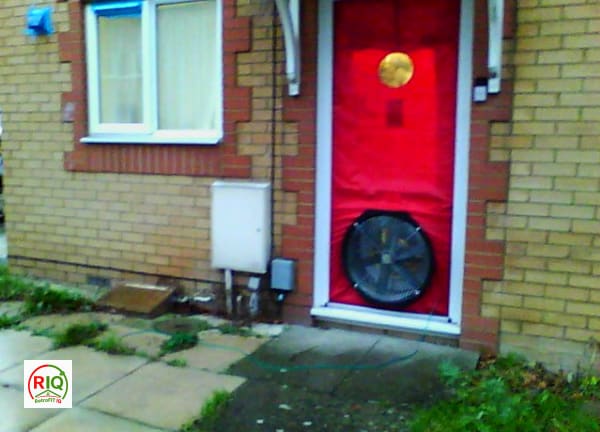
Blower Door Airtightness Test Setup

Acoustic Floor Upgrades: Mineral Wool Insulation Between Joists

Sample Building Performance Investigation Report — Thermal Imaging
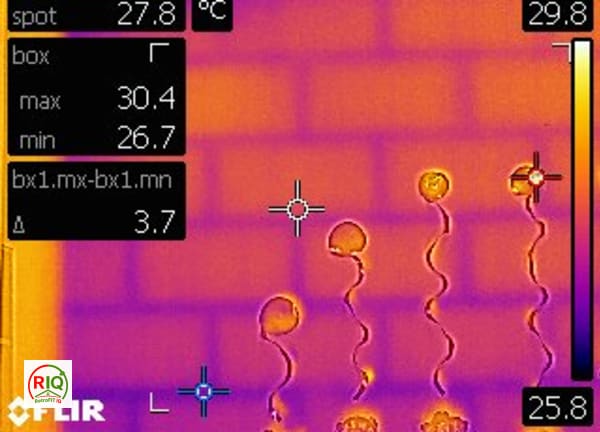
Thermal Bridging Visible Through Masonry Blockwork Wall

Thermal Bridge at Wall-Ceiling Junction Near Window

Thermal Bridge at Internal Corner Wall Junction
No related investigations yet.
Browse all investigationsFrequently asked questions
How do I stop draughts from my floorboards?+
Seal the gaps between the boards and the floor perimeter where the boards meet the walls, since the draught is cold air from the ventilated void below leaking up. Where you can access the void, insulating and sealing from beneath is even better. Throughout, keep the airbricks clear so the void stays ventilated.
Can I just block the airbricks?+
No — the airbricks ventilate the floor void to keep the timbers dry and prevent rot. Blocking them risks serious damp and decay. Seal the leak into the room — the board gaps and perimeter — not the ventilation of the void.
Why are the draughts worse when the heating is on?+
Because warm air rising and escaping higher in the house lowers the pressure at floor level (the stack effect), which draws cold void air up through the board gaps. So the warmer the upper house, the stronger the floor draughts.
What should I fill the gaps with?+
Use a method that copes with the boards' seasonal movement — proprietary sealing strips, thin timber slivers glued in, or a flexible gap filler. Rigid fillers tend to crack and reopen as the boards move.
Is sealing from below better?+
If you can access the void, insulating and air-sealing between the joists from below is more effective and warms the floor as well as stopping the draughts. Otherwise, sealing the gaps and perimeter from above works well — always keeping the airbricks clear.
Stop guessing — find the real cause
Do not spend money fixing symptoms before you understand the cause. Every home behaves differently, and the only reliable way to know what is happening in yours is professional building performance diagnostics. At RetrofitIQ we verify buildings using the right combination of investigations:
- Thermal imaging
- Blower door testing
- Moisture & dew point readings
- Ventilation review
- Building physics assessment
- Passive House methodology