
Do I need a damp-proof membrane?
A damp-proof membrane — a sheet or coating that blocks moisture — is the right answer in some situations and exactly the wrong one in others, so the question is really about diagnosis. Membranes make sense where you must manage water you cannot stop, such as a cellar or a below-ground wall, where a cavity-drain membrane controls and channels it. But applied to an ordinary solid wall suffering condensation or misdiagnosed 'rising damp', a membrane or tanking simply traps moisture in the wall, hides the symptom temporarily, and often pushes the damp elsewhere. Whether you need a membrane depends entirely on what the moisture is and where it comes from — which means measuring before sealing.
 Reviewed by George Sora, Certified Passive House DesignerUpdated June 2026
Quick answer & key takeaways
6 min read- A membrane manages water you can't stop, like below-ground or cellar damp.
- On an ordinary damp wall it often traps moisture and hides the symptom.
- It does nothing for condensation, the most common cause of internal damp.
- Diagnosis of the moisture source must come before any membrane.
- Biggest misconception: a membrane 'cures' damp. It usually just covers it.
- RetrofitIQ's approach: diagnose the source, then use a membrane only where it's the right tool.
What this usually means
Damp-proof membranes have legitimate, valuable uses. Below ground — in a basement, cellar or against a retaining wall — water pressure pushes moisture through the structure and you cannot keep it out at source, so a cavity-drain membrane is the correct solution: it accepts the water, channels it to a drain or sump, and creates a dry internal lining. Under a new concrete floor, a damp-proof membrane stops ground moisture rising into the slab. In these cases the membrane is managing unavoidable water, and it is the right tool.
The trouble comes when membranes or tanking are sold as a cure for damp on ordinary above-ground walls. If the real problem is condensation — humid air on a cold surface — a membrane does nothing about the moisture in the air; it just gives the moisture a new cold surface or pushes the condensation elsewhere, often with mould behind the lining. If the problem is a leak or penetrating damp from a defect, sealing the inside traps the water in the wall rather than fixing the cause. And applying an impervious membrane or cement tanking to a breathable solid wall stops it drying, so moisture accumulates and the damp can worsen above the treated zone.
So the answer depends on the diagnosis. A moisture investigation establishes whether you are dealing with unstoppable below-ground water (where a membrane is right), or with condensation, a leak or penetrating damp (where the cause must be fixed and a membrane would be a mistake). Deciding to install a membrane without that diagnosis is how homeowners end up paying for tanking that hides the problem for a year before it reappears. Measure first; use the membrane only where managing water is genuinely the correct strategy.
Common causes
Below-ground water
Cellars and basements where water can't be stopped need a managing membrane.
Misdiagnosed condensation
A membrane does nothing for condensation and may move it elsewhere.
Untreated leak or penetrating damp
Sealing the inside traps the water instead of fixing the cause.
Breathable walls sealed
Impervious membranes stop a solid wall drying, worsening damp.
Signs and symptoms
Below-ground or cellar damp
A situation where a cavity-drain membrane is the right tool.
Damp returning after tanking
Sign the membrane hid a cause that was never fixed.
Mould behind a lining
Trapped moisture condensing behind an impervious membrane.
Damp spreading above treated zone
Breathable wall sealed below, pushing moisture up.
What most people check first
- Whether the damp is unstoppable below-ground water or something else.
- Whether the cause is actually condensation, a leak or penetrating damp.
- Whether the wall is breathable and would be harmed by sealing.
- Whether fixing the source would remove the need for any membrane.
What most people miss
- That a membrane manages water but doesn't cure most damp.
- That condensation needs ventilation, not a membrane.
- That sealing a breathable wall can make damp worse.
- That diagnosis decides whether a membrane is right or wrong.
The building physics
A membrane is a moisture-management device, not a moisture-removal one: it controls where water goes, it does not address why the water is there. Below ground, where hydrostatic pressure drives water through the structure and there is no practical way to stop it at source, managing it with a cavity-drain membrane and drainage is the correct engineering response. Above ground, the moisture in a damp wall is usually either condensing out of the indoor air onto a cold surface, or entering through a defect — and in both cases the rational fix removes the cause (warm the surface and ventilate; repair the defect), after which there is no water for a membrane to manage.
Applying an impervious membrane or cement tanking to an ordinary or breathable wall interferes with the wall's moisture balance. A breathable solid wall relies on being able to dry by evaporation; seal one face and the moisture has nowhere to go, so it accumulates in the masonry and re-emerges above or around the treated area, frequently with salts and mould behind the lining where humid air still reaches a cold surface. This is why diagnosis must precede the decision: a moisture investigation distinguishes managed-water situations from condensation, leaks and penetrating damp, so a membrane is used where it is the right tool and avoided where it would trap moisture and disguise a problem that needs a genuine cure.
How to decide whether you need a damp-proof membrane
Diagnose the moisture first: use a membrane only where you must manage unstoppable water, and fix the cause where the damp is condensation, a leak or penetrating damp.
- 01
Diagnose the source
Establish whether it's below-ground water, condensation, a leak or penetrating damp.
- 02
Use a membrane for managed water
Apply a cavity-drain membrane below ground where water can't be stopped.
- 03
Fix condensation differently
Warm the surface and ventilate rather than sealing it.
- 04
Repair leaks and defects
Address penetrating damp at source instead of sealing it in.
- 05
Protect breathable walls
Avoid impervious membranes on walls that need to dry.
- 06
Verify the result
Confirm the wall is dry for the right reason, not just covered.
How to prevent it coming back
- Never install a membrane without diagnosing the moisture first.
- Treat condensation with ventilation, not tanking.
- Keep breathable walls able to dry.
- Fix leaks and defects at source.
How Retrofit IQ investigates this
We diagnose the moisture so a membrane is used only where it's the right tool, not as a cover-up.
Do not spend money fixing symptoms before you understand the cause — investigate first, then build with confidence.
Do I need a professional investigation?
Before agreeing to a damp-proof membrane or tanking — especially as a 'cure' for a damp wall — it is worth an independent moisture investigation. It establishes whether you genuinely need to manage unstoppable water, or whether the damp is condensation, a leak or penetrating damp that a membrane would simply hide, so you spend on the right fix.
Diagnose the damp before you treat it
Most damp is mis-diagnosed and mis-treated. An independent moisture investigation finds the true cause — and usually a far cheaper fix than the one being sold.
- Moisture mapping & dew-point readings
- Distinguishes condensation, leaks & penetrating damp
- Independent report — no treatment to sell
Where to go next
Relevant services
Related comparisons
Evidence from Real Projects (16)
Real project and investigation images from our own fieldwork, matched to this page — not stock photography.
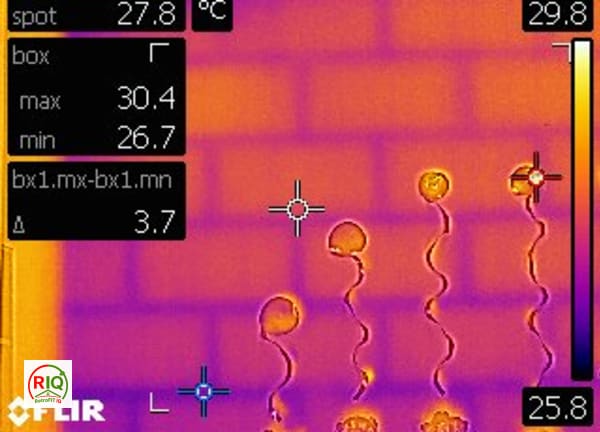
Thermal Bridging Visible Through Masonry Blockwork Wall

Airtightness Testing in a Stratford Victorian Terrace

Sample Building Performance Investigation Report — Thermal Imaging

Thermal Bridge at Internal Corner Wall Junction

Thermal Bridge at Wall-Ceiling Junction Near Window
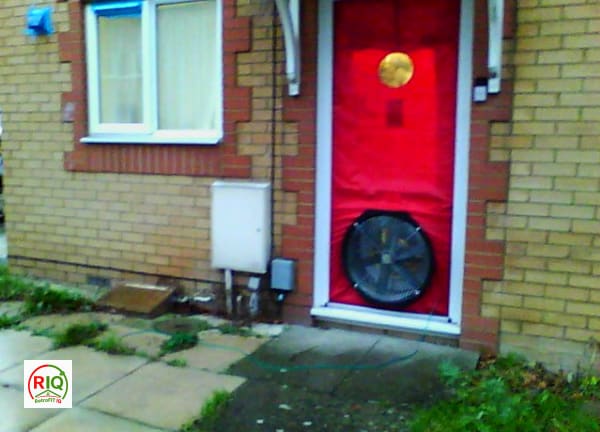
Blower Door Airtightness Test Setup
No related investigations yet.
Browse all investigationsFrequently asked questions
Do I need a damp-proof membrane?+
Only where you must manage water you can't stop — such as a cellar, basement or below-ground wall, where a cavity-drain membrane is the right tool. On an ordinary above-ground wall suffering condensation or misdiagnosed 'rising damp', a membrane usually just traps moisture and hides the symptom. The answer depends entirely on diagnosing the moisture first.
Will a membrane cure my damp wall?+
Usually not. A membrane manages where water goes; it doesn't remove the cause. If the damp is condensation, the membrane does nothing about the humid air; if it's a leak or penetrating damp, sealing the inside traps the water. The damp typically returns, which is why diagnosis must come first.
Is tanking a good idea?+
In a basement managing unavoidable water, yes. On a breathable solid wall above ground, tanking or impervious membranes stop the wall drying, so moisture accumulates and often re-emerges above the treated zone with salts and mould. It's the wrong tool for most above-ground damp.
What about under a floor?+
A damp-proof membrane under a new concrete slab is standard and correct — it stops ground moisture rising into the floor. That's a managed-water use, quite different from coating a damp wall as a 'cure'.
How do I know which applies to me?+
Get an independent moisture investigation. It distinguishes below-ground managed water (where a membrane is right) from condensation, leaks and penetrating damp (where the cause needs fixing), so you only pay for a membrane where it's genuinely the correct solution.
Stop guessing — find the real cause
Do not spend money fixing symptoms before you understand the cause. Every home behaves differently, and the only reliable way to know what is happening in yours is professional building performance diagnostics. At RetrofitIQ we verify buildings using the right combination of investigations:
- Thermal imaging
- Blower door testing
- Moisture & dew point readings
- Ventilation review
- Building physics assessment
- Passive House methodology