
How do I get rid of mould permanently?
Getting rid of mould permanently means removing the conditions it needs to grow, not just cleaning what you can see. Mould needs a surface that is cold and humid enough for moisture to settle on it; cleaning or painting over it treats the symptom, so it returns within weeks or months because the cold, damp surface is still there. The permanent cure is to warm the surface (so it stays above the dew point) and lower the indoor humidity (so moisture isn't deposited) — usually a combination of insulation, heating and ventilation. Clean the mould, yes, but only as the last step after you have removed the cause.
 Reviewed by George Sora, Certified Passive House DesignerUpdated June 2026
Quick answer & key takeaways
6 min read- Mould needs a cold, humid surface — remove that and it can't grow.
- Cleaning or painting over treats the symptom; it returns.
- Warm the surface and lower the humidity to cure it permanently.
- Insulation, heating and ventilation are the real remedies.
- Biggest misconception: mould is a cleaning problem. It's a building-physics one.
- RetrofitIQ's approach: fix the cold, humid surface, then clean as the final step.
What this usually means
Mould grows where a surface stays cold and the air against it is humid, so moisture condenses or the surface humidity stays high enough for spores to germinate. That is why it appears in the same places — cold corners, behind furniture on external walls, around windows, in poorly ventilated bathrooms and bedrooms. Cleaning the mould (with a fungicidal wash) removes the visible growth, but the surface is still cold and the air still humid, so the conditions remain and the mould returns. Anti-mould paints and sprays delay it but don't change the conditions, so they fail too. This is why mould feels impossible to get rid of: people keep treating the symptom.
To get rid of it permanently you remove one or both of its requirements. Warm the surface so it stays above the dew point — by improving insulation, treating thermal bridges, moving furniture off cold walls, and heating cold rooms gently and consistently — and lower the indoor humidity so moisture isn't deposited, by ventilating better (extract fans, trickle vents, or mechanical ventilation) and reducing moisture at source. With the surface warm and the air drier, the surface humidity stays too low for mould, and it cannot grow back. Only then is cleaning the existing mould a permanent fix rather than a temporary one. Thermal imaging finds the cold surfaces and a humidity check confirms the ventilation deficit, so the cause is removed precisely.
Common causes
Cold surfaces
Missing insulation and thermal bridges keep surfaces cold.
High humidity
Poor ventilation leaves moisture to settle on surfaces.
Symptom-only treatment
Cleaning and anti-mould paint don't change the conditions.
Stagnant, unventilated spots
Behind furniture and in corners where air doesn't move.
Signs and symptoms
Mould returning after cleaning
The cold, humid surface was never fixed.
Mould in the same cold spots
Surfaces below the dew point growing it repeatedly.
Mould behind furniture
Cold, unventilated external-wall surfaces.
Worse in humid, cold weather
Peak conditions for mould growth.
What most people check first
- Whether the affected surface is cold from missing insulation.
- Whether indoor humidity is high and ventilation inadequate.
- Whether furniture or stagnant air creates cold, humid spots.
- Whether previous treatments only cleaned the symptom.
What most people miss
- That mould is a building-physics problem, not a cleaning one.
- That anti-mould paint doesn't change the conditions.
- That warming the surface is as important as ventilating.
- That cleaning only lasts once the cause is removed.
The building physics
Mould germination depends on the relative humidity at the surface, which rises as the surface gets colder relative to the room air: a cold surface cools the air against it, raising its local relative humidity towards the level (around 80% and above, sustained) at which mould grows, even without visible condensation. So the two levers are the surface temperature and the room humidity — warm the surface or dry the air, and the surface relative humidity drops below the threshold and mould cannot establish. This is why insulation (warmer surfaces) and ventilation (drier air) are the permanent remedies, while cleaning and coatings, which change neither, are not.
A durable cure therefore targets the surface conditions. Improving insulation and treating thermal bridges raises the surface temperature; consistent gentle heating helps cold rooms; moving furniture off external walls restores air movement; and better ventilation lowers the room humidity and dew point. Thermal imaging identifies the cold surfaces and bridges, and humidity logging quantifies the ventilation deficit, so the intervention is precise. Once the surface relative humidity is reliably below the growth threshold, the existing mould can be cleaned off with a fungicidal treatment and will not return — the difference between a permanent fix and the endless cleaning that treating the symptom produces.
How to get rid of mould for good
Remove the conditions mould needs — warm the cold surface and lower the humidity — then clean the existing growth as the final step so it can't come back.
- 01
Find the cold surfaces
Use thermal imaging to locate cold spots and bridges.
- 02
Warm the surfaces
Improve insulation, treat bridges and heat cold rooms gently.
- 03
Lower the humidity
Ventilate better and reduce moisture at source.
- 04
Restore air movement
Move furniture off cold external walls.
- 05
Clean as the last step
Remove the existing mould with a fungicidal treatment.
- 06
Verify it stays gone
Confirm surfaces are warm, air is drier and mould doesn't return.
How to prevent it coming back
- Keep surfaces warm with insulation and gentle heating.
- Ventilate to keep humidity below mould-growth levels.
- Don't rely on anti-mould paint as a cure.
- Keep furniture off cold external walls.
How Retrofit IQ investigates this
We find the cold, humid conditions feeding mould so it can be removed permanently, not just cleaned.
Do not spend money fixing symptoms before you understand the cause — investigate first, then build with confidence.
Do I need a professional investigation?
If mould keeps coming back however often you clean it, it is worth thermal imaging and a humidity check to find the cold surfaces and ventilation deficit feeding it. Removing those conditions is what makes the cure permanent, so cleaning becomes the final step rather than an endless chore.
Get rid of mould for good
Mould is a building-physics problem, not a cleaning one. We find the cold, humid conditions feeding it so it can be removed permanently.
- Thermal imaging of cold spots & bridges
- Humidity & ventilation assessment
- Permanent cure, not anti-mould paint
Where to go next
Relevant services
Related comparisons
Related case studies
Related problems you may also have
Evidence from Real Projects (17)
Real project and investigation images from our own fieldwork, matched to this page — not stock photography.

Sample Building Performance Investigation Report — Thermal Imaging
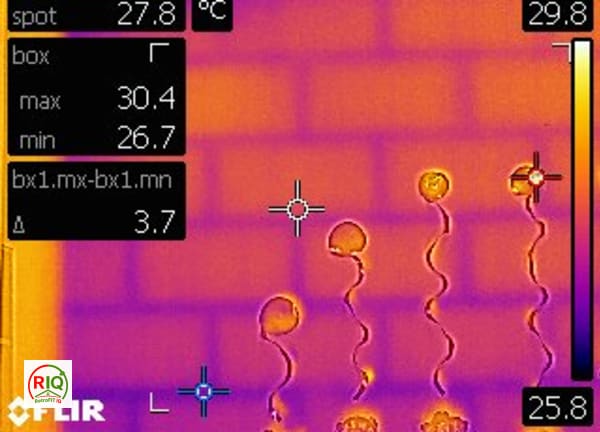
Thermal Bridging Visible Through Masonry Blockwork Wall

Thermal Bridge at Internal Corner Wall Junction

Airtightness Testing in a Stratford Victorian Terrace

Thermal Bridge at Wall-Ceiling Junction Near Window
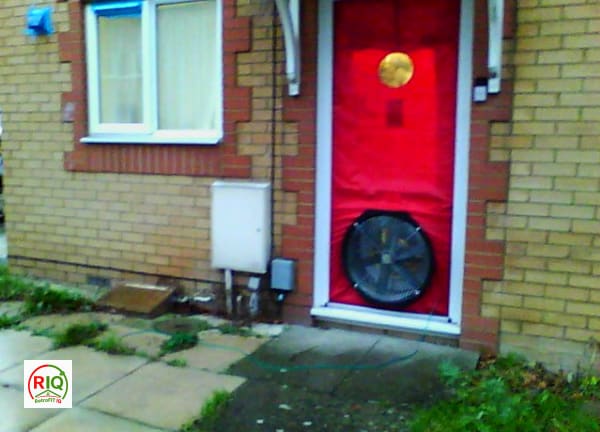
Blower Door Airtightness Test Setup
No related investigations yet.
Browse all investigationsFrequently asked questions
How do I get rid of mould permanently?+
By removing the conditions it needs — a cold, humid surface — not just cleaning what you see. Warm the surface above the dew point with insulation, bridge treatment and gentle heating, and lower the indoor humidity with ventilation. Then clean the existing mould as the final step, and it won't come back.
Why does mould keep coming back after I clean it?+
Because cleaning removes the visible growth but not the cause — the surface is still cold and the air still humid, so the conditions for mould remain and it returns. Until you warm the surface and dry the air, cleaning is only ever temporary.
Does anti-mould paint work?+
Only as a delay. Anti-mould paints and sprays don't change the cold surface or the humid air, so the underlying conditions persist and the mould eventually returns. They treat the symptom, not the building-physics cause.
Is mould a cleaning problem?+
No — it's a building-physics problem. Mould grows where a surface is cold and the air humid, so the cure is warmer surfaces and drier air, achieved with insulation, heating and ventilation. Cleaning only lasts once those conditions are removed.
How do I find the conditions feeding it?+
Thermal imaging shows the cold surfaces and thermal bridges where mould grows, and a humidity check confirms whether ventilation is inadequate. That pinpoints the cause, so warming the surface and ventilating removes it precisely and the cleaning becomes permanent.
Stop guessing — find the real cause
Do not spend money fixing symptoms before you understand the cause. Every home behaves differently, and the only reliable way to know what is happening in yours is professional building performance diagnostics. At RetrofitIQ we verify buildings using the right combination of investigations:
- Thermal imaging
- Blower door testing
- Moisture & dew point readings
- Ventilation review
- Building physics assessment
- Passive House methodology