
The symptoms
- One room (often a rear extension, bedroom over a passage, or north-facing room) that stays cold
- Radiators that feel warm but never heat the space
- Condensation or mould concentrated in that one room
- A noticeable draught or cold floor in that room specifically
The building physics: heat-loss surface and heat supply
A room's temperature is a balance between the heat going in (the radiator or underfloor circuit) and the heat going out (through its external surfaces and air leakage). A single cold room has tipped that balance — either it has more heat-loss surface than its neighbours, or it is being under-supplied with heat, or both.
Rear extensions and rooms above passageways are the classic example: they have extra external walls, floors and roofs exposed to outside, so they lose heat on more sides. A room over a cold passage or an open void loses heat downward; a single-storey flat-roof extension loses heat upward through a roof that is often poorly insulated. More exposed surface means more heat loss for the same radiator.
The likely causes
- More exposed external surface (corner rooms, extensions, rooms over passages)
- A poorly insulated flat-roof or single-storey rear extension
- Localised air leakage — an old chimney, a leaky bay window, an uninsulated party wall
- A heating imbalance: the radiator is undersized, airlocked, or the system is not balanced
Warm radiator, cold room — how that happens
A radiator can feel warm and still fail to heat a room if it is simply too small for that room's heat loss, or if the central-heating system is not balanced so it never gets fully hot. If the room has a high heat loss (lots of exposed surface, draughts), even a correctly working radiator may not keep up. This is why we check both the fabric and the heating before recommending a fix.
Common mistakes homeowners make
- Turning up the whole-house thermostat to heat one room — wasteful and still ineffective
- Adding a bigger radiator without fixing the heat loss feeding the cold
- Assuming it is 'just a cold room' and living with the condensation it causes
How RetrofitIQ investigates a single cold room
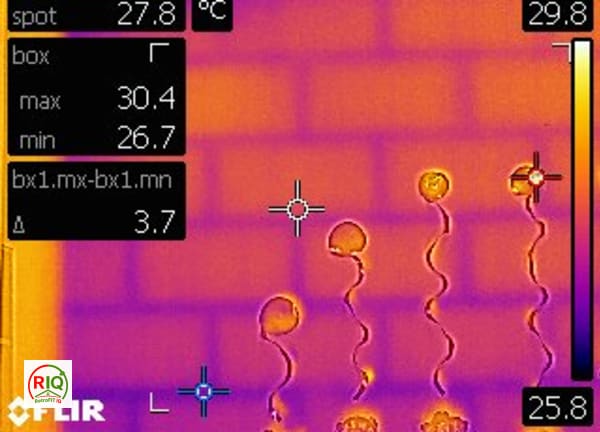
- Thermal imaging of that room's walls, floor, ceiling and junctions versus a warmer room for comparison
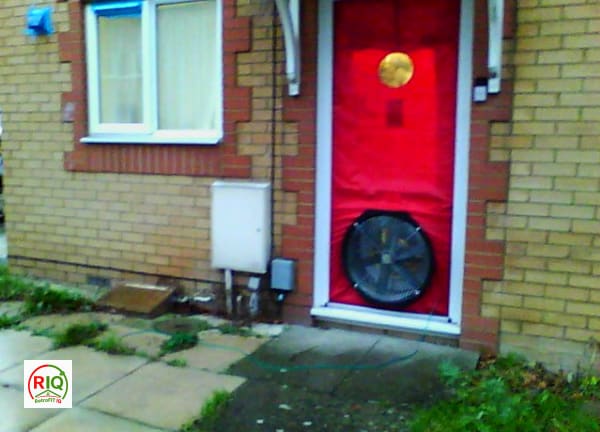
- Blower door testing with smoke tracing to find room-specific air-leakage paths
- Surface-temperature and humidity readings to confirm condensation risk
- A check of the radiator sizing and heat-loss balance for the room
- A focused plan — insulation, air-sealing or heating correction — for that space