
The symptoms
- Black mould on the wall behind wardrobes, beds, sofas or boxes
- Always on external or north-facing walls
- A musty smell from that part of the room
- Damp, sometimes mouldy, backs of furniture
The building physics: cold surface plus stagnant air
Furniture against a cold external wall does two harmful things at once. First, it insulates the wall from the room's warmth, so that patch of wall surface runs even colder than the rest. Second, it stops air moving, so the small amount of air trapped in the gap becomes humid and still. The combination — a colder surface and trapped, moist air — creates a micro-climate that sits below the dew point for long periods, condensing moisture and growing mould.
This is why the mould is sharply confined to the area behind the furniture, and why it appears on external walls but not internal ones: internal walls have warm rooms on both sides and never get cold enough to condense.
The likely causes
- A cold external wall with little or no insulation
- Furniture blocking warmth from reaching the wall surface
- Stagnant air behind the furniture trapping moisture
- High indoor humidity and poor whole-room ventilation
Why moving the furniture out a few inches isn't enough
Leaving an air gap behind furniture helps a little, by letting some warm air circulate. But if the wall itself is cold and the room is humid, the surface can still drop below the dew point and condense. The reliable fix raises the wall's surface temperature (insulation or thermal-bridge correction) and controls the room's humidity through ventilation, so the wall stays above the dew point even behind furniture.
Common mistakes homeowners make
- Cleaning the mould and pushing the furniture straight back
- Treating it as a furniture problem rather than a cold-wall problem
- Sealing the room tighter without improving ventilation
How RetrofitIQ investigates mould behind furniture
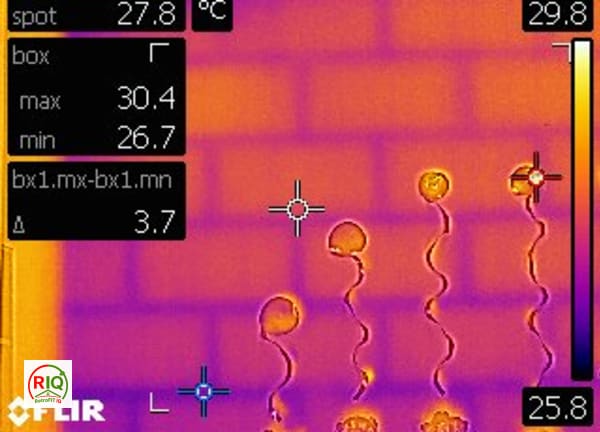
- Thermal imaging of the wall to confirm it is cold enough to condense
- Surface-temperature and humidity logging behind and around the furniture
- Moisture readings to rule out penetrating damp
- A remedy: warm the wall (insulation/thermal-bridge correction) and improve ventilation and air movement
- Practical guidance on furniture placement alongside the fabric fix