
The real reasons heat pumps disappoint
- High fabric heat loss, so the heat pump must run at a high flow temperature and the efficiency collapses
- Oversizing, which causes short-cycling, higher wear and lower seasonal efficiency
- Running at boiler-like high flow temperatures (55–60°C) instead of 35–45°C
- Undersized emitters that force a high flow temperature to keep rooms warm
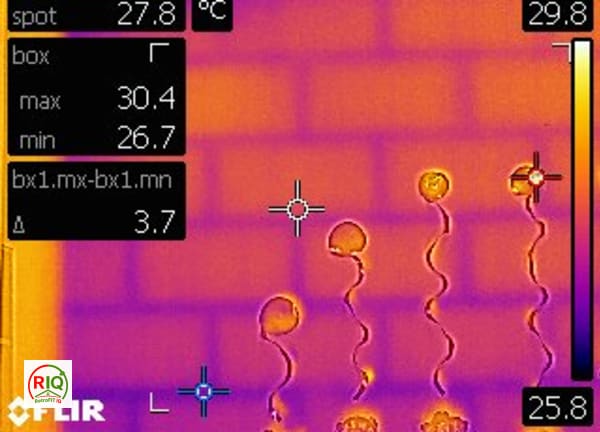
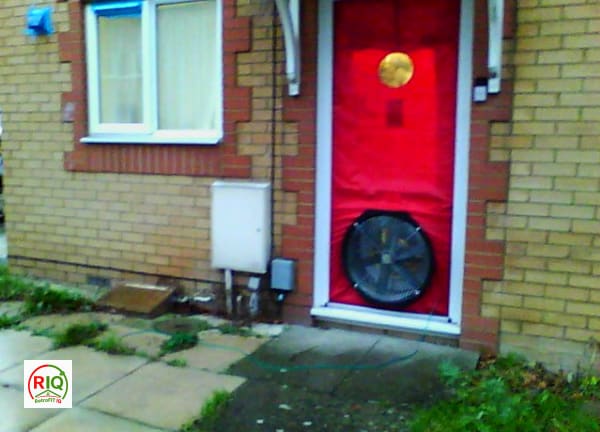
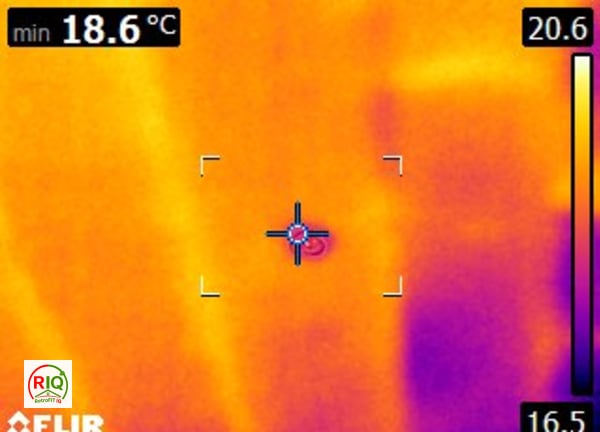
- Air leakage and cold surfaces that undermine comfort regardless of the heating
- Poor system design — no weather compensation, badly set controls, unnecessary buffer tanks
The flow-temperature trap
The most common cause of high running costs is a flow temperature that is too high. Every degree higher than necessary costs efficiency. This happens for two reasons: the emitters are too small to deliver enough heat at a low temperature, or the installer has set a high, 'safe' flow temperature to avoid call-backs. Weather compensation — where the flow temperature is automatically lowered in milder weather — is essential to keeping the average flow temperature low across the season, yet it is sometimes left switched off.
Why short-cycling wastes energy
An oversized heat pump delivers more heat than the house needs at part-load, so it switches on and off repeatedly instead of modulating smoothly. Each start is inefficient and increases wear. A correctly sized unit runs long, gentle cycles at a steady low flow temperature — exactly where heat pumps are most efficient. This is why accurate, measured sizing matters so much.
How to avoid a poorly performing heat pump
- Measure heat loss and improve the fabric first — fabric first, plant last
- Air-seal the home and add controlled ventilation
- Size the heat pump and emitters for low-temperature operation, with no excessive safety margin
- Insist on weather compensation and a low design flow temperature
- Commission the system properly and verify the result with measured data