
Mistake 1: Skipping the fabric
Fitting a heat pump to a leaky, under-insulated home forces it to run at a high flow temperature, which collapses its efficiency. The fabric work is often skipped because it sits outside the heat-pump quote — but it is the single biggest factor in how the system performs. Fabric first, plant last.
Mistake 2: Oversizing the unit
Sizing from floor area, a rule of thumb, or an EPC — then adding a 'safety margin' — produces an oversized heat pump that short-cycles and runs inefficiently. A measured, room-by-room heat-loss calculation prevents this.
Mistake 3: Ignoring airtightness
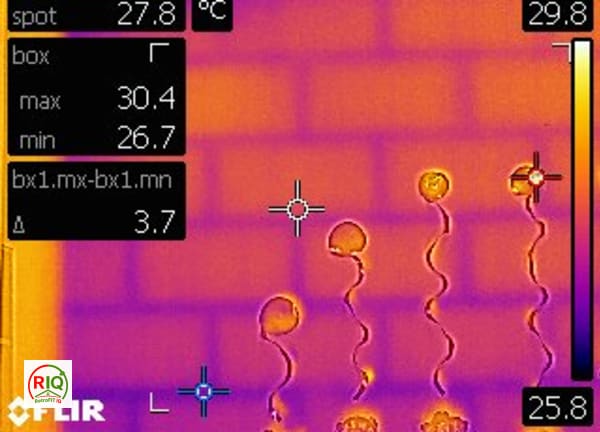
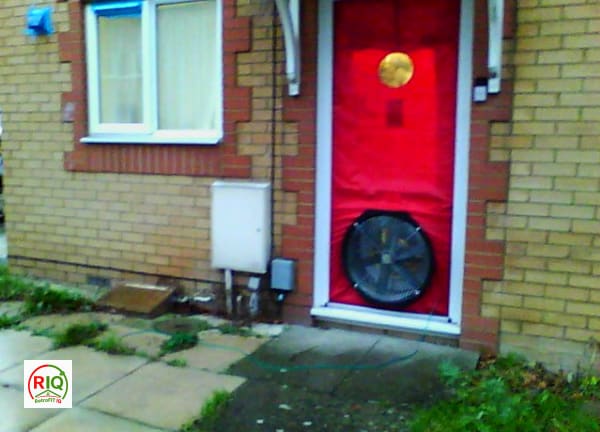
Draughts add directly to the heat demand and chill rooms at floor level. Because air leakage is invisible, it is routinely underestimated and the heat pump is sized to cover losses that could have been cheaply sealed. A blower door test quantifies it.
Mistake 4: Leaving emitters undersized
Existing radiators sized for a 70°C boiler often cannot deliver enough heat at 45°C, so the installer raises the flow temperature to compensate — and the efficiency falls. Checking and upsizing emitters room by room keeps the flow temperature, and the bills, low.
Mistake 5: Tightening without ventilating
Insulating and air-sealing for readiness makes the home tighter. Without a matching ventilation upgrade, indoor humidity rises and condensation and mould follow. Build tight, ventilate right.
Mistake 6: Running it like a boiler
Heat pumps are designed to run long and gentle at a low, weather-compensated flow temperature — not to be switched on and off for short bursts at high temperature. Setting the controls like a boiler is a common cause of poor real-world efficiency.
How RetrofitIQ helps you avoid them
- Measured heat-loss survey to size the system correctly
- Thermal imaging and a blower door test to target fabric and airtightness improvements
- Emitter review for low-temperature operation in every room
- A ventilation strategy matched to the tightened fabric
- An independent readiness report for your installer — and verification afterwards