
What 'heat pump ready' actually means
Heat pumps are most efficient when they supply water to your radiators or underfloor heating at a low flow temperature — typically 35–45°C — rather than the 60–70°C a gas or oil boiler runs at. The reason matters: a heat pump's efficiency (its Coefficient of Performance, or COP) falls as the flow temperature rises, because the unit has to work harder to 'lift' the heat to a higher temperature. Run at 35°C a modern air-source heat pump might deliver a COP of 4 (four units of heat per unit of electricity); run at 55°C the same unit might manage only 2.5–3.
But a low flow temperature only keeps a home warm if two things are true: the building loses heat slowly, and the radiators or underfloor heating are large enough to emit enough heat at that gentle temperature. Readiness is therefore about the building fabric and the emitters — not the heat pump itself. The same heat pump can be brilliant in one home and disappointing in the house next door, purely because of the fabric around it.
The five pillars of readiness
- Low whole-house and room-by-room heat loss, so a small unit at a low flow temperature can keep up
- Insulation in the walls, roof and floor appropriate to the property's construction
- Reasonable airtightness, so the system is not fighting a constant stream of cold draughts
- Emitters (radiators or underfloor) sized for low-temperature output in every room
- Controlled ventilation, so tightening the fabric improves comfort without causing condensation
Why the seasonal efficiency (SCOP) is what counts
Manufacturers quote a Seasonal Coefficient of Performance (SCOP) — the average efficiency across a whole heating season — at a stated flow temperature. The headline figure (often a SCOP of 4 or more) is almost always quoted at 35°C. If your home needs 50–55°C to stay warm because the emitters are small and the fabric is leaky, your real-world SCOP could be closer to 2.5. That difference roughly doubles your running cost. The whole point of a readiness assessment is to make sure your home can achieve the lower flow temperature the high SCOP depends on.
Signs your home may not be ready yet
- Cold rooms, noticeable draughts and high heating bills today — your current heat loss is high
- Solid (single-skin) brick or stone walls, or cavity walls with no/failed insulation
- An under-insulated loft or a cold, uninsulated suspended floor
- Small radiators that only feel hot when the boiler is running at full temperature
- Persistent condensation or mould — a humidity and ventilation issue to resolve as part of the works
None of these rule out a heat pump. They simply mean there is fabric work to do first so the heat pump can perform. Many Victorian and Edwardian homes run heat pumps very successfully — after the fabric and emitters have been brought up to the level low-temperature heating requires.
A worked example
Take a 1900s mid-terrace with solid walls, a part-insulated loft and original suspended floors. A measured survey might show a design heat loss of around 9 kW at a -2°C outdoor design temperature. Insulating the loft properly, adding internal wall insulation to the coldest walls, insulating the floor and air-sealing the worst leaks could cut that to 5–6 kW. That smaller demand allows a smaller, cheaper heat pump, lets the existing radiators run at a lower flow temperature, and lowers the running cost — all from doing the fabric first.
The Boiler Upgrade Scheme and the cost picture
Cost is part of readiness too. In England and Wales the Boiler Upgrade Scheme (BUS) currently offers a £7,500 grant towards an air-source heat pump installed by an MCS-certified installer, subject to eligibility — which substantially narrows the gap between a heat pump and a like-for-like boiler replacement. But the grant pays for the heat pump, not the fabric work that makes it perform. A readiness assessment helps you spend the rest of your budget wisely: it identifies the fabric improvements that will let the grant-funded heat pump run efficiently, so you are not pairing a subsidised unit with an unprepared home. Getting the order right protects the value of both the grant and your own investment.
What happens if your home isn't ready
A 'not ready yet' verdict is not a dead end — it is a plan. The readiness report sets out, in priority order, the fabric and emitter improvements needed to reach an efficient low-temperature heat demand, with the biggest-impact and best-value measures first. Many homeowners stage this over months or years: air-sealing and loft insulation first, then floor and wall measures, then emitters, then the heat pump itself. Every one of those steps cuts running costs and improves comfort immediately, whatever heating you currently have — so the work is rarely wasted even if the heat pump is years away.
Hot water, noise and the practical details
Readiness is mostly about heat loss and emitters, but a few practical matters are worth knowing early. A heat pump heats domestic hot water via a cylinder rather than instantaneously, so you will usually need space for a well-insulated cylinder. Outdoor units make some noise, governed under permitted development by the MCS 020 noise assessment, which affects siting near boundaries and neighbours. And the system performs best with weather compensation enabled, automatically lowering the flow temperature in milder weather to keep the seasonal efficiency high. None of these are obstacles, but flagging them at the readiness stage avoids surprises later.
Myths about heat pumps in older homes
- "Heat pumps don't work in old houses." They do — once the fabric is improved enough to allow a low flow temperature. Many Victorian and 1930s homes run them very successfully after readiness works.
- "You must rip out every radiator." Often not — some radiators work as-is in low-heat-loss rooms, and others simply need upsizing. We check room by room.
- "Heat pumps can't cope with cold weather." They operate well below freezing; the design simply accounts for the coldest expected day (around -2 °C in much of England).
- "They're always more expensive to run." Not in a prepared home running at a low flow temperature with a high seasonal efficiency. High bills almost always trace to a leaky home, an oversized unit, or running it too hot.
How RetrofitIQ assesses heat pump readiness
- A measured, room-by-room heat-loss survey of the fabric — actual construction and U-values, not a desktop estimate from floor area or an EPC
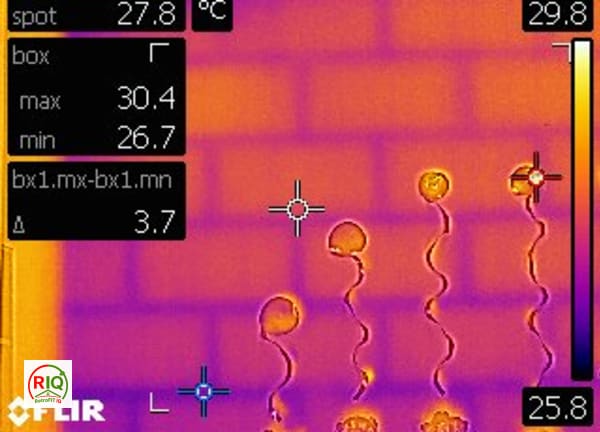
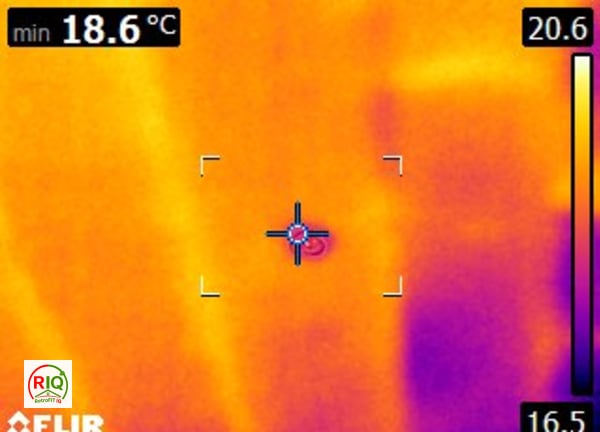
- FLIR thermal imaging to reveal missing insulation, cold bridges and the coldest surfaces
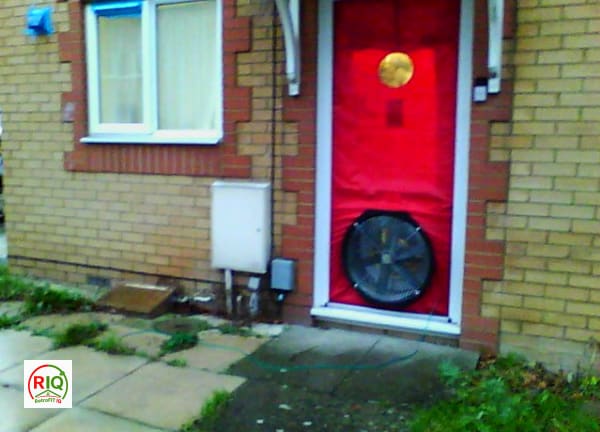
- A blower door test to quantify air leakage (ACH₅₀) and locate every draught path with smoke tracing
- An emitter review, room by room, to see whether your radiators or underfloor heating can deliver the required heat at a low flow temperature
- A fabric-first improvement plan that reduces the heat demand to the level a heat pump needs
- An independent readiness report you can hand straight to your MCS installer or heat-pump designer